
Hawaiʻi Emergency Management Agency History

HIEMA
Hawaiʻi Emergency Management Agency
Hawai‘i’s organized emergency management began in 1951 with the creation of the Civil Defense Agency, later called State Civil Defense (SCD). Under the Hawaiʻi State Government Reorganization Act of 1959, SCD was established as the non-military component of the State of Hawaiʻi Department of Defense on March 18th, 1959, coordinating statewide emergency efforts alongside county civil defense agencies.
During the 1960s, SCD underwent significant professionalization, expanding its staff and developed extensive communications and warning systems — including sirens, teletype networks and the Civ-Alert broadcast system. Hawai‘i became the only state to complete a statewide Community Shelter Plan, providing fallout shelter coverage for over half of the population. SCD refined its operations through responses to droughts, floods, tsunamis and volcanic activity. The SCD expanded health and medical readiness, established seven functional branches and conducted robust public education programs.
In the 1970s, SCD evolved from a primarily nuclear-focused organization to a comprehensive all-hazards emergency management system. SCD served as the principal coordinating authority, integrating county civil defense offices, private-sector partners, federal agencies, the Hawaiʻi National Guard and volunteer organizations. Additionally, SCD enhanced statewide planning, public education and infrastructure, conducting fallout shelter surveys, radiological monitoring, citizen training and emergency communications improvements. Organizational reforms in the late 1970s streamlined operations, strengthened telecommunications and warning systems, and broadened training exercises to cover nuclear and natural disaster scenarios.
During the 1980s, SCD expanded staff, integrated the FEMA-coordinated Integrated Emergency Management System and developed specialized branches for training, operations, telecommunications and administration. Notable events included Hurricane Iwa in 1982, which prompted federal and state disaster assistance. Technological advancements — such as microcomputer-based data management, tsunami detection systems, expanded sirens and emergency broadcast networks — enhanced operational efficiency, interagency coordination and public education.
The 1990s marked SCD’s evolution into a fully mature, comprehensive emergency management agency. High-impact disasters, including Kīlauea lava flows, floods, wildfires and particularly Hurricane Iniki in 1992, tested the agency’s capabilities. SCD managed long-term recovery, administered Hazard Mitigation Grant Program funds, expanded warning systems and strengthened critical facilities. The decade also emphasized regional cooperation, highlighted by the creation of the Pacific Disaster Center.
In the 2000s, SCD integrated natural disaster management with homeland security preparedness, expanding branches for training, telecommunications, disaster assistance, homeland security and recovery. Post-9/11 initiatives emphasized terrorism preparedness, cyber security and critical infrastructure protection. SCD was renamed the Hawai‘i Emergency Management Agency (HIEMA) in 2014. HIEMA coordinated responses to multiple disasters in 2018 such as the Kīlauea eruption, Tropical Storm Lane, heavy flooding on Kauaʻi and also expanded community resilience initiatives, upgraded warning systems, improved sheltering and logistics and implemented statewide planning.
By 2020, HIEMA managed a 70-person staff coordinating statewide emergency management during the COVID-19 pandemic, distributing PPE, testing and vaccine operations. HIEMA played a central role in the response to the 2023 Maui wildfires, providing evacuation support, sheltering, damage assessment, debris removal, temporary housing, and community services. Across recent years, HIEMA has demonstrated an integrated approach to prevention, protection, mitigation, response, and recovery, solidifying Hawai‘i’s capacity to respond effectively to both natural and human-caused disasters while advancing long-term community resilience.
Hawaiʻi Emergency Management Agency Chronological History
The chronological history of the Hawaiʻi Emergency Management Agency is currently a work in progress. We are in the process of organizing and digitizing our collection of books, magazines, newspapers, and photos. As this work progresses, the timeline and different sections will be updated with the relevant information, making it a living document. If you have any questions, comments, corrections, updates or concerns please email us at [email protected].
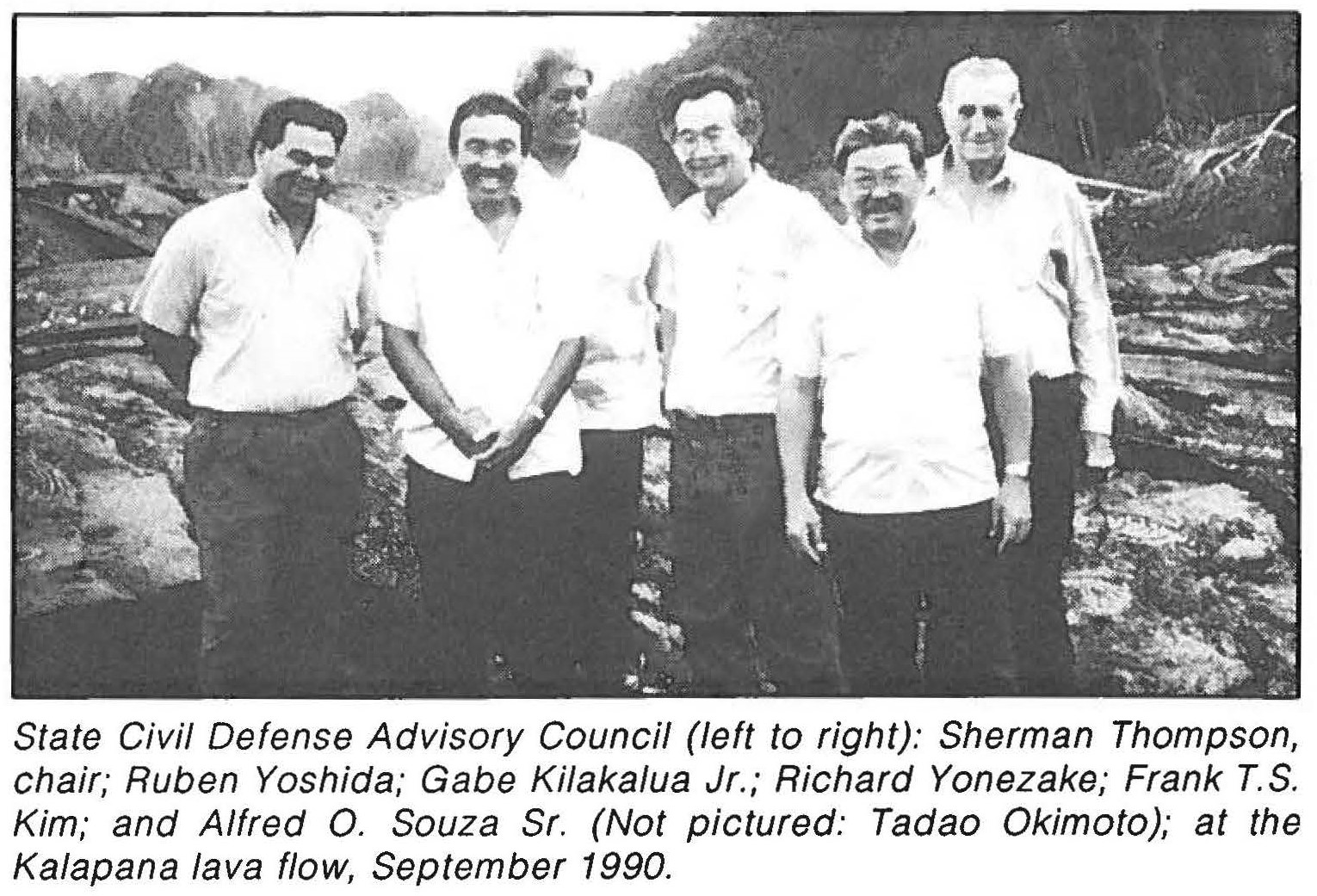
1951 The Civil Defense Advisory Council, established and organized under HRS, Chapters 26 and 128, allows the governor and the director of HIEMA to consult with the seven-member Advisory Council on matters pertaining to civil defense. The Council members are appointed by the governor and serve without compensation, and are constantly working toward strengthening and promoting a vital civil defense system in the State of Hawaiʻi.
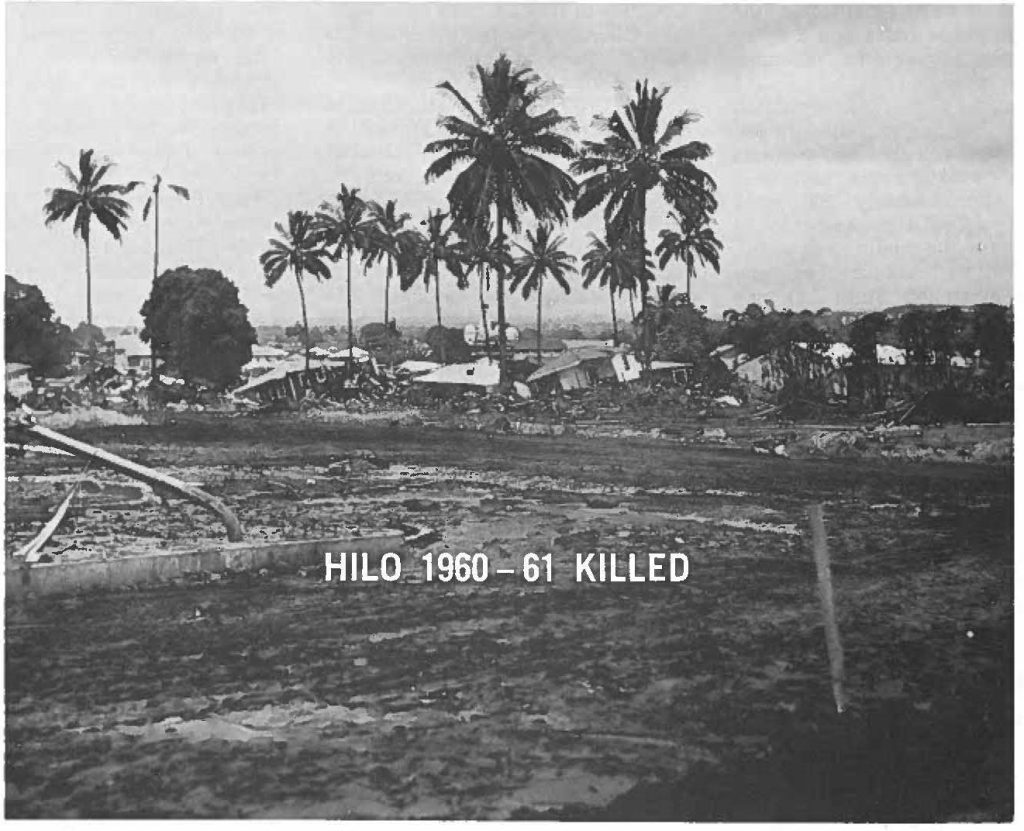
23 MAY 1960 The Tsunami was one of Hawaiʻi’s most destructive natural disasters of the 20th century. Triggered by a massive earthquake off the coast of Chile, the tsunami struck the Hawaiian Islands causing severe damage, particularly in Hilo. The waves killed 61 people in Hilo and caused more than $25 million in damage across several islands.
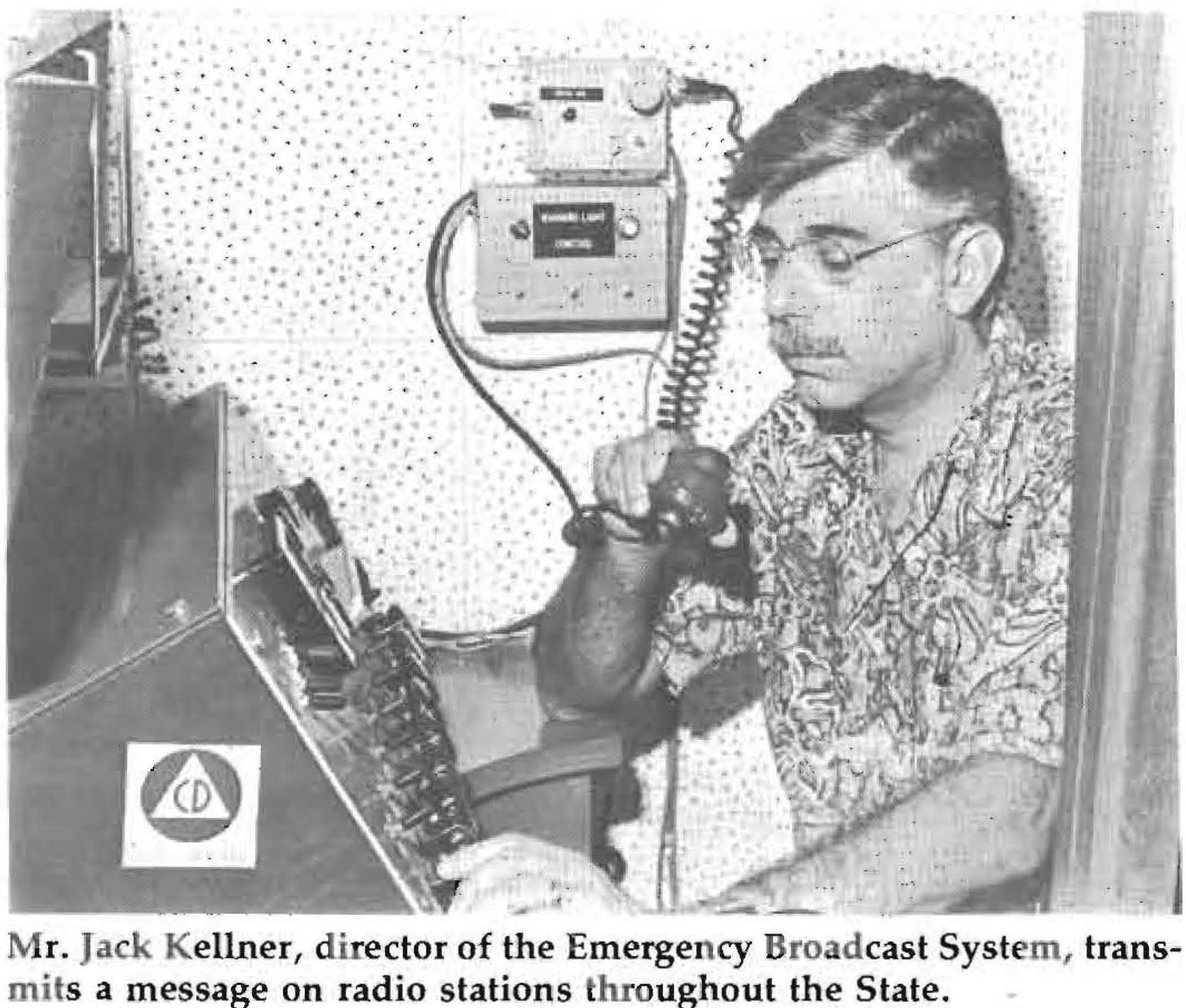
1960 The Civ-Alert radio system a system in which disaster information can be broadcast simultaneously through the commercial radio stations of the State was authorized by a special session of the State Legislature in 1960 after the Hilo tsunami.
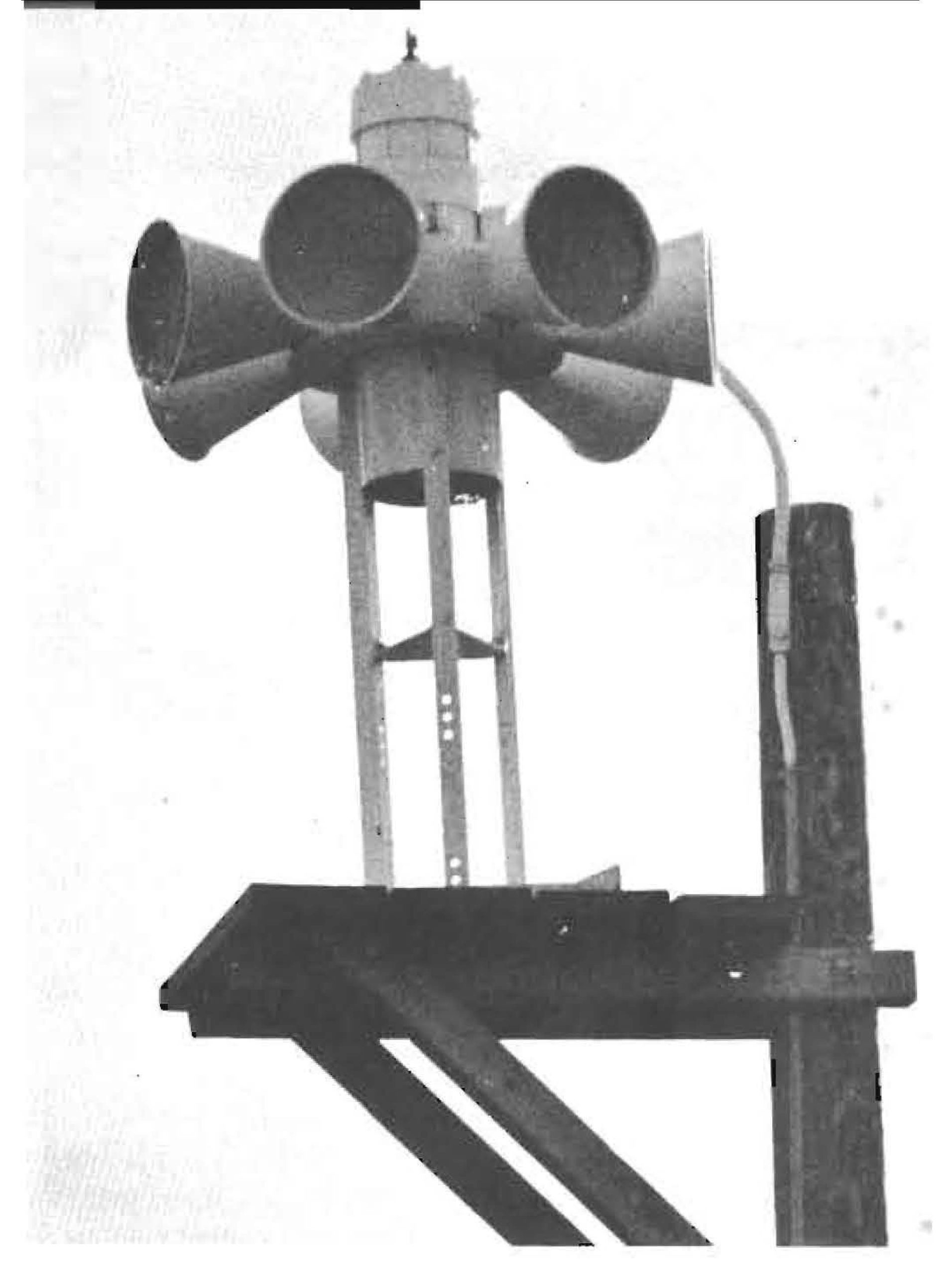
JAN 1962 Civil Defense sirens started the uniform testing of sirens on a State-wide basis
Drought: An unusually rainless summer caused droughts in parts of Maui and Hawaii counties. Some estimates ran as high as a two and a half million dollar loss by the sugar industry and another half a million dollars by cattle ranchers.
Hardest hit were the Waimea-Kamuela and the Hamakua-Kawaihae areas on Hawaii and the Kula district on Maui Water was hauled in tank trucks to farmers ranchers and householders in the stricken areas.
Civil Defense actively supported Hawaii and Maui counties after the Governor declared these areas as major disaster areas on November 19, 1962. Subsequently some $188,000 was allocated from the Governor’s Contingency Fund for drought relief. Of that amount more than $160,000 had been spent or encumbered as of the end of the fiscal year with the likelihood that the entire sum would be spent when all project claims have been processed.
Heavy January rains alleviated the major drought problems and conditions kept improving until the State’s drought support was discontinued by the Governor’s proclamation of April 9, 1963.
– 1963 Annual Report pp. 15
Flood: Rainstorms deluged Windward Oahu and Kauai in mid-April, causing flood damages estimated at more than two million dollars: over half a million to public property and one and a half million to private property.
Proclaiming Oahu and Kauai as disaster areas, Governor John A. Burns turned to the Federal government for financial aid in rehabilitating the flooded districts. Thereupon, a Regional representative of the Office of Emergency Planning came to the Islands to conduct an on-site inspection and upon his recommendation President Kennedy designated the two localities as major disaster areas on April 24, thus clearing the way for Federal assistance in repairing damages to public property.
Project requests totaling some $272,000 for damage repair assistance were submitted by the Oahu and Kauai
– 1963 Annual Report pp. 15-16
counties and State agencies.
Disaster Relief: Thirty-five separate disaster repair work projects from Oahu and Kauai counties and State government agencies for the rainstorm and flood disaster of April 1963 were processed. These projects were for repairing public properly damage only. Damage of private and public property was over a million dollars. Expenditures fro m the Governor’s Contingency Fund for disaster relief amounted to $198,941.89. Requests to the Federal government for reimbursement, as provided by Public Law 875, amounting to $190,230.65 were submitted. This means the State may recover approximately 96 per cent of the funds expended.
– 1964 Annual Report pp. 16
Drought: In September 1965, a drought became so serious in the North and South Kohala and Hamakua District, Island of Hawaii, that water was hauled by tanker by the Hawaii Civil Defense Agency to residences of these areas. In addition, two miles of aluminum pipe provided by the State Civil Defense Division was flown by the Coast Guard to stricken areas, easing a serious condition for ranchers and farmers until the arrival of October rains.
– 1966 Annual Report pp. 15
Kauai Fire: Fire of undetermined origin struck the State forest reserve area in Hanalei, Kauai, in June 1967 and burned approximately 2,500 acres of brush land between the Hanalei River Valley westward to the Waipa Stream.
The Kauai Civil Defense Agency coordinated the evacuation of residents endangered by the spread of the fire. No essential public service was interrupted by the fire and the economy of the affected area suffered negligible damage.
State Civil Defense, in coordination with the Department of Land and Natural Resources, the Soil Conservation Service and the Forest Service of the United States Department of Agriculture developed plans for the restoration of the area
– 1967 Annual Report pp. 15
Oahu Flood Damage: The City and County of Honolulu sustained major flood damage to drainage systems in the Honolulu and Ewa Districts due to excessive rainfall during the period of December 17, 1967, to January 6, 1968. Damages in excess of $625,000 were caused to stream channels in the Pearl City, Hawaii Kai, Nui Valley, Aina Haina and Waialae areas. Private property damage was estimated a t approximately $3,000,000. No lives were lost and only a few minor injunes were reported.
The Governor proclaimed the Honolulu and Ewa Districts as a “Disaster Area” on January 16, 1968. State disaster assistance was provided to perform necessary repairs to essential public facilities.
The Small Business Administration, in consideration of heavy personal property losses, proclaimed the flood areas eligible for business and personal loans for flood damage repaIr.
– 1968 Annual Report pp. 5
Maui Flood Damage: Approximately 17.5 inches of rain fell in the Hana District, Maui, during the 24-hour period starting at noon April 15, 1968, resulting in approximately $23.5,000 damage to roads and bridges. A detailed report of the damage was submitted to the Governor. Subsequently, the Corps of Engineers sent a survey team to the Hana District. Action is continuing in this area.
– 1968 Annual Report pp. 5
Hana Gets Federal Assistance: Up to $227,000 in Federal assistance was authorized for eligible projects in the Hana, Maui, district, during September, following a declaration by the President on September 13, 1968. Subsequently, Ralph D. Burns, Disaster Coordinator of Region 7, Office of Emergency Preparedness, visited the State CD Division and discussed the Federal-State-County Disaster Assistance Agreement. The President made the disaster declaration after studying a report from Governor Burns on the damage done to Hana when approximately 17.5 inches of rain fell there a 24-hour period starting noon of April 15, 1968.
– 1969 Annual Report pp. 18
Kauai Flood Damage: Governor Burns proclaimed a section of the Kuhio Highway at Kapaia, Kauai, damaged by heavy rainfall and flooding November 28-30, 1968, a disaster area on January 20. He authorized the sum of $93,500 from the State Major Disaster Fund for assistance through the State Department of Transportation for repairs and rehabilitation of public facilities in the area.
– 1969 Annual Report pp. 18
Oahu Flood Damage: On February 1, 1969, torrential rains deluged the windward side of Oahu, depositing 18-20 inches of water on the steep eastern slopes of the Koolau Mountains during an eight-hour period. Principally affected were the Keapuka-Kapunahala subdivisions and the Kahaluu Valley area. On the basis of a detailed survey of the disaster area by State Civil Defense and engineers from the State, County and V.S. Army Corps of Engineers, Governor John A. Burns declared the Koolaupoko District of the City and County of Honolulu a disaster area “for the purpose of facilitating the alleviation of suffering and the repair and restoration of public facilities in said area.”
– 1969 Annual Report pp. 18
Hawaii Island Flood Damage: Governor Burns during February 1969, authorized up to $164,864- in financial assistance to the County of Hawaii for repair of Kona area public facilities damaged in a severe rainstorm and resultant flooding October 1968. The Governor had proclaimed the North Kona district a disaster area October 8, thus paving the way for State aid. Estimated damages to public property amounted to $115,000; agricultural, industrial and private home amounted to approximately $500,000.
– 1969 Annual Report pp. 18
Hawaii Island Lava Outbreaks: Several outbreaks of lava flows during August, 1968, only seven miles from Pahoa, on the Big Island, necessitated 24-hour patrols to insure the safety of the 1,700 residents.
– 1969 Annual Report pp. 18
Hawaii Island Drought: On June 23, 1969, Hawaii County Mayor Shunichi Kimura signed a proclamation declaring the Puna district, including but not limited to Glenwood and the residential areas adjacent to the Hawaii Volcanoes National Park, drought areas.
– 1969 Annual Report pp. 18
1-4 DEC 1969 A powerful storm located about 1,500 miles from Hawaiʻi generated massive surf, reaching heights of up to 50 feet, that battered the north and northwest shores of the islands. The most severe impacts occurred on Oʻahu, approximately 500 residents were evacuated from coastal areas stretching from Waianae to Kawela Bay. State and county civil defense agencies implemented operational response plans during the event, demonstrating coordinated evacuation and emergency management capabilities.
Learn more
Heavy Surf: Hawaii’s State and County Civil Defense personnel put many of their operational concepts into practice December 1 to 4, 1969, when a storm at sea, 1,500 miles from the Islands, generated monstrous waves of up to 50 feet in height that struck the north and northwest shores of the State. The heaviest damage occurred on Oahu during the evening of December 1 and the early morning of December 2, with additional giant waves causing more damage on December 4. On December 1 and 2, approximately 500 people were evacuated from the area extending from Waianae to Kawela Bay. One Navy man was killed when he was washed out to sea by a wave. Fifteen were injured by the big surf, which struck previously immune homes and businesses in the area. Total damage to public and private facilities was estimated to be close to $1 million. The other islands of the Hawaiian chain were also struck.
– 1970 Annual Report pp. 17
Documents from the
13 JAN 1970 Near-hurricane-force winds struck the Hawaiian Islands, with Kauaʻi and Oʻahu experiencing the most severe impacts. Wind gusts reached up to 96 miles per hour. Although property damage was significant, no lives were lost and injuries were minimal.
Learn more
High Winds: On January 13, 1970, near-hurricane winds struck the Hawaiian Islands, particularly Kauai and Oahu. Although winds gusted as high as 96 miles per hour during the storm, no lives were lost. There were very few injuries, and damages, though heavy, were kept to a minimum. It is felt that the early warning and instructions issued over radio and television by both State Civil Defense and the United States ESSA Weather Bureau made the citizenry prepare for the impact of the tremendous winds that struck. County Civil Defense agencies throughout the State were alerted and, along with Police, Fire and Public Works Departments, they initiated immediate recovery operations after the high winds hit. Damage was highest on Oahu and totaled $1,507,610; on Kauai it was estimated that $341,460 in destruction occurred; on Hawaii, $58,950; and on Maui, $22,000. The military in Hawaii suffered an additional $4 1/2 million in property damage.
– 1970 Annual Report pp. 17
Hawaii Island Drought: A drought which initially hit the Kau district of Hawaii Island on February 6, 1970, eventually spread to Puna, North Kona and South Kona. Mayor Shunichi Kimura of Hawaii County declared the effected sections drought-disaster areas because of the months of below-normal rainfall. The Hawaii County Civil Defense Agency supplied water for 77 families in Puna, including the Volcano district. The Civil Defense Agency’s tankers also hauled water to the Puna area for more than a month. Mayor Kimura terminated the drought declaration for the Puna District on April 15 and the declarations for Kau and North and South Kona on April 16
– 1970 Annual Report pp. 17
Heavy Rains, November 25-26
State and Oahu County Civil Defense personnel activated their disaster plans November 25-26, when extremely heavy rains caused flood waters 6 to 10 feet deep. The flooding occurred primarily on the windward side of Oahu. Sixteen homes sustained damage to furnishings and personal property. Four other homes received damage to their structures. A church and 11 automobiles were damaged by the resultant flooding. Debris clearance cost the State and the City and County of Honolulu $9,410.
– 1971 Annual Report pp. 19
Heavy Surf, High Winds and Heavy Rains, January 15-16
A fairly severe storm occurred on January 15-16, as high winds, heavy rains and heavy surf lashed the State, primarily Kauai and Oahu. State, Oahu and Kauai CD units activated their staffs and issued emergency instructions to the public through the news media. The City and County 1 of Honolulu’s emergency operating center was activated and civil defense, fire, police and public works officials answered trouble calls. Oahu CD officials estimated that approximately $75,000 worth of damage was done on Oahu.
– 1971 Annual Report pp. 19
Heavy surf caused minor damage at Pokai Bay.
High Winds, Tornadoes and Floods, January 27-28. On January 27-28, a storm climaxed by a tornado in Kailua-Kona on Hawaii Island, swept through the State. Four persons were injured at Kailua-Kona, a post office was severely damaged and many buildings lost their roofs. One The destructive winds cut a swath about 300 feet wide and one-half mile long through the area causing severe damage to 25 business enterprises and two homes. The estimated loss of private property amounted to $1,046,500. Public property damage was $14,500. High winds accompanying the tornado in the County of Hawaii caused an additional $29,000 loss at a macadamia nut farm.
The principal damage in the City and County of Honolulu occurred in Whitmore village from another tornado
which struck just after midnight on January 27. Approximately $92,050 in damage to 21 private homes was recorded.The County of Maui reported wind spread damage from heavy rains and flooding in the Wailuku, Makawao, Hana and Kula Districts. National Guard troops were activated to help evacuate stranded Maui residents. Damage to public property totaled $151,800, and to private property $302,000.
The County of Kauai suffered only minor damage. Small debris deposits on public roads were cleared at a cost of approximately $1,000.
The Small Business Administration declared the storm damaged areas of Oahu, Maui and Hawaii official disaster areas.
– 1971 Annual Report pp. 19
Maui Drought, August-September: Four water pumps were delivered to Maui by the U.S. Air Force and Coast Guard after State Civil Defense arranged for the airlift from California. The pumps brought relief to drought areas on Maui and Molokai. The two major drought areas in Maui County were Kalae, Molokai, and Kula, Maui.
– 1972 Annual Report pp. 19
Heavy Rains, January 22-23: The Oahu County Civil Defense Agency, along with the Honolulu Fire, Police, and Public Works Departments, worked around the clock during the weekend of January 22-23 when heavy rains caused flooding in numerous areas of the Island.
On Kauai Island, CD Administrator, Manuel K. Medeiros, and his staff were kept busy when the Waimea River threatened to flood.
– 1972 Annual Report pp. 19
High Winds, April 10: Winds gusting to more than 50 miles an hour hit the Islands, particularly Oahu, and four families were housed in temporary quarters by the American Red Cross.
– 1972 Annual Report pp. 19
Hawaii Island Drought, March-April: A drought situation in a sizable area of Hawaii County on the slopes of Mauna Loa Mountain led to a drought declaration by Island Mayor Shunichi Kimura.
The drought began in the Puna district and eventually necessitated the hauling of household water by the County Civil Defense Agency to a total of 61 families over a three-week period. The drought ended on April 4.
– 1972 Annual Report pp. 19
Hawaii County Drought: The continuation of a chronic drought situation in the Puna, North and South Kona and Kau areas plagued Hawaii County since early January, 1973. The State Civil Defense staff surveyed these areas to determine the extent of the emergency and applicability of State and Federal assistance programs. The Hawaii County Civil Defense Agency, headed by M. O. Isherwood, Sr., hauled water to over 500 families during the drought crisis, which was officially declared a disaster by Mayor Shunichi Kimura. Toward the end of the fiscal year, there was a slight increase in rainfall in the stricken areas, but the drought was still considered critical as of June 30.
– 1973 Annual Report pp. 18
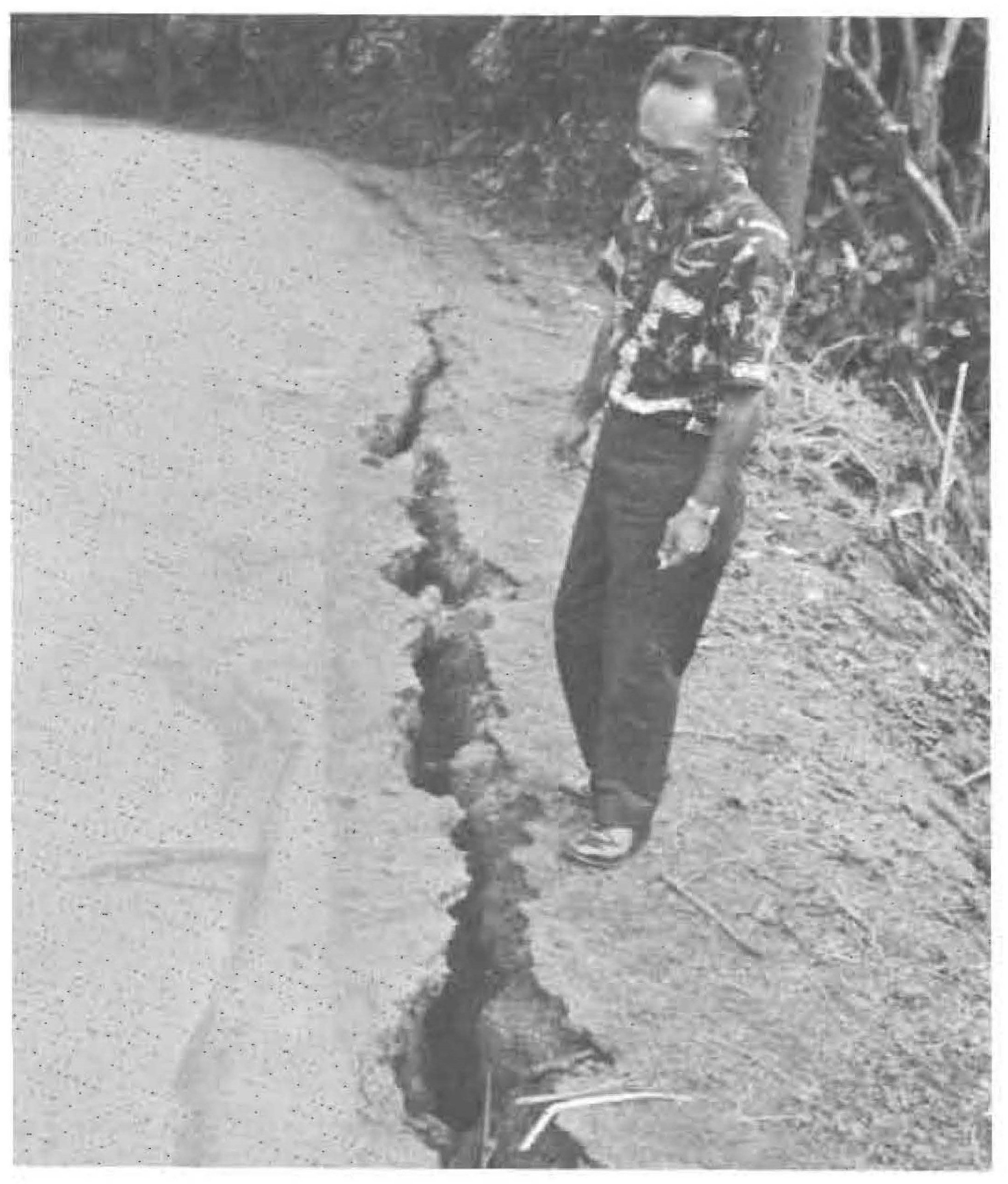
26 APR 1973 A magnitude 6.2 earthquake struck Hawaiʻi County, causing more than $5 million in moderate but widespread damage in the North and South Hilo districts. The Hawaii State Civil Defense coordinated relief operations, assisted the County with damage assessments, and helped establish disaster assistance programs for affected residents.
Learn more
Hawaii County Earthquake: On April 26, an earthquake of 6.2 magnitude on the Richter scale caused widespread moderate damage in excess of $5 million in the north and south Hilo districts of Hawaii County. State Civil Defense coordinated relief and assisted the County in damage surveys and in establishing disaster assistance programs for the victims. The County was declared a major disaster area by Governor Burns and President Nixon. This enabled the County to apply through State CD for disaster assistance funds in the amount of $1,225,000 from the Federal government. The State agencies on the island of Hawaii applied for and were expected to receive approximately $600,000 from the Federal Disaster Assistance Administration (formerly the Federal Office of Emergency Preparedness). These monies came from the President’s disaster relief fund. In addition, Governor Burns authorized the expenditure of $300,000 from the State disaster fund.
– 1973 Annual Report pp. 18
Hawaii and Maui Counties Tropical Storm: During the fiscal year, five tropical storms threatened the Islands. All but one passed the Island chain without significant effect. Tropical Storm Diana came close to the State and a part of it struck Hawaii and Maui Counties. The CD emergency operating centers in those areas were activated to issue warnings and coordinate disaster operations. The storm caused an estimated $75,000 damage to homes and furnishings in the Kapoho area and $2,000 to a swimming pool in nearby Pohoiki. On Maui, the only damage reported was some loss of sand from Hamoa Beach.
– 1973 Annual Report pp. 18
Maui County Drought: The Omaopio, Ulupalakua, Makawao, Pukalani and Kula areas of Maui continued to suffer from a drought that commenced in January, 1972. The cattle ranchers were hardest hit, but domestic water supply authorities were also unable to meet the demand in the drought area and were forced to ration water. State and Maui County CD officials surveyed the drought areas and met with ranchers and farmers to discuss Federal and State assistance programs. Maui County’s CD Agency was prepared to provide an emergency cattle feed if the situation worsened.
– 1973 Annual Report pp. 18
Oahu County Oil Spill: The Oahu County Civil Defense Agency and State Civil Defense coordinated the cleanup of millions of small tar-like oil globules that washed ashore on Oahu’s Windward beaches January 16-17. Some 200 City workers and Military volunteers raked up the globs of oil, which reached ‘1-2 inches in diameter in some areas. It was estimated that 8,000 gallons of oil had been spilled by a ship at sea. The spill was spread over 14 miles of shoreline. It was believed to be the largest single oil spill in Hawaii’s history. After being raked up, the accumulation was hauled away in City trucks. The Marines and Coast Guard provided about 100 volunteers, and the three-day cleanup proved successful.
– 1973 Annual Report pp. 18
Maui County Drought: The island of Maui suffered during July and August what Mayor Elmer F. Cravalho called “the worst drought in 20 years.” Cravalho made the statement after the Maui Department of Water Supply imposed stiff restrictions on the use of water in Kula, Ulupalakua, Pcahi, Makawao and Pukalani.
About 15,000 persons were directly affected by the water shortages. The farming community in and around Kula faced the prospect of losing entire crops of vegetables. John N. Butchart, State vice director of Civil Defense and Robert F. Sorg, resources officer, went to the Valley Isle to meet with County officials about the drought. As emergency measures were being worked out, the fall rainfall commenced and put an end to the drought.
– 1974 Annual Report pp. 27
Oahu County High Surf, January 7: Giant surf, with waves up to 30 feet high, battered the north shore of Oahu, causing considerable damage to several homes and forcing some residents to flee flooded areas. The Oahu County Civil Defense Agency’s emergency operating center in Honolulu was activated to coordinate emergency relief measures. CD and Fire Department officials assisted in the movement of displaced persons, and State CD sent 1,800 Federal-surplus obtained sandbags to those in need. The morning after the waves hit, top State officials toured the damaged areas. Although the damaging surf was confined mostly to the north shores, there were high winds and driving rain throughout most of Oahu and Kauai Islands. On Oahu, several houses in the community of Haleiwa were flooded.
– 1974 Annual Report pp. 27
Oahu and Hawaii Counties Heavy Surf, March 23-24: Despite very stern warnings from the National Weather Service, five people were killed on Oahu when surf generated waves up to 35 feet high struck the islands of Hawaii. The heavy surf was caused by a raging storm far out at sea.
The Oahu County Civil Defense Agency and other County CD units were alerted, and State Civil Defense was on standby in the event the local governments needed assistance. Oahu CD activated its emergency operating center and sent men into the field to assist Fire and Police Department officials in the evacuation of those living in beach homes.
Four shelters were opened by CD officials with the assistance of the American Red Cross. On Hawaii Island, no one was killed. hut there was considerable damage to the fishing village of Milolii, as well as to several hotels and a stretch or road in the Kona area. John Butchart, State vice director of Civil Defense, sent Robert F. Sorg, resources officer to help Big Island personnel assess the damage and see if any aid was necessary.
– 1974 Annual Report pp. 27
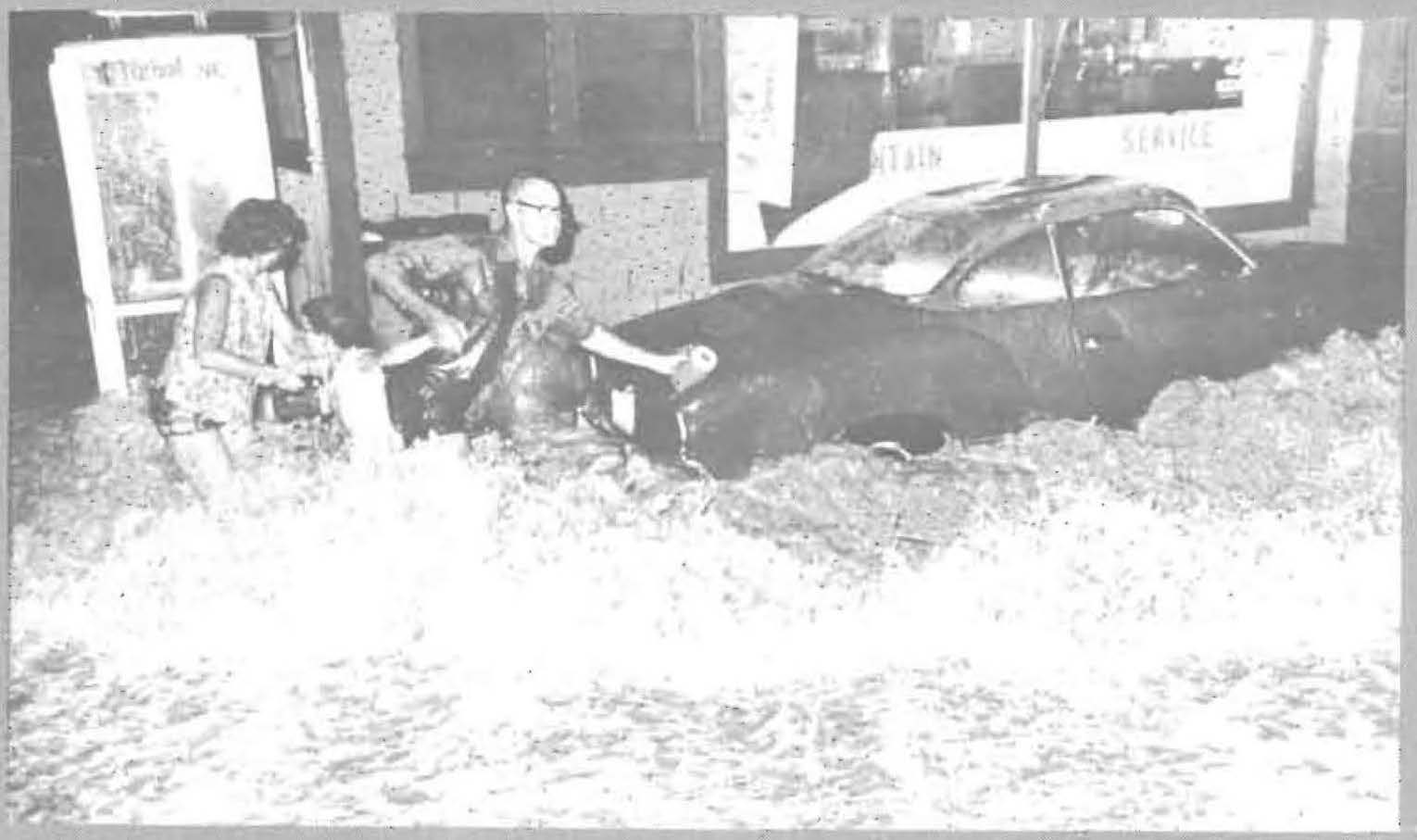
19 APR 1974 Parts of Oahu and Kauai that were stricken by flash floods where five people were killed on Oahu and Kauai Islands and $3,271,230 in damage was caused by the torrential rains. Disaster assistance centers were set up for over 160 victims of the floods.
Learn more
Oahu and Kauai Counties Flash Floods: President Nixon and Acting Governor George R. Ariyoshi both declared parts of Oahu and Kauai that were stricken by flash floods on April 19 as major disaster areas. Their actions, recommended by Maj. Gen. Valentine A. Siefermann, State director of Civil Defense, paved the way for special assistance to over 160 victims of the floods. The day after the President declared the disaster, officials from the Federal Disaster Assistance Administration began arriving in Honolulu to set up assistance centers in conjunction with State personnel.
Five people were killed on Oahu and Kauai Islands and $3,271,230 in damage was caused by the torrential rains. Robert C. Stevens, Region Nine director of the Federal Disaster Assistance Administration (FDAA), signed a joint Federal-State disaster assistance agreement with Acting Governor Ariyoshi. Disaster assistance centers were set up at the old Haleiwa Gymnasium on the north shore of Oahu; the Hanalei District Court Building on Kauai; the Hawaii Employers Council Building in Honolulu; and the U.S. Small Business Administration office,also in Honolulu. Farmers were eligible to apply for assistance at the Farmers Home Administration office in Honolulu.
– 1974 Annual Report pp. 27
Oahu County Flash Flood, July 17 Oahu County and State Civil Defense personnel rushed into action on Wednesday, July 17, when heavy rains and flash floods hit several parts of the island-drowning one person and damaging at least eleven homes and campsites , as well as submerging numerous automobiles. The National Weather Service issued a flash flood warning for certain parts of Oahu at 9:30 a.m.; it was followed by a supplementary warning to radio stations by State Civil Defense at 10 a.m. The rainstorm rolled across Oahu during the morn ing and early afternoon. A 15-year-old boy, who slipped and fell into the rain-swollen Nuuanu Stream, died. Due to the heavy rains, the current was rapid and deep and those accompanying the boy were unable to rescue him. His body was later found downstream by a Fire Department SCUBA diver.
– 1975 Annual Report pp. 23
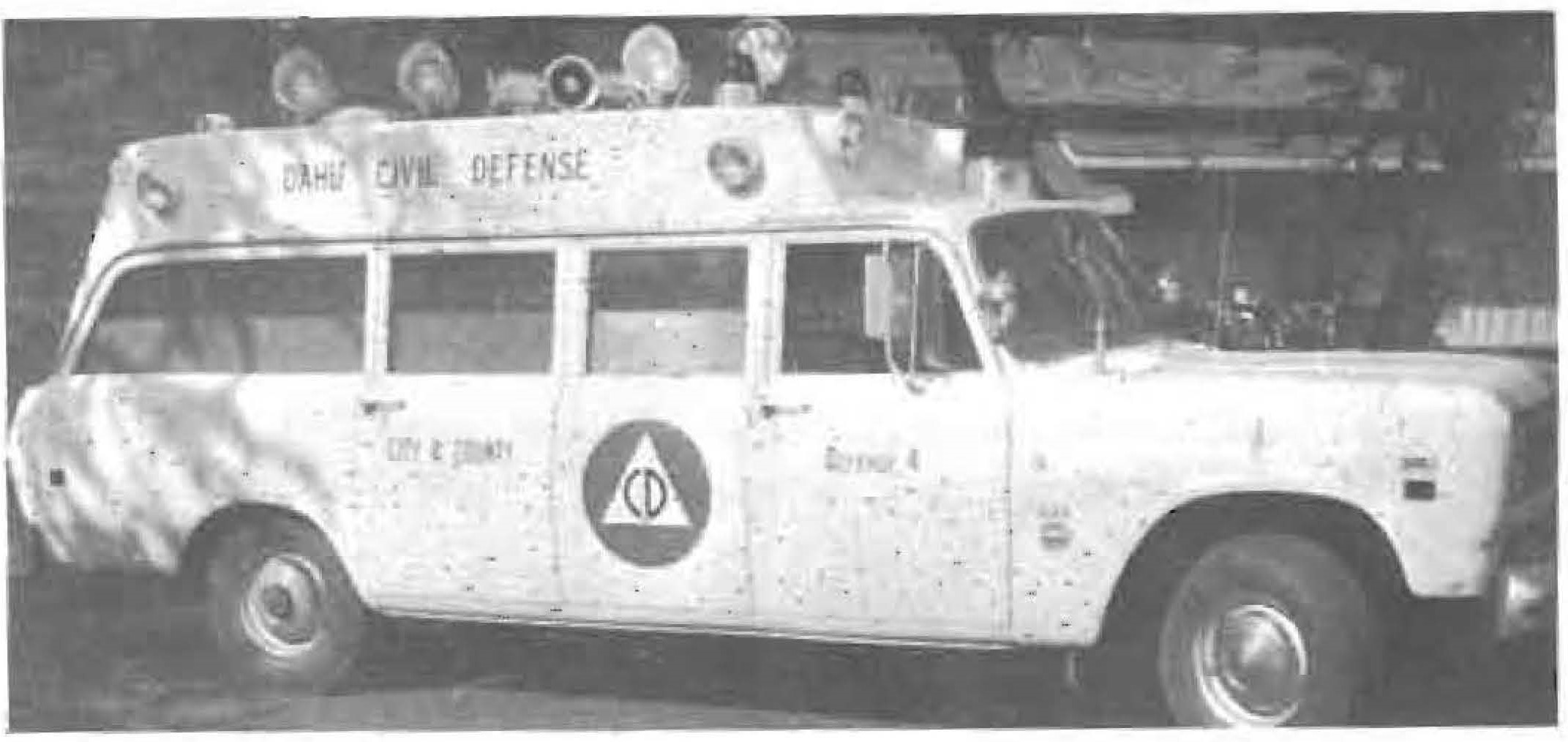
1975 The State Civil Defense acquired a Dodge four-wheel-drive “Power Wagon” emergency communications truck to enhance on-scene command, control, coordination and mutual aid communications during disasters. The truck was equipped with multiple two-way radios capable of linking with federal, state, and county communication systems, with channels adaptable to changing operational needs.
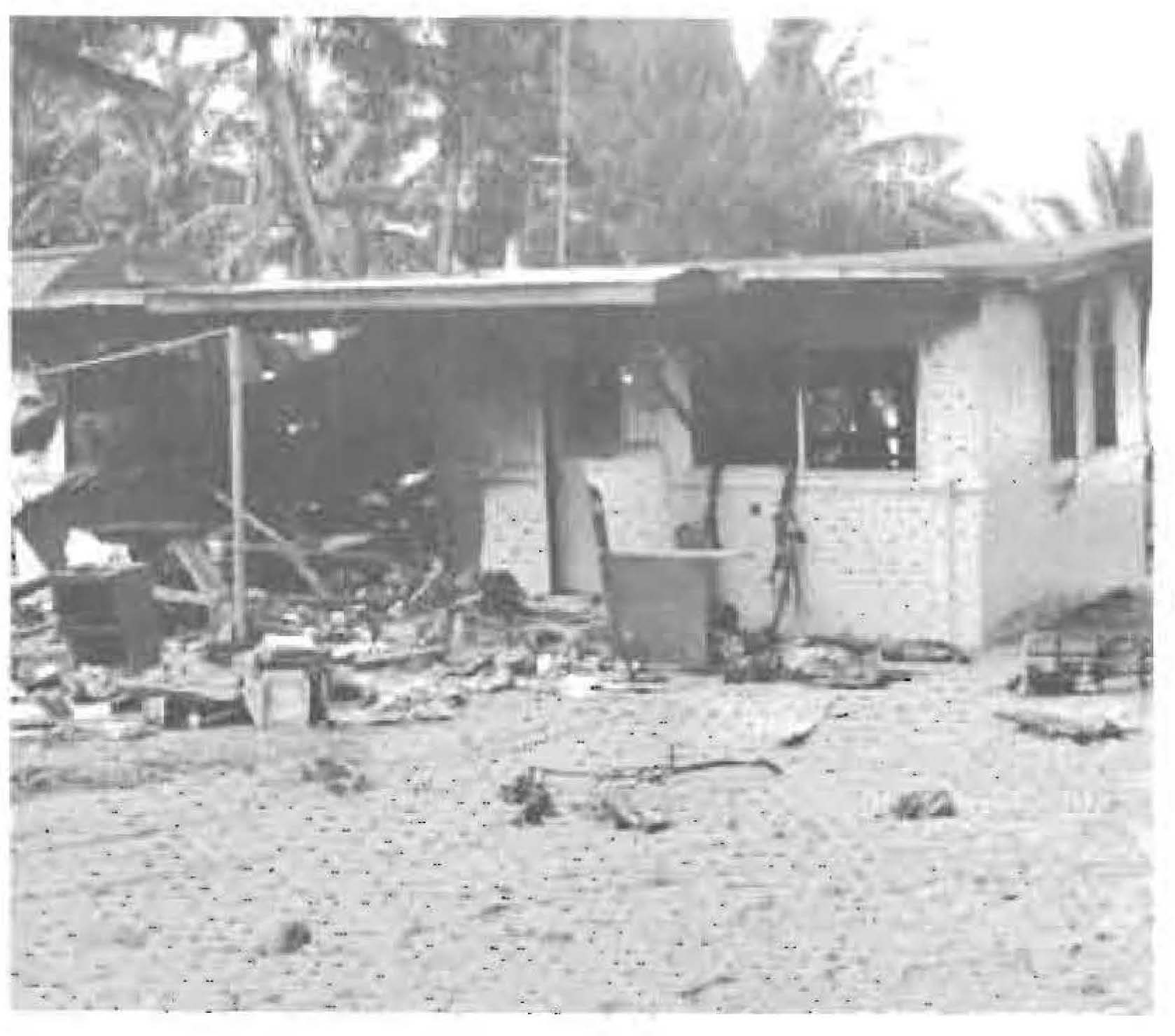
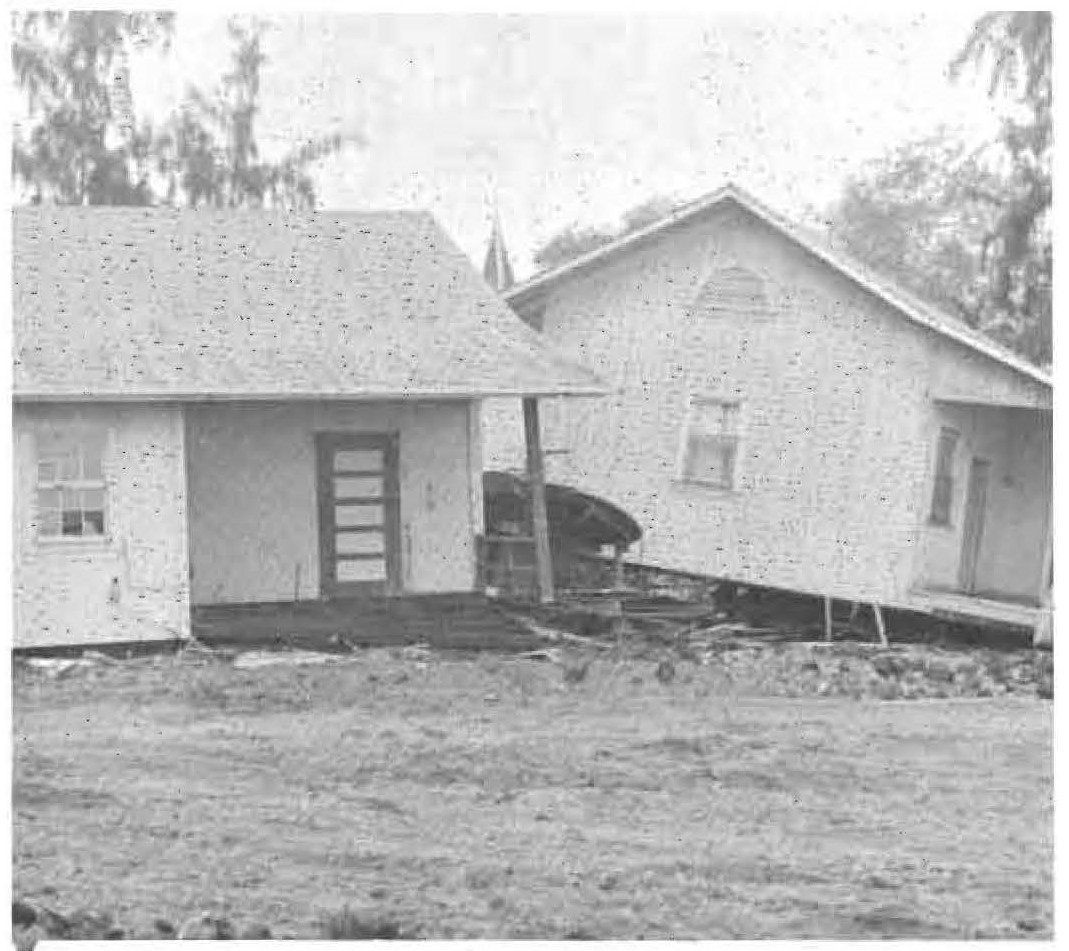
29 NOV 1975 An earthquake and locally generated tsunami with Kilauea Volcano erupting happened at the same time. Two people were killed and approximately $4.1 million in property damage occurred. A Federal-State one-stop disaster assistance center was set up.
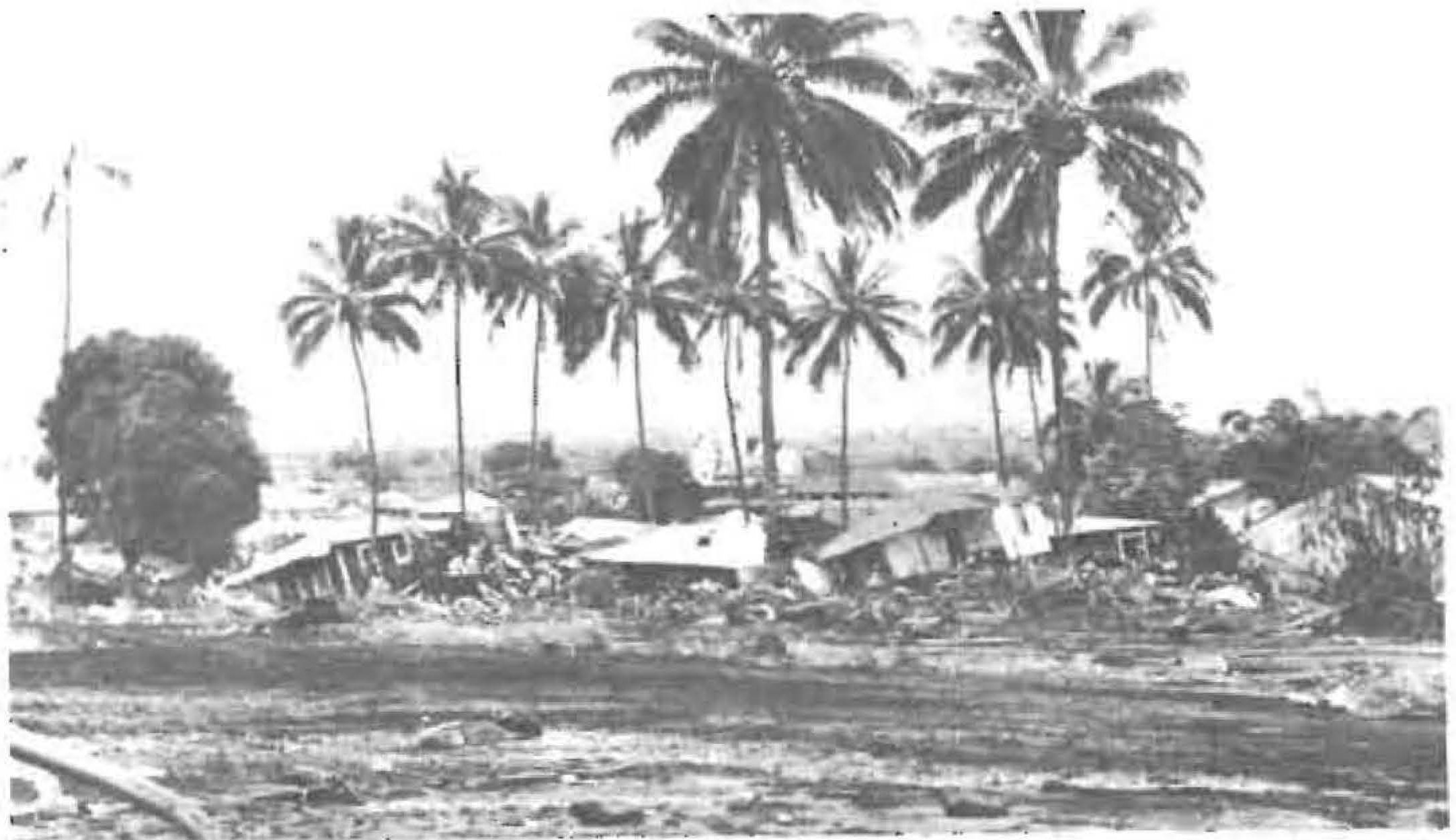
One small private irrigation reservoir of 1.5 million gallons in the Makaha Valley area threatened to rupture and was pumped into an adjacent reservoir to minimize danger.
City and County of Honolulu and State agencies were mobilized for rescue, evacuation, debris clearance, and other emergency functions. National Guard personnel and equipment were mobilized for emergency rescue and evacuation in stricken areas.
Gov. Ariyoshi waived required administrative processes for public works projects to effect immediate repair of a damaged bridge. The American Red Cross assisted disaster victims.
– 1976 Annual Report pp. 22
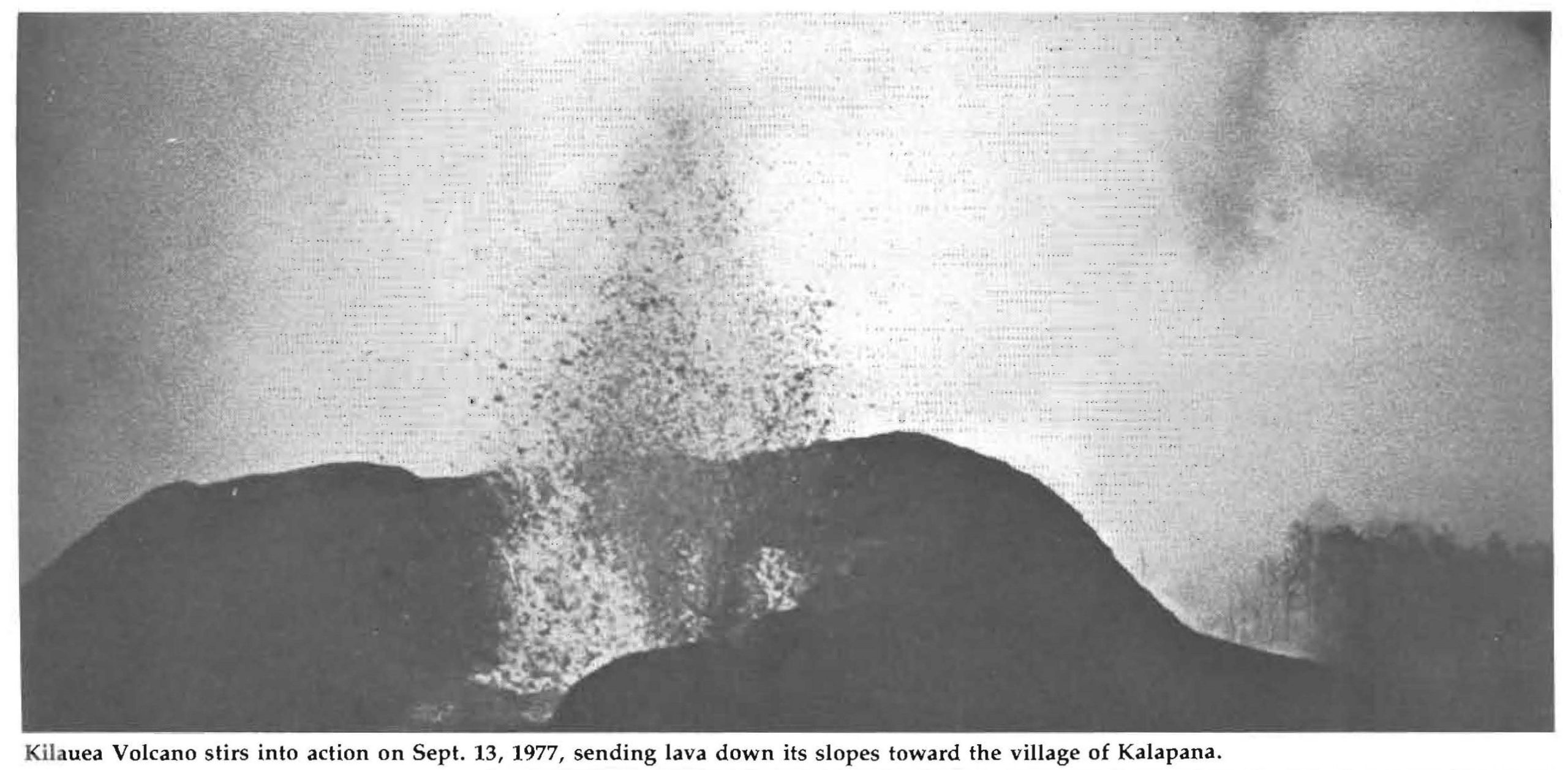
12 SEP 1977 Kilauea Volcano erupted along its east rift zone and lava that traveled within a quarter-of-a-mile of the village of Kalapana. Civil Defense, with the assistance of the Hawaii National Guard, evacuated residents from the area.
1977–1978 A prolonged below-normal rainfall created severe drought conditions across Hawaiʻi, particularly affecting North and South Kohala, North and South Kona, and Kaʻū on the Island of Hawaiʻi, as well as Maui County. By the end of 1977, the drought had reached disaster magnitude, devastating pasturelands and causing significant agricultural losses. State Civil Defense coordinated both state and federal relief programs. Despite the eventual return of rainfall, farmers and ranchers faced a lengthy recovery.
Learn more
Droughts
State Civil Defense maintained close surveillance of the drought conditions that affected the counties of Hawaii and Maui. Early in the year, Governor Ariyoshi proclaimed major portions of these drought-stricken counties to be disaster areas.
State assistance, such as tax relief and low interest loans, was provided to farmers and ranchers who had sustained drought-related losses. Low-cost emergency cattle feed was also made available to the ranchers through Federal relief programs. As a result of the State’s request for Federal financial aid, direct assistance to farmers and ranchers totaled more than $1 million. State Civil Defense, assisted by the State Department of Agriculture, coordinated the State and Federal disaster assistance programs.
– 1978 Annual Report pp. 5
Islanders face drought hardships
by Dennis Fujii
Associate Editorlate and barren hillside community. The local residents gather together in anguish, remembering the “good old days.” In those days past, where cattle and foliage once thrived, today dying animals and range fires remain.
A drought spell can paint a bleak picture colored by human hardship and suffering.
In the State of Hawaii, a drought condition has been prevailing due to the well below-normal rainfall during the past two years.
The areas most severely affected by the drought are North and South Kohala, North and South Kona, the Ka’u districts on the Big Island and the County of Maui.
The State Department of Agriculture, the Governor’s Agriculture Coordinating Committee and State Civil Defense keep a constant watch, monitoring conditions of the land and the drought’s effects on local residents.
By the end of 1977, the drought had reached disaster magnitude. Pastureland in the drought-stricken areas were severely damaged. Since July 1977, more than 400 head of cattle have died as a direct result of the drought. Sugarcane, coffee, papaya, macadamia nuts and avocados also suffered varying degrees of damage.
Representatives from State Civil Defense discussed with farmers and cattlemen the hardships many of them were facing. It was learned that the cattlemen were being forced to reduce their herd size through premature marketing in efforts to reduce operating expenses. The cattle were also being marketed lighter than their usual weight.
Estimates of drought damages to agriculture in Hawaii, Maui and Kauai countries
exceeded $6 million. Gov. George R. Ariyoshi, at the recommendation of State Civil Defense, issued a proclamation declaring North and South Kohala, North and South Kona, the Ka’u districts on the Big Island and the County of Maui disaster areas due to the drought.The proclamation authorized farmers and cattlemen in the designated areas to obtain State assistance for disaster-related losses through a tax relief program provided for by Chapter 234 of the Hawaii Revised Statutes.
This law provides for tax relief for general excise, real property and income taxes.
In addition to issuing the proclamation, Gov. Ariyoshi also wrote to Secretary of Agriculture, Bob Bergland, and to A. Vernon Weaver, administrator of the Small Business Administration. He requested that the Counties of Hawaii, Maui and Kauai be declared disaster areas because of the drought.
In his letters, Gov. Ariyoshi outlined the effects of the prolonged drought on Hawaii’s agricultural economy. He requested Federal assistance in the form of subsidies and disaster loan assistance.
Even as the gentle tradewinds and rainfall return, Hawaii’s local farmers and cattlemen will be faced with the task of rehabilitating their drought-damaged lands for the next two to five years
– 1978 June Pūpūkahi pp. 8
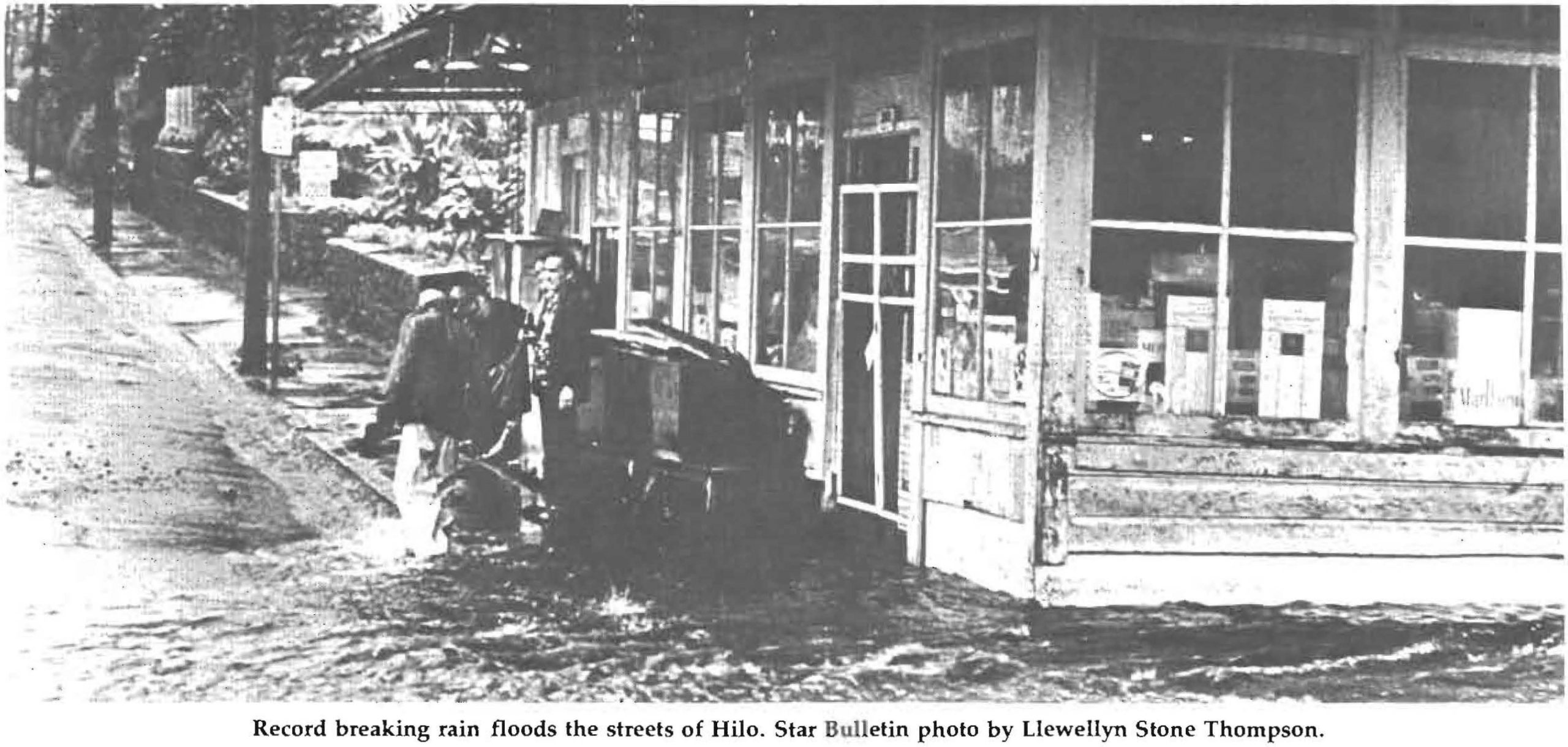
15-26 FEB 1979 Big Island sustained record breaking rainfall that caused flooding in many ares. The State Civil Defense opened a “one-stop” disaster assistance center in Hilo to assist citizens who suffered flood-related losses, directed and coordinated the preparation of detailed public damage survey reports and applications for federal financial assistance.
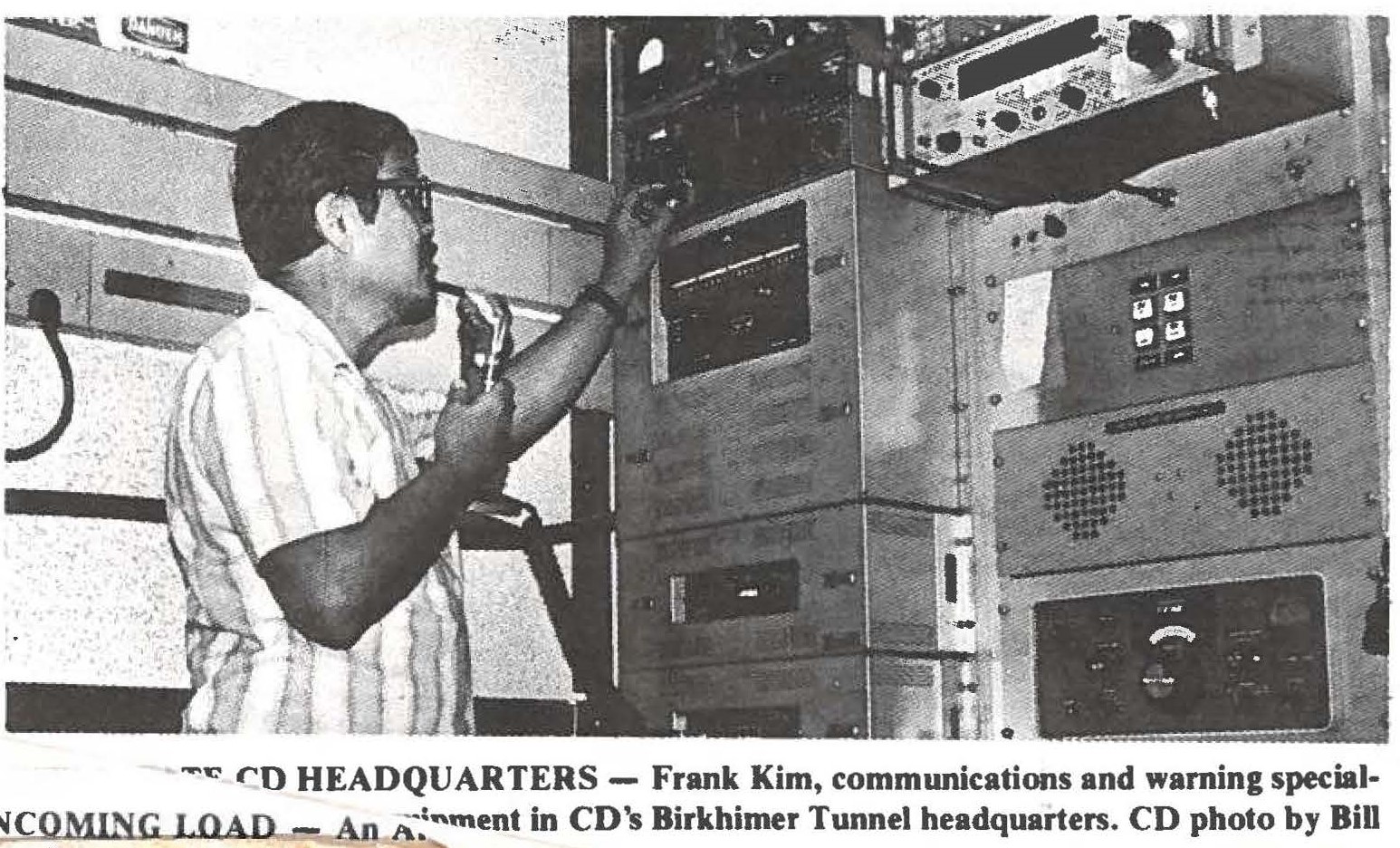
SEP 1979 After a decade of planning, State Civil Defense relocated its daily operations in to the Emergency Operating Center (EOC) in Birkhimer Tunnel. The EOC was intended to strengthen statewide readiness by centralizing operations, eliminating duplicate communications systems and consolidating records.
Learn more
State CD moves into Birkhimer
by Bill Roome
CD, Information SpecialistThe big move for State Civil Defense is finally going to become a reality. After ten years of planning, obtaining funds and keeping fingers crossed, State Civil Defense will move its day-to-day operations into the Emergency Operating Center (EOC), located in Birkhimer Tunnel, during September
The idea of moving State Civil Defense headquarters was first introduced in 1969, during the reign of then Director of Civil Defense, Maj. Gen. Benjamin J. Webster. It was felt that utilizing the EOC by State Civil Defense on a daily basis would enhance the State’s readiness posture and eliminate the requirements for dual communication facilities as well as the duplication of files and records. But serious thought was not given to the project until Maj. Gen. Valentine A. Siefermann became the director in 1973.
Problems encountered
Problems can not be avoided when transforming an idea into reality and this project was no exception. Beginning in 1974 the first obstacle was encountered. The State Department of Defense’s Engineering Branch had a backlog of projects and was not able to begin preparing the renovation plans until 1975.
Once the plans were finalized, the next step to be tackled was getting the plans approved by the state and federal government. Then came another delay; the federal government’s portion of the funds needed for the phase I renovation of the tunnel. (Total cost for Phase I renovations totaled $178,000 with the Federal government responsible for paying half the cost).
Phase 1 completed
Today, Phase I is near completion and will include rewiring of the complex, modification of the telephone systems, installation of a command and control facility and relocation of the Emergency Broadcast System Studio (presently located in Battery Harlow in Diamond Head Crater) to the EOC.
Phase II of the EOC renovation will hopefully begin in 1981 and will include modernizing the office space for the Emergency Resources Management Agency (executives from the public and private sector responsible for conserving Hawaii’s resources during times of major disasters), revamping the office spaces for military support, emergency welfare, the finance director, comptroller, Health and Medical, Department of Education, Red Cross and Civil Air Patrol. Also scheduled for Phase II is modernizing the bathroom plumbing, the dispensary, kitchen and constructing sleeping quarters.
– 1979 September Pūpūkahi pp. 1
Documents from the
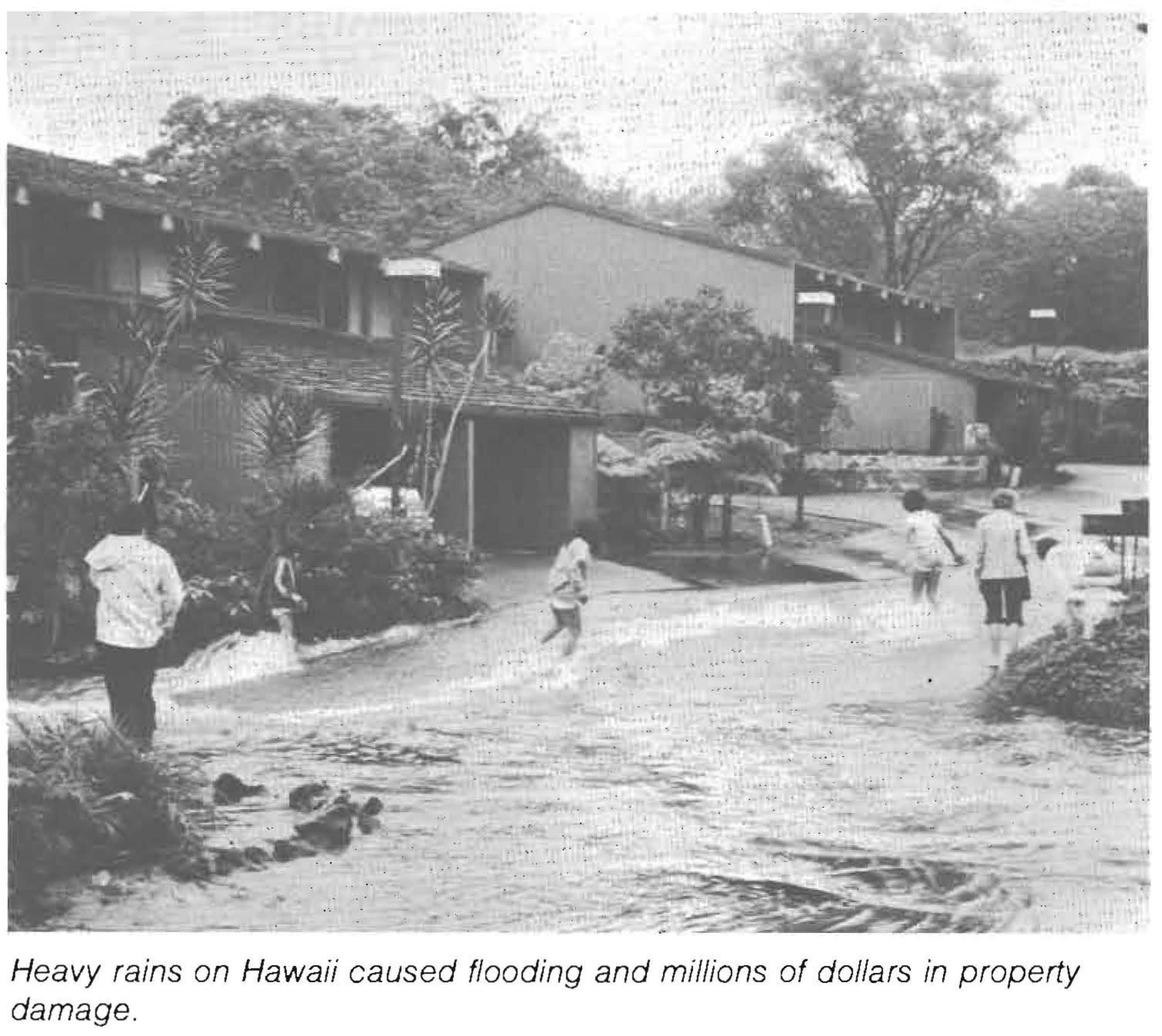
JAN 1980 High winds, high surf, and heavy rains battered Big Island and Maui resulting in $30-35 million in damages to public and private property
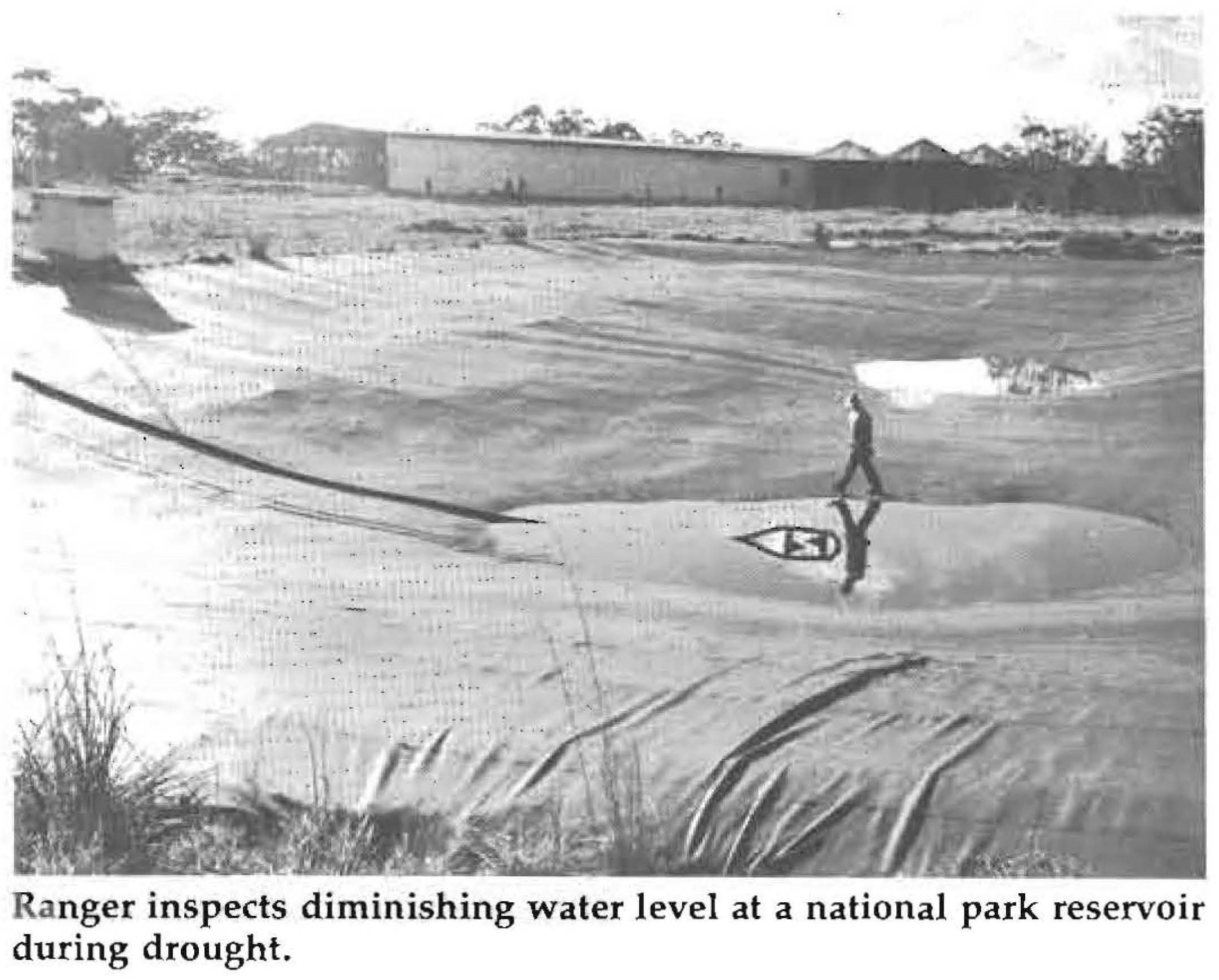
Governor George R. Ariyoshi in January issued a proclamation of a State major disaster for Hawaii County due to prolonged drought conditions. Domestic and irrigation water storage reservoirs were at critical levels because of unusually low seasonal rainfall. Strict water conservation measures and reduced irrigation schedules were imposed by the county. State major disaster funds were used to assist Hawaii County in establishing emergency water distribution systems. The systems provided supplemental water that allowed farmers, ranchers, businesses and residents to maintain minimum water usage until rains returned to fill State and County reservoirs.
– 1981 Annual Report pp. 16
Four state disaster proclamations were issued by Governor George R. Ariyoshi during the fiscal year:
– 1982 Annual Report pp. 17
- Drought conditions from July 14 through November 30, 1981, resulted in a disaster proclamation for the South Kohala and Hamakua Districts on the island of Hawaii. The Governor made $561,000 available from the state disaster fund to assist in the county recovery. The funds were used to develop emergency and alternate water sources and the improvement of existing water distribution systems to alleviate existing and future drought conditions in the affected areas of the Big Island.
- As a result of flooding of Waiawa Stream on Oahu on October 28, 1981, the Governor proclaimed a disaster condition to assist in the removal of accumulated debris to mitigate future flooding in this area.
- On February 10-12, 1982, the North and South Kona Districts of Hawaii County were damaged by high winds, heavy rains, flooding and waterspouts. The Governor made $750,000 available from the state disaster fund to repair public road and water damages.
- A disaster condition was declared on the island of Maui on March 30 – April 2, 1982. A total of $750,000 was made available to assist in disaster damage repair work. In addition, the Governor sought and obtained a Presidential disaster declaration to assist the state and county recovery efforts. State Civil Defense worked with FEMA to identify and justify 55 county and 3 state disaster projects as eligible for federal assistance funds. FEMA, the state and county will commit in excess of $2 million to replace bridges, repair roads and water systems and clear debris resulting from the Maui storm.
Maui County was plagued once again by heavy rains and flooding during March 30 – April 2, 1982 (FEMA 656-DR). With a 75 percent – 25 percent funding split, federal disaster coverage amounted to $1,148,972, while the state and county combined cost was pegged at $382,990.67, totaling $1,531,962.67 in disaster aid.
– 1985 Annual Report pp. 16
23 NOV 1982 Hurricane lwa hit Oahu and Kauai, with damages to public and private property were estimated at approximately $234 million. Hurricane lwa was the most costly disaster in the history of the State at that time.
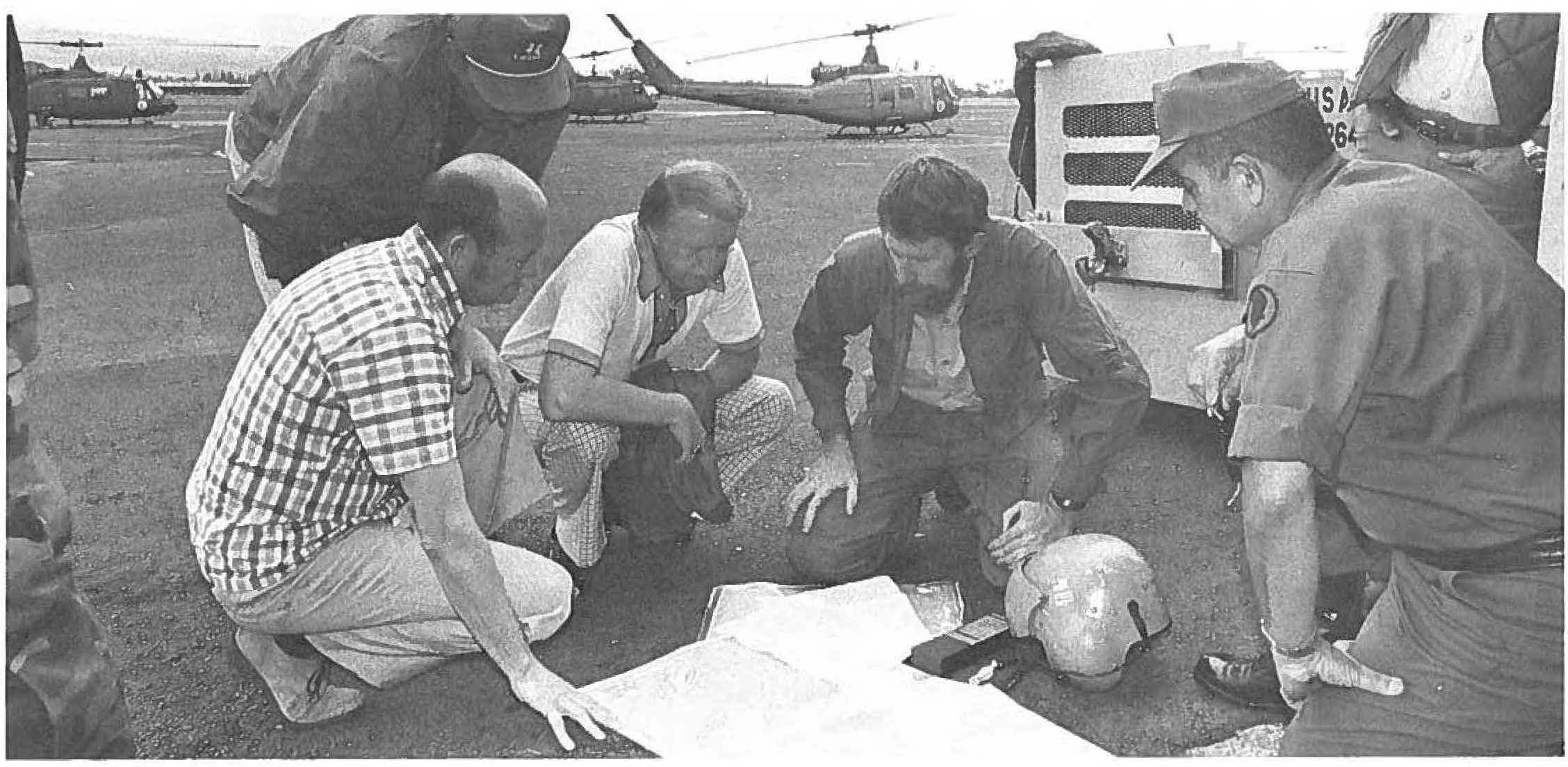
Drought conditions from February 15 through May 31, 1983, resulted in a Stale disaster proclamation for Hawaii County. The Governor made available $750,000 from the State Disaster fund to assist in alleviating the drought condition. The funds were used to develop emergency and alternate water sources and to improve existing water distribution systems to mitigate against existing and future drought conditions in the affected areas of the Big Island.
– 1983 Annual Report pp. 19
Numerous grassland fires in the Puna District, Hawaii County, during February and March 1983 resulted in the receipt of Federal disaster assistance under the provision of the Fire Suppression Grant, Section 417, PL 93-288.
– 1983 Annual Report pp. 19
A state disaster proclamation was issued by the governor for Big Island drought conditions, which officially ended in March 1985. Thus far, $109,883 from the state disaster fund has been committed to assist Hawaii County drought mitigation operations.
– 1985 Annual Report pp. 16
In July, Hurricane Estelle brought heavy rains and high surf as the storm passed south of the Big Island of Hawaii. Damage to beach homes and public roadways in the Kalapana area amounted to over $15 million.
– 1987 Annual Report pp. 15
During May 5-7, 1987, heavy rains and flooding caused nearly $2 million in damages on the island of Maui. Kahekili Highway was made temporarily impassable as washouts and landslides closed off access. Proclaiming a disaster for Maui County, Governor Waihee made $750,000 in State funds available to repair public property damage. The U.S. Department of Agriculture, Soil Conservation Service, helped with recovery efforts by providing approximately $100,000 for soil stabilization projects.
– 1987 Annual Report pp. 15
State Civil Defense also continued administration of other previous disaster-related projects in 1988. Repair projects and paperwork were completed for Maui County, where heavy rains and flooding during May 5-7, 1987 caused $2 million in damages to major roadways. The incident warranted a state disaster declaration, releasing $750,000 in special funds to repair public property damage.
– 1988 Annual Report pp. 14
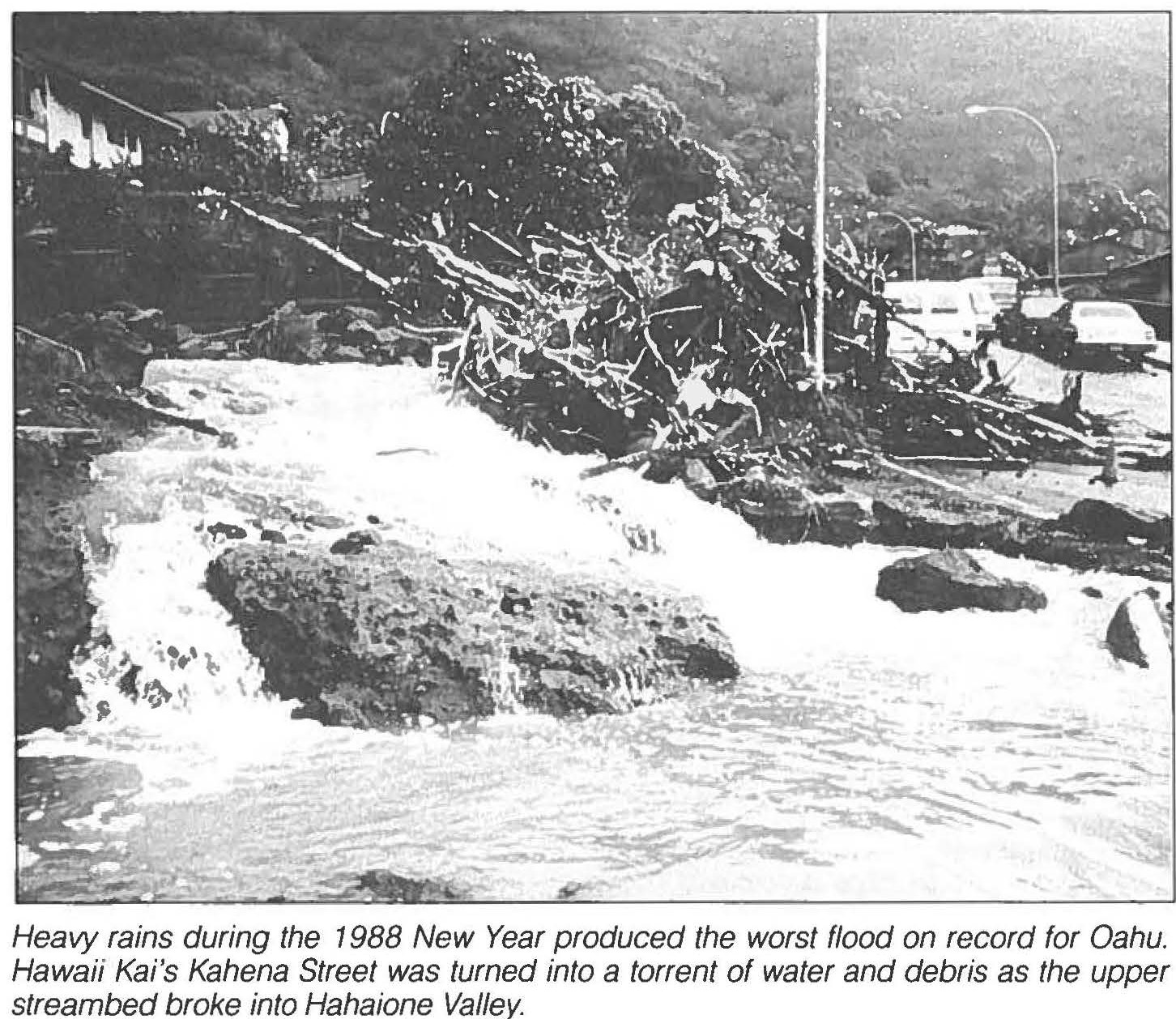
31 DEC 1987 A series of storm-fronts drenched Oahu. In lat December, another downpour brought heavy rains to many portions of Oahu, where the flooding caused unprecedented damage to East Oahu, Waimanalo and Kailua. Recovery efforts lead to the opening of three Disaster Application Centers housing one-stop help for personal and financial needs.
1988 The Pacific Caucus was formed to give Hawaii’s Pacific island neighbors a voice and a presence in the national emergency management arena. The multinational group holds annual meetings in Honolulu and is formally recognized as a fully vested member of the National Emergency Management Association, a body representing all directors.
Documents from the
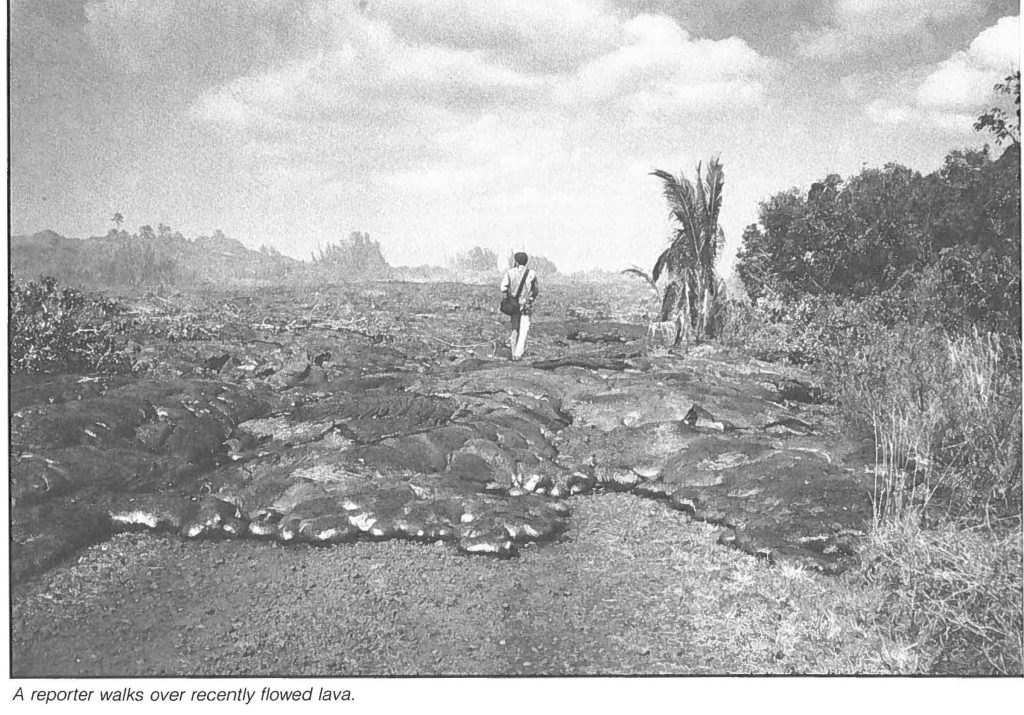
1990 Kilauea’s Pu’u O’o and Kupaianaha was declared major disaster, and a Disaster Application Center was opened in Pahoa, providing a single site for Federal, State and County assistance programs for victims of the lava flow.
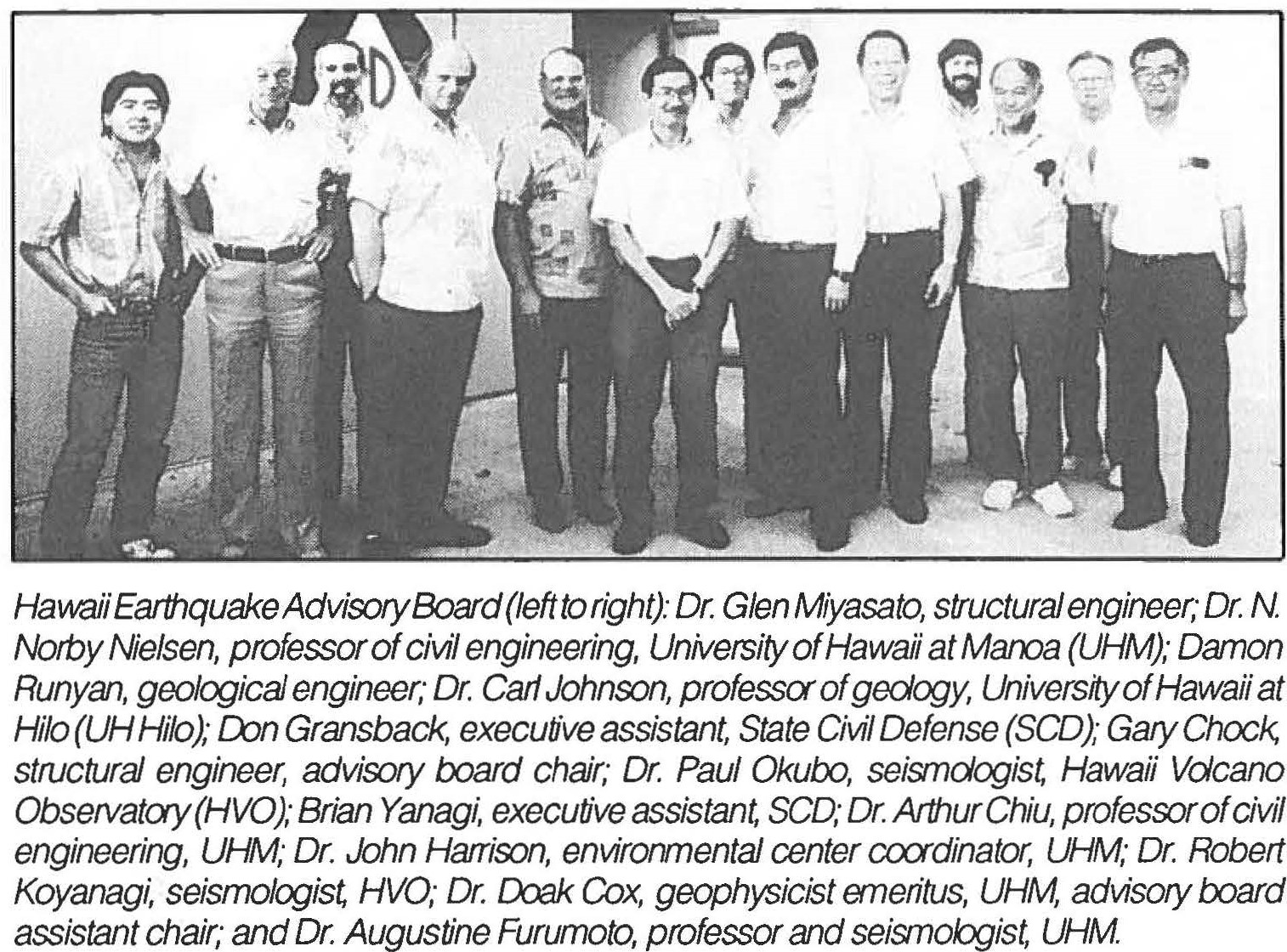
AUG 1990 The Earthquake Hazard Preparedness Committee was formed.
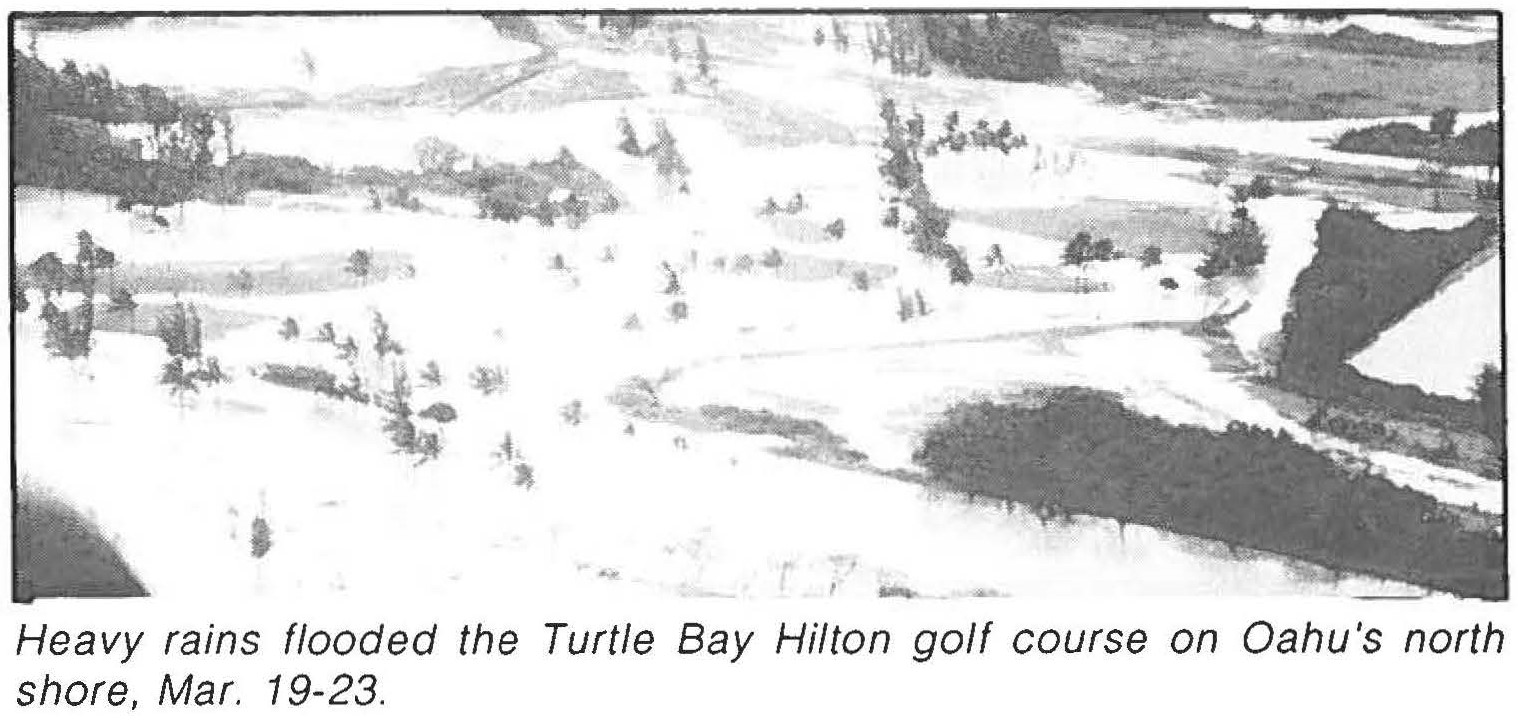
19-23 MAR 1991 Days of drenching rains were followed by extensive flooding on the north windward shores and south central portions of Oahu. Several evacuation shelters were opened as flood waters drove people from their homes, blocked roads and isolated residents.
Fire outbreak on Molokai. The wildland fire was one of the worst recorded for the island of Molokai. The fire started on June 21, 1991. It was contained for three days before flaring up again. Sporadic winds fanned its spread, and by the time the fire was extinguished on June 28, nearly 13,000 acres of land had burned, including nearly 6,000 acres of forest and game preserves. A total of 37 fire fighters battled the blaze for seven days, aided by military and civilian helicopters. Military assistance included Hawaii National Guard troops, Army Guard helicopters and Air Guard C-130 cargo aircraft
– 1992 Annual Report pp. 16
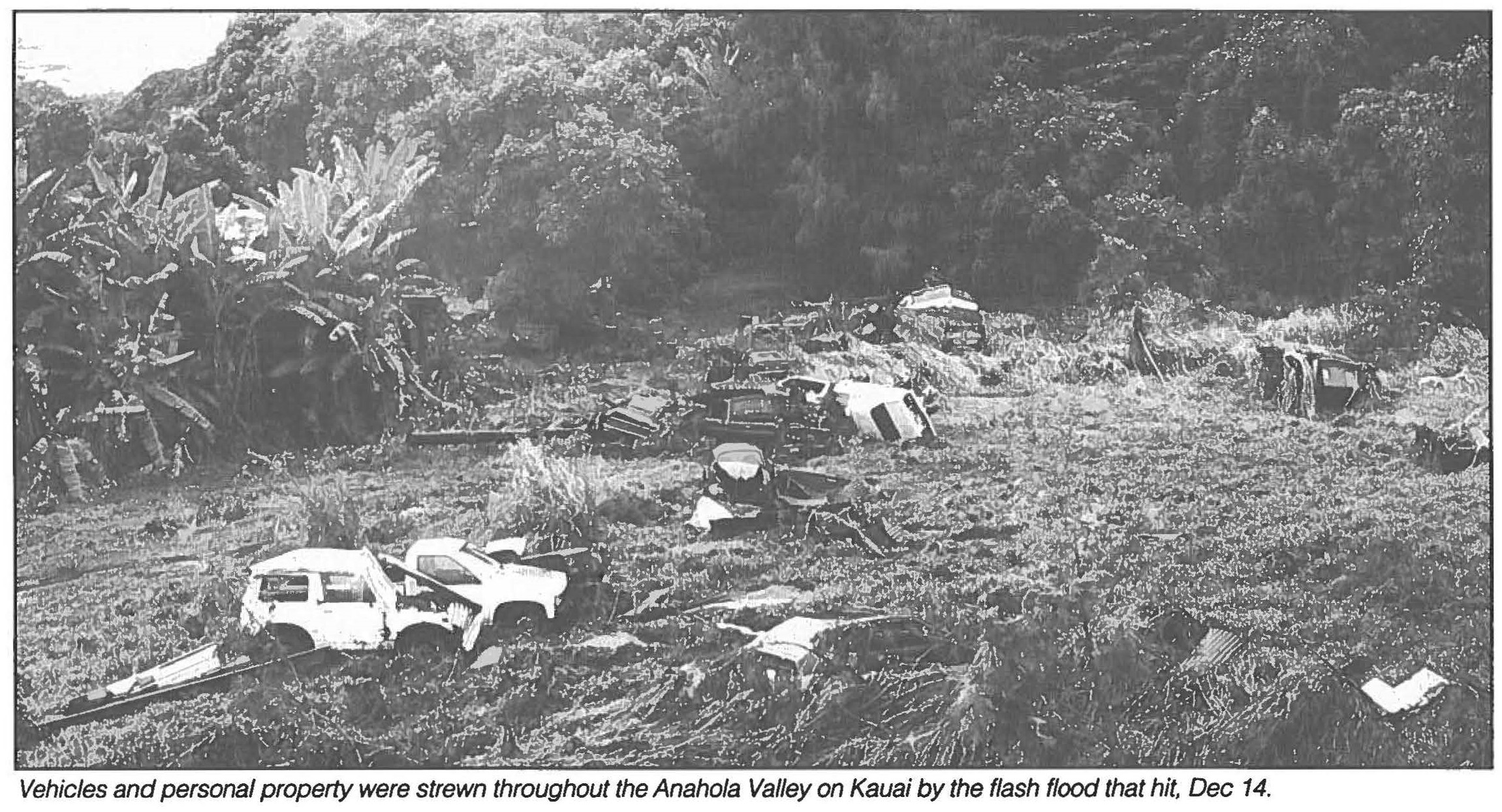
13-14 DEC 1991 Heavy rains triggered flash flooding across Kauaʻi, which caused the Anahola Stream to overflow its banks, with heavy rainfall impacting multiple areas islandwide. Recovery efforts began quickly, a Disaster Application Center operated to support victims.
Learn more
Heavy rains, flooding dampen holidays for Kauai. On Dec. 13-14, 1991, local rains and flooding resulted in four casualties and caused over $7 million dollars in property damage on Kauai. Flash floods struck suddenly in the early morning hours of Dec. 13, causing the Anahola stream to override Its banks. Heavy rains and flooding were also reported at other sites around the island. A Disaster Application Center was open from Dec. 27 to Jan. 4, to aid Kauai flood victims. In addition to state and county programs, Small Business Administration loans were made available. The Red Cross was immediately on scene, aided by other volunteer agencies, to care for critical family needs. The Kauai community, including Hawaii Army and Air National Guard troops, turned out in force to help friends and neighbors. Over 287 applications for disaster assistance were taken and Small Business Administration loans topped $270,000.00
– 1992 Annual Report pp. 16
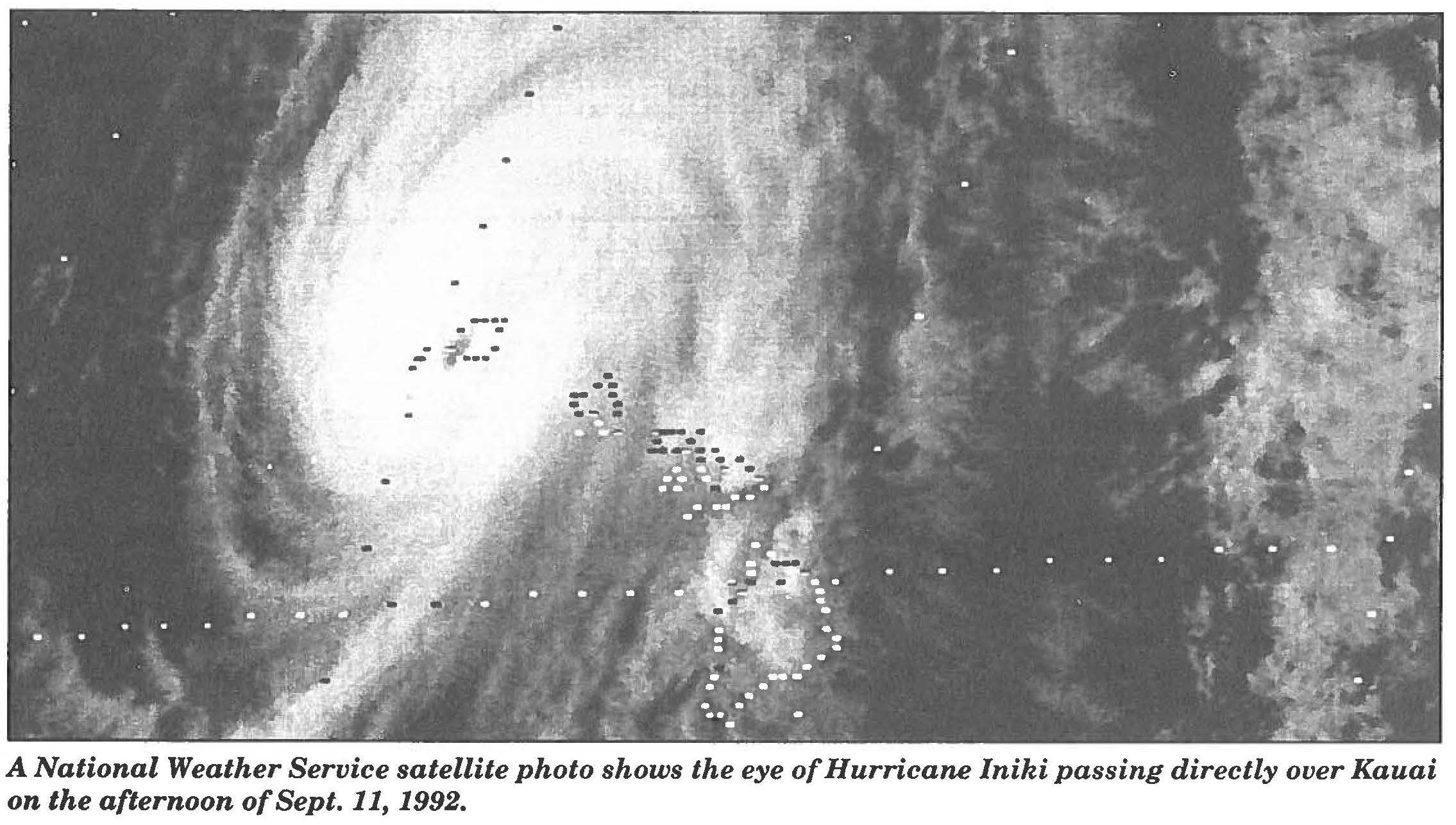
11 SEP 1992 Hurricane Iniki struck with devastating force, all islands were touched by the storm, Kauai was hit the worst. Under the umbrella of the Federal Emergency Management Agency’s response plan, dozens of federal agencies joined state and county agencies to help support local recovery and response organizations. At the height of the response, over 20,000 persons were employed in disaster aid delivery. The combined federal, state and county team mounted the largest response and recovery effort in Hawaii’s history.
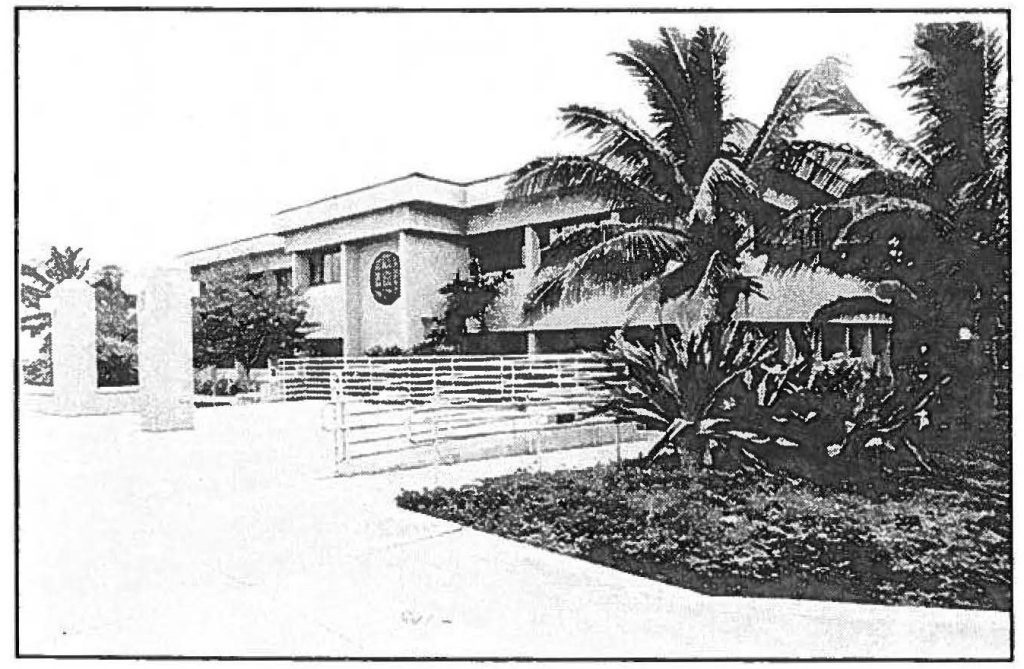
MAR 1994 The Hawaii Hurricane Advisory Board was formed.
21 FEB 1996 The State Civil Defense took the lead in the development of the Pacific Disaster Center which was dedicated on Maui. The state-of-the-art facility provides emergency managers in the Pacific region the most advanced information products on pending disasters by using a supercomputer.
5-17 NOV 1996 Record-setting rains, caused severe flooding across Oʻahu, with some areas receiving more than 20 inches of rain in just 12 hours. The flooding heavily impacted farmers, homeowners, and businesses. Sixty-eight homes sustained minor damage and six suffered major damage.
Learn more
Record rains, flooding on Oahu in November. Record rains on Oahu over Nov. 5-17, 1996, caused severe problems for portions of the island. Some rain gages topped 100-year totals, as over 20 inches of rain was recorded in a 12-hour period in some areas. Farmers and growers were hard hit by water damage, as were local homeowners and businesses. As the rains receded, Operation KOKUA was launched to clean up debris and standing water. The effort netted over 1.6 million pounds of debris and 96 abandoned vehicles in two sweeps carried out over Nov. 23 and 30 on the leeward coast and north shore. Damages were estimated in excess of $12 million, with over $2 million in repairs to public facilities. Sixty-eight Oahu homes reported minor damage, and six reported major damage. Coupled with economic losses, damages on Oahu could top $20 million or more.
A Presidential disaster was declared on Nov. 18, 1996, authorizing use of public assistance programs and Small Business Administration loans. Federal and state agricultural loan programs were also made available to farmers and growers to help recoup losses. FEMA Hazard Mitigation Grant Program funds totaling $600,000 are earmarked for projects to design new drainage systems and reinforce existing layouts. Areas which have been flood-prone for years because of drainage problems will soon see relief from common flooding problems.
– 1997 Annual Report pp. 21-22
Record rains and heavy flooding beginning Nov. 5, 1996, and continuing over most of the month caused damage and losses to homes, crops and livestock along the leeward coast and north shore of Oahu. The Oahu Flood was declared a federal disaster on Nov. 18 for damages occurring over Nov. 5-17. FEMA approved approximately $5 million in public assistance projects, with the State and the City & County picking np a 25 percent share. Small Business Association loans were made available to homeowners and businesses, as well as various agricultural loan programs for farmers and growers. To help clean up after the flooding, Operation KOKUA was launched to clear debris from the leeward coast and north shore. The effort was spearheaded by the Hawaii National Guard.
Most restoration work has been completed. Efforts have turned to mitigation projects to help alleviate future flooding. State Civil Defense and the Department of Natural Resources are working with the Army Corps of Engineers for workable solutions to reduce the severe flooding risk. State Civil Defense submitted a report to the 1998 Legislature on implementation strategies and long-term recommendations for flood control projects on the leeward coast and north shore on Oahu.
– 1998 Annual Report pp. 24
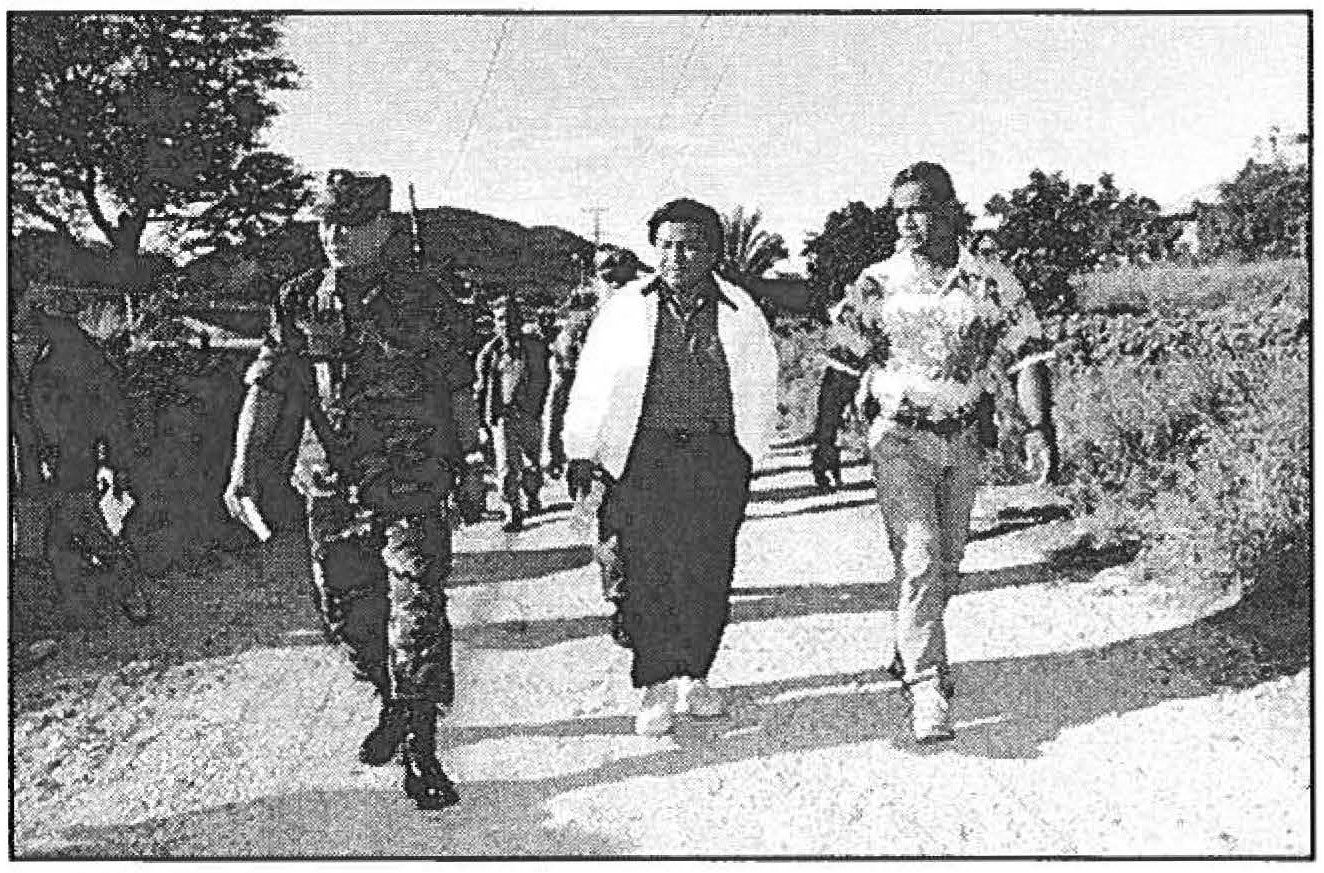
1998 The Tsunami Technical Review Committee was formed.
1999 The Hawaii Emergency Preparedness Executive Committee was formed.
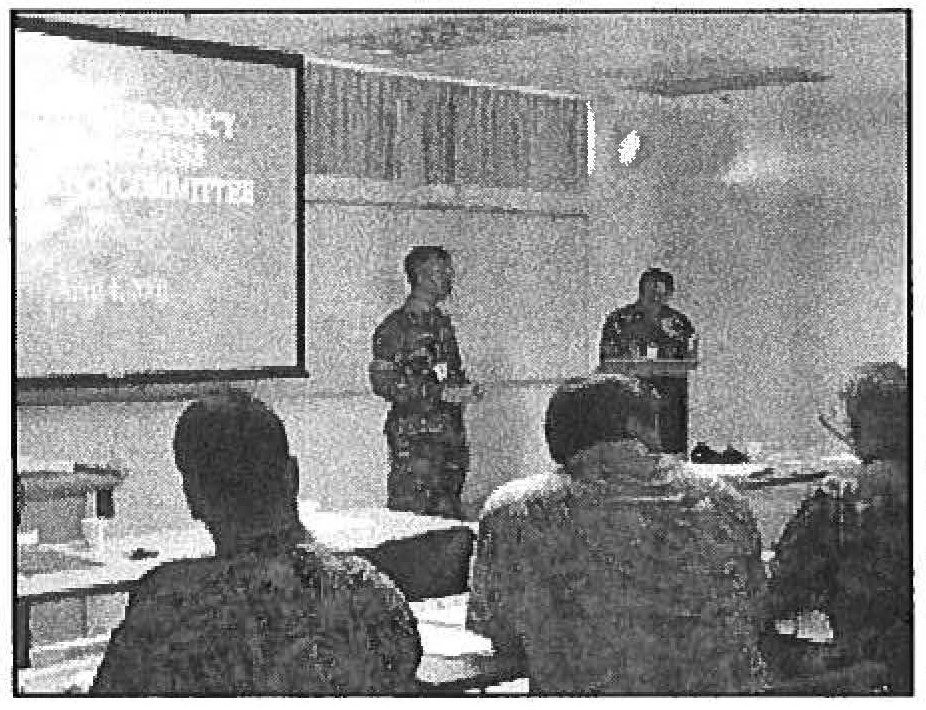
FY 1999 State Hazard Mitigation Forum was formed.
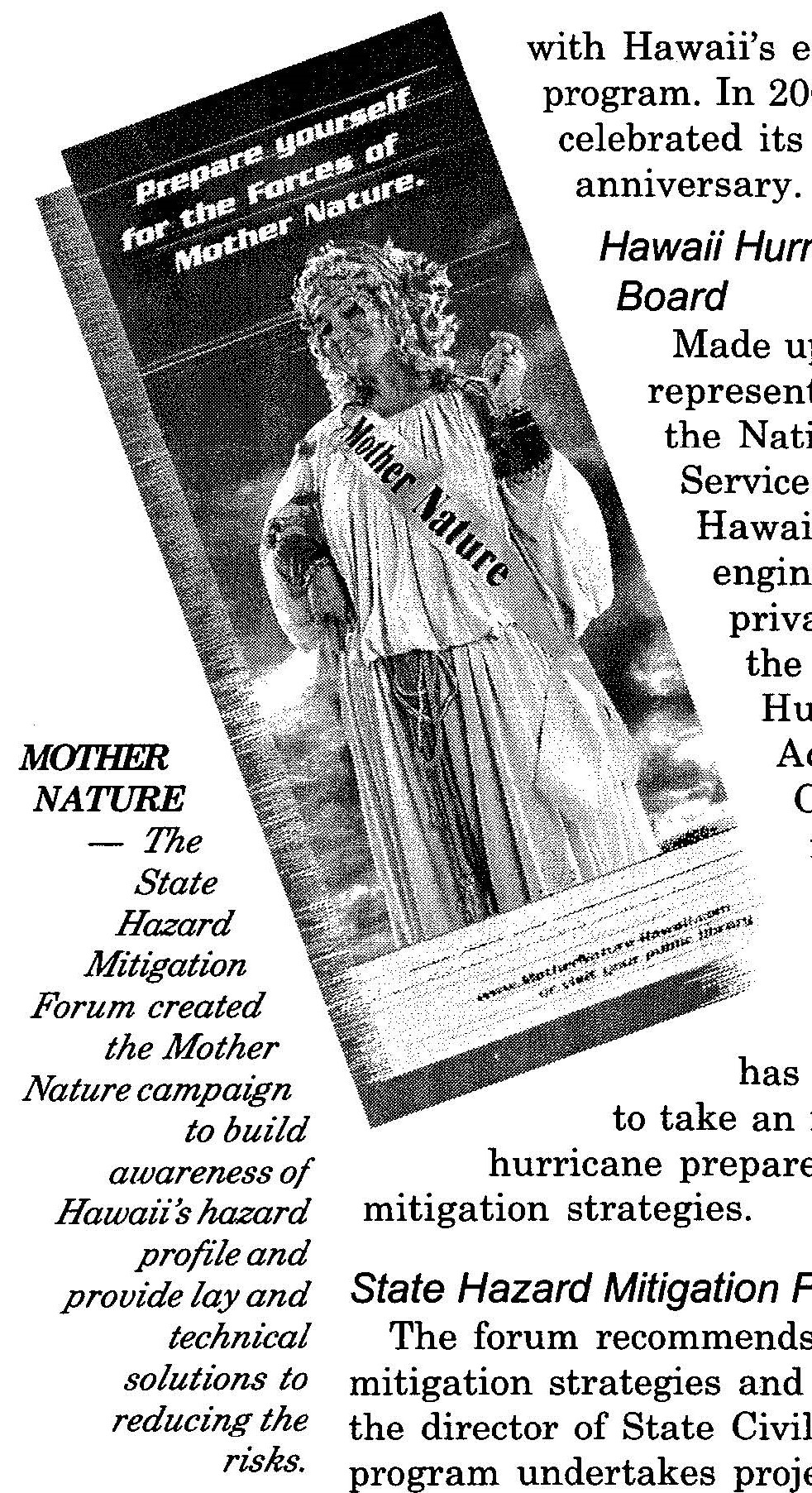
Documents from the
2000 The Lava Flow Mitigation Technical Committee was formed
28 OCT – 2 NOV 2000 Hawaii County recorded heavy rains and flooding which caused widespread damage to roadways, bridges, homes and businesses. State Civil Defense worked closely with Hawaii County officials to coordinate response and recovery efforts, the declaration process for federal assistance, and the setup and operation of the Disaster Recovery Centers.
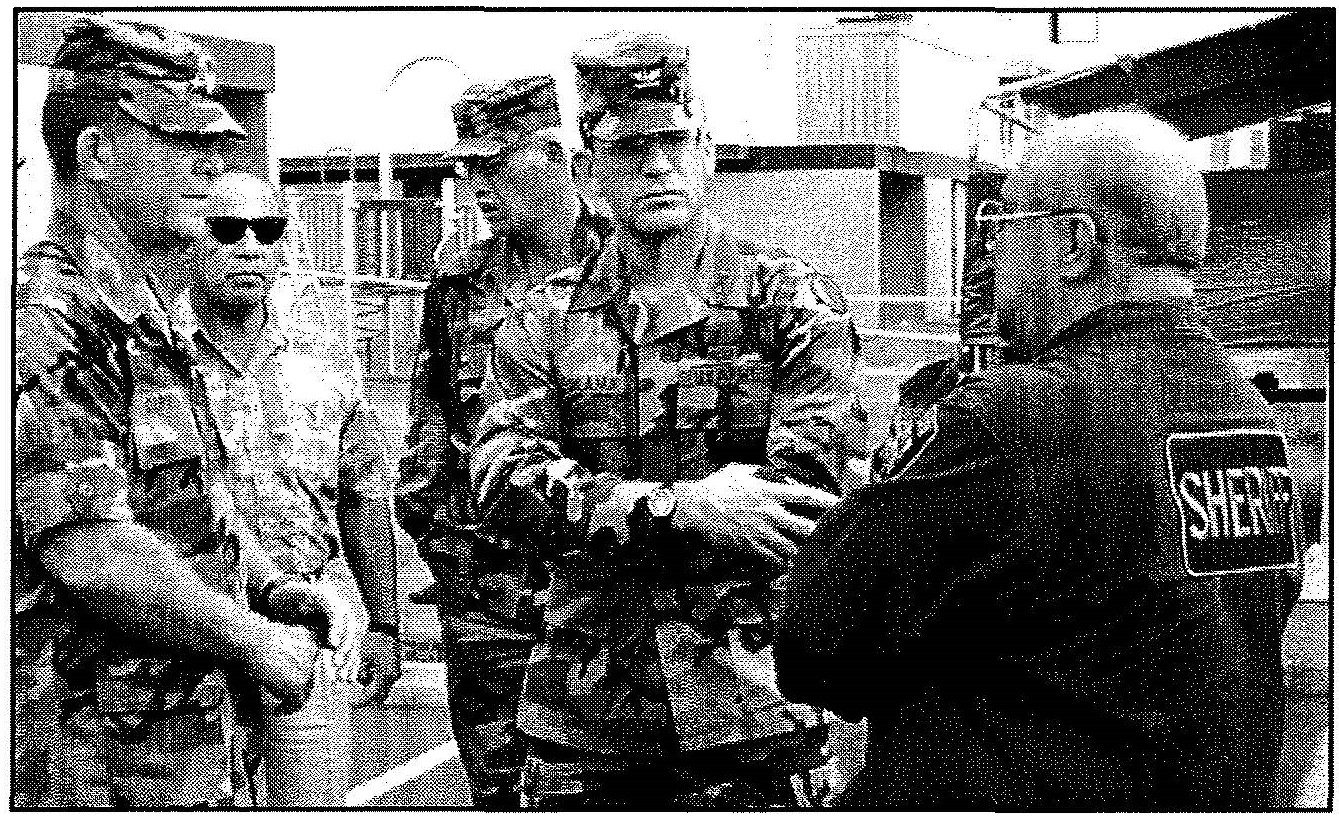
11 SEP 2001 Following the September 11 attacks, During this same period, the Hawaii National Guard and State Civil Defense continued heightened security operations to protect Hawaiʻi’s airports, airspace and critical infrastructure, conduct vulnerability assessments. Additional fears emerged across the U.S. as anthrax-contaminated mail was discovered, causing several deaths from inhalation anthrax. Although no confirmed cases occurred in Hawaiʻi, the State Civil Defense (SCD) worked closely with federal, state and county partners to provide guidance to the public and media on how to identify and handle potential anthrax contamination.
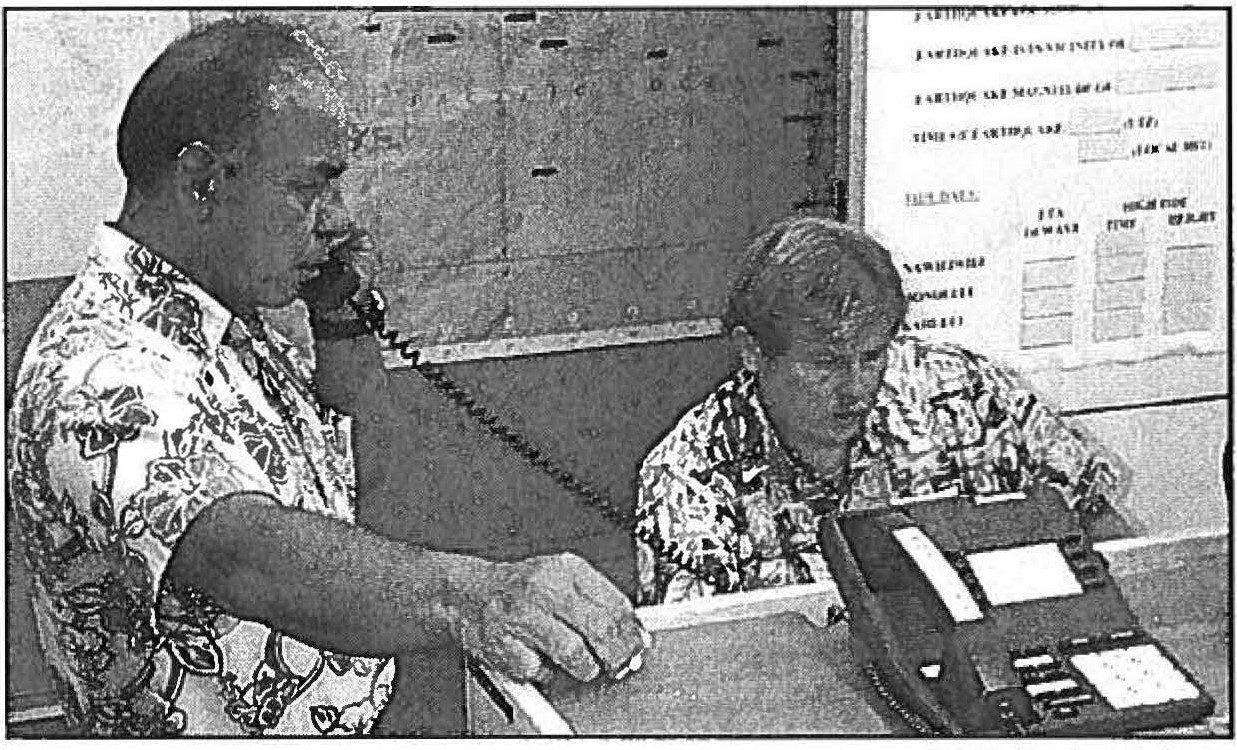
Dengue fever outbreak. In the midst of ongoing responses to Sept. 11, cases of dengue fever were reported on Maui, Kauai and Oahu, beginning in October. SCD participated with the State Department of Health in prevention planning and coordination meetings. By February 2002, 119 cases of dengue fever had been confirmed, the largest outbreak in the islands since the mid 1940’s. By mid-year, the outbreak had subsided.
– 2002 Annual Report pp. 19-20
Heavy rains beginning December 7, 2003 launched Hawaii’s wettest rainy season in recent memory by causing flooding to the Mapunapuna business district and several other areas on Oahu. Before the rainy season ended in mid April, every island had experienced damaging floods to some degree. Among the worst were the rivers of mud and rocks that cascaded down from a blocked culvert on Likelike Highway, Febuary 28, 2004, damaging houses and cars along Almahu Place in Oahu’s Kalihi Valley. In each case, State Civil Defense went into the field to assess damage and provide the information needed by Governor Lingle for disaster proclamations that made available state assistance to the victims.
– 2004 Annual Report pp. 20
The night before Halloween brought a cruel surprise to Manoa Valley residents and the neighboring University of Hawaii of Hawaii campus. A constant downpour the night of Oct. 30 dumped more than eight inches of rain in less than three hours on the upper reaches of the valley transforming gentle Manoa Stream into a raging, uncontrollable river. The torrents tore down a steel and concrete bride, damaged homes, and swept automobiles and debris down stream. Erupting over the stream banks, water and mud poured into the lower floors of the U.H. Hamilton Library and damaged more than 30 other buildings on campus.
SCD coordinated the response and recovery effort, sending in teams of staff members to make preliminary damages estimates; directing National Guard troops to the hardest hit areas; setting up a Disaster Assistance Recovery Center to help expedite assistance for victims, and recommending that the governor request a presidential disaster declaration so that federal funds and resources would be provided to support the recovery. Total damage from the Manoa flood disaster exceeds $70 million. A special SCD recovery team continues dealing with flood related repair issues involving public property.
– 2005 Annual Report pp. 22-23
2004 Manoa Floods
On the evening of Oct. 30, 2004, more than eight inches of rain fell on Oahu in a three hour period. The downpour caused flash flooding in Manoa Valley, Nuuanu Valley and Kalihi Valley. Both private and public property suffered severe damage. The University of Hawaii at Manoa suffered great losses especially to Hamilton Library and the John Burns School of Medicine. Realizing the magnitude of the situation, a Presidential Major Disaster Declaration was signed on Feb. 1, 2005, giving the City and County of Honolulu and the State of Hawaii access to federal assistance through the FEMA. More than $54 million were committed to recovery efforts. As of FY 2009, 75 percent of the funded projects have completed repairs, restoration or replacement of damaged property. A Hazard Mitigation Grant Program allocation of $4,403,890 was approved for eligible projects at a 75/25 percent federal/state cost share.
– 2009 Annual Report pp. 22
FY 2007 SCD assumed the State Warning Point duties and functions performed for more than three decades by the Honolulu Police Department. The State Warning Point section is manned 24/7 by SCD staff and monitors the National Warning System which connects over 2,600 agencies and provides emergency responders and the public with information on terrorist attacks and natural disasters.
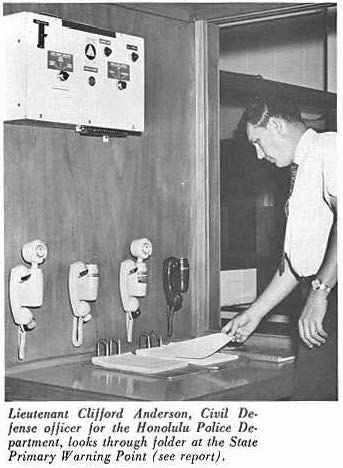
20 FEB – 2 APR Heavy rains fell over Kauai and Oahu causing widespread flooding and the failure of a dam on Kauai that killed seven people.

15 OCT 2006 A 6.7 magnitude earthquake off the western coast of the island of Hawaii caused damage statewide. A Presidential Major Disaster Declaration was signed, releasing federal funds to assist in recovery efforts. Damage to public infrastructure exceeded $20 million.
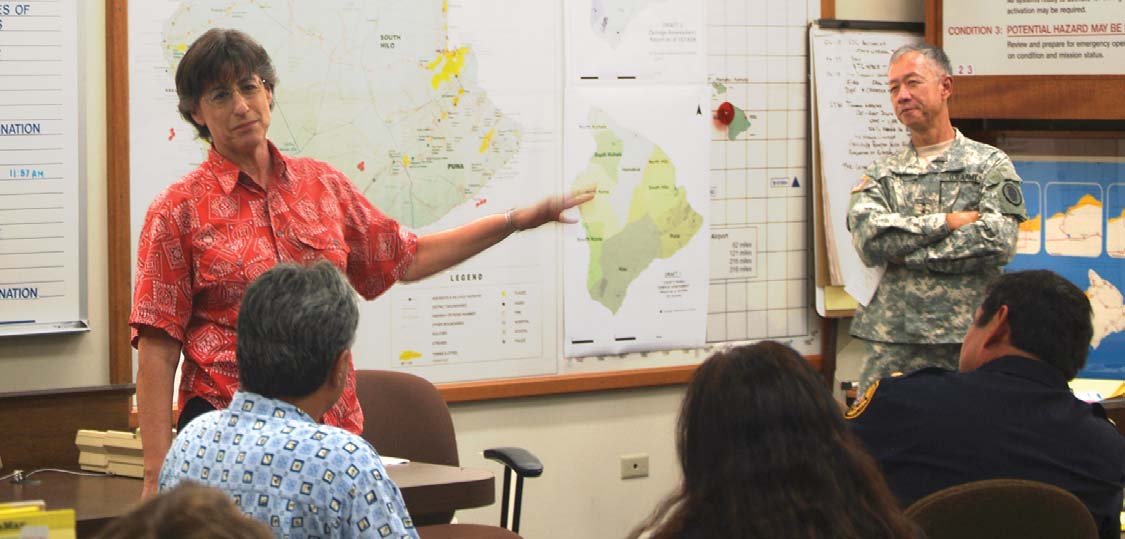
2007 Severe Storms, High Surf, Flooding, and Mudslides
Severe weather conditions caused extensive damage to private and public property throughout the State for four days beginning on Dec. 4, 2007. The most severely impacted was the island of Maui where the accumulation of flood-borne debris in stream beds and along roads and highways threatened public and private buildings and infrastructure, such as roads and water distribution facilities. Damage from the tropical storm force winds, heavy rains, high surf, storm surge, and flooding totaled $3,549,631 for 80 projects. A Hazard Mitigation Grant Program allocation of $480,148.00 was approved for eligible projects at a 75/25 percent federal/state cost share.
– 2009 Annual Report pp. 23
05 MAY 2008 The addition of an Emergency Operating Center annex at Building 303 provided HIEMA with extra space. Staff worked to renovate an existing warehouse inside Diamond Head Crater and stocked it with emergency supplies to support special needs shelters (e.g., generators, oxygen, cots, etc.); Urban Search & Rescue; and immediate response needs.
Learn more
The addition of an Emergency Operating Center (EOC) annex at Building 303 provided SCD with the space needed to work the four federally declared disasters open in FY08. SCD staff worked to renovate an existing warehouse inside Diamond Head Crater and stocked it with emergency supplies to support special needs shelters (e.g., generators, oxygen, cots, etc.); Urban Search & Rescue; and immediate response needs.
– 2008 Annual Report pp. 21

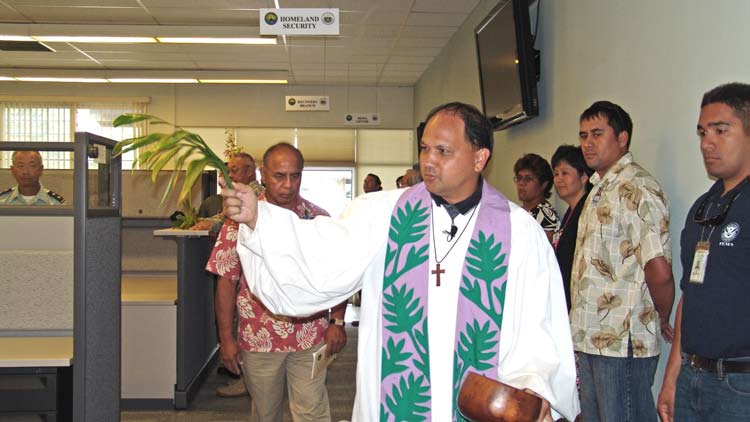
2008 Severe Storms and Flooding
Heavy rains and high winds beginning Dec. 10 through Dec. 16, 2008, caused flash flooding and severe damage to private and public property in the County of Kauai and the City and County of Honolulu, resulting in a Presidential federal declaration on Jan. 5, 2009. Several rain gauges recorded 10-13 inches of rain in a 12-hour period. Nine stream gauges on Oahu measured the highest flow reading in recorded history. The damage to public property included parks, roads, buildings, and water distribution facilities. A total of 52 projects to restore or repair the damages totaled $2,064,839. A Hazard Mitigation Grant Program allocation of $1,213,755.00 was approved for eligible projects at a 75/25 percent federal/state cost share.
– 2009 Annual Report pp. 23
2009 The Kaunakakai Fire burned 7,000 acres and threatened 400 residences on Molokai. HIEMA coordinated for an approved FEMA Fire Management Assistance Grant which reimbursed 75 percent of eligible state and county fire fighting costs.
Learn more
2009 Kaunakakai Fire (FEMA 2834) – burned 7,000 acres and threatened 400 residences in Maui County on Molokai island. SCD coordinated for an approved FEMA Fire Management Assistance Grant which reimbursed 75 percent of eligible state and county fire fighting costs.
– 2010 Annual Report pp. 23

Documents from the
2010 Maalaea Fire (FEMA 2844) – burned more than 2,000 acres, prompted evacuation of about 100 people, including residents, shoppers and workers at Maalaea Harbor shops, shoreline campers, visitors at the scenic lookout at the pali, employees of the Kaheawa Wind Farm and boat operators at the harbor. SCD coordinated for an approved FEMA Fire Management Assistance Grant which reimbursed 75 percent of eligible State and county fire fighting costs
– 2010 Annual Report pp. 23-24
11 MAR 2011 The State was impacted by a tsunami caused by a magnitude 9.0 earthquake from Honshu Japan. The State Civil Defense, coordinated SBA low interest disaster loans, and repair of public infrastructure damaged by the tsunami.

18 APR 2012 A major disaster was declared for Maui County and Kauai as a result of severe weather system causing heavy rainfall, thunderstorms, strong winds, lighting, and hail. Following the storms Maui County and Kauai qualified for the FEMA Public Assistance grant program.
Learn more
Severe Storms, Flooding and Landslides. On April 18, 2012, a major disaster was declared for Maui County and Kauai as a result of an upper level low combining with a surface trough that travelled westward over the Hawaiian Islands. This severe weather system resulted in heavy rainfall, thunderstorms, strong winds, lighting, and hail impacting Maui County, Kauai, and Oahu. Following the storms Maui County and Kauai qualified for the Federal Emergency Management Agency (FEMA) Public Assistance grant program. Public Assistance provides disaster grant assistance for: debris removal; emergency protective measures; repair, replacement, or restoration of publicly owned facilities and infrastructure at a 75-25 cost share.
– 2012 Annual Report pp. 22
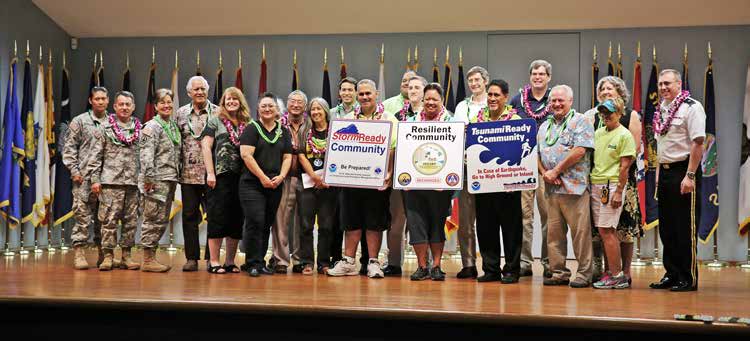
OCT 2012 A initiative to support community preparedness through partnerships and resources was developed by HIEMA and the Pacific Disaster Center. The Hawaii Hazard Awareness and Resiliency Program was designed to: increase hazard awareness, enhance understanding of official warnings, educate residents on appropriate response actions, improve personal preparedness, identify a community’s existing skills and resources for disaster preparedness and response, provide guidance on hazard mitigation and aid community development of emergency plans and exercises.
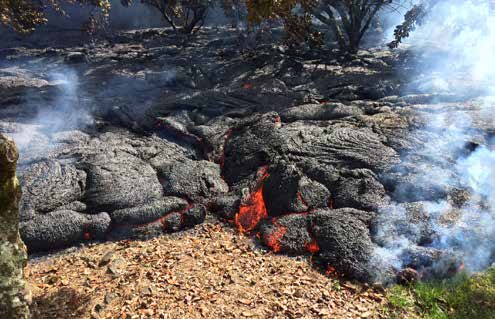
27 JUN 2014 – MAR 2015 HIEMA worked as the liaison between Hawaii County and state and federal partners in response to the Puna Lava Flow. HIEMA coordinated the Presidential Declaration for Public Assistance and as a result of this declaration, 12 state and county agencies/ departments will be reimbursed $9.4 million.
Learn more
The Kilauea lava flow, which began June 27, 2014, was being monitored by SCD/HI-EMA staff.
– 2014 Annual Report pp. 25-26
HI-EMA worked as the liaison between Hawaii County and state and federal partners to ensure that the response to the Puna Lava Flow emergency was handled in an efficient and timely manner. Support was provided and response efforts remained flexible and scalable during the entire period. HI-EMA coordinated the Presidential Declaration for Public Assistance in the Puna Lava Flow event. As a result of this declaration, 12 state and county agencies/ departments were able to submit approximately $12.5 million in eligible emergency protective measure costs (by-pass roads, Chain of Craters improvements, and movement of schools from Pahoa) to FEMA of which 75 percent or approximately $9.4 million will be reimbursed to the state or counties.
– 2015 Annual Report pp. 24-25
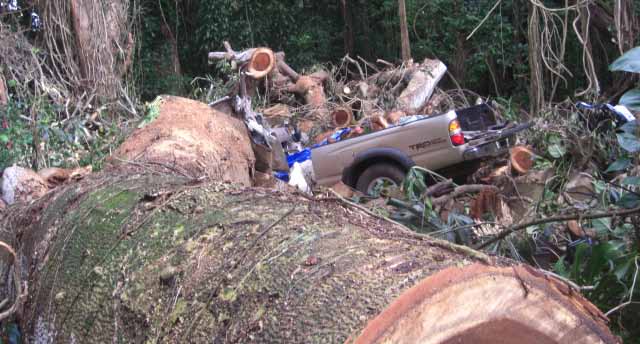
Tropical Storm Iselle brought heavy rains, strong winds and storm surge that destroyed and damaged homes, clogged roads/ highways, and caused power outages on Hawaii Island, primarily in the Puna district, when it made landfall on Aug. 6, 2014. The HI-EMA Disaster Assistance and Recovery Center (DARC) team, made up of 12 HIEMA emergency staff members, deployed shortly thereafter to assist with recovery efforts at the request of Hawaii County. Team members, in partnership with the county administration, provided and coordinated all of the administrative and logistical functions required to set up two DARC locations: one at the Pahoa Community Center and another at the Mountain View Gym. At each DARC, affected residents were able to address their critical needs in-person and gather important information from experts face-to-face on where and how to get help following the disaster. More than 1,419 residents visited the DARC locations over the four-day period. The 12-member team was selected as the State DOD’s 2015 Team of the Year.
– 2014 Annual Report pp. 24-25
12-19 AUG 2018 Hurricane Lane hit Kaua‘i, Maui and Hawai‘i counties where the affected communities were approved for public assistance.
Learn more
Hurricane Lane also hit while crews were busy monitoring the Kīlauea eruption, between August 12 through 19, 2018. Kaua‘i, Maui, and Hawai‘i counties were the affected communities approved for public assistance. There were 21 eligible applicants, and 72 projects formulated with no dollars already obligated.
– 2019 Annual Report pp. 27
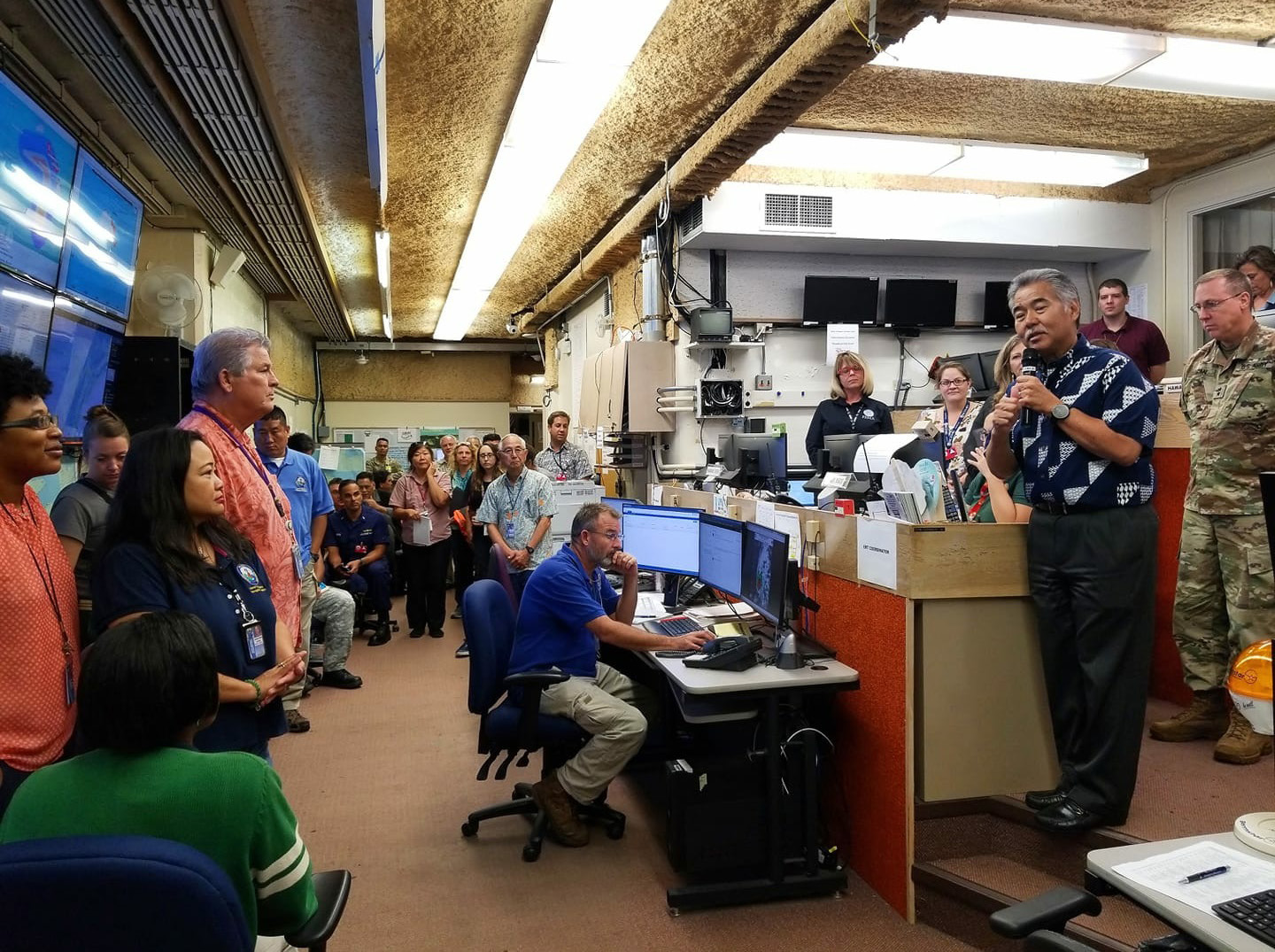
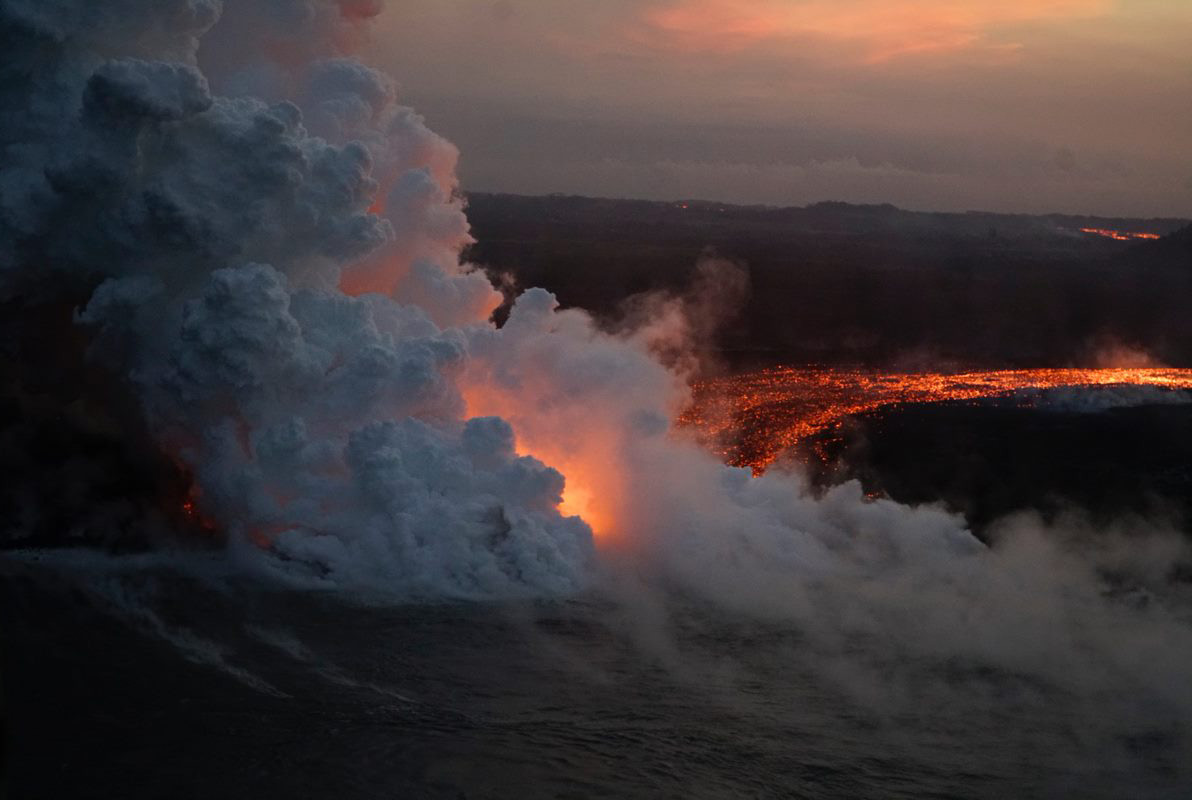
3 MAY – 14 AUG 2018 HIEMA responded to the Kīlauea volcanic eruption, which ended up destroying over 700 homes. HIEMA provided critical response support in the form of manpower and expertise by assisting the community in applying for FEMA support for loss of property and business revenue.
Learn more
HI-EMA responded to the Kīlauea volcanic eruption, which spanned into two fiscal years, from May 3 through August 14, 2018. The lava ended up destroying over 700 homes. HI-EMA provided critical response support in the form of manpower and expertise during the historical event. HI-EMA also assisted the community in applying for FEMA support for loss of property and business revenue. The County of Hawai‘i was approved for public assistance, with 16 eligible applicants. 47 projects were formulated with $3.5 million already obligated.
Hurricane Lane also hit while crews were busy monitoring the Kīlauea eruption, between August 12 through 19, 2018. Kaua‘i, Maui, and Hawai‘i counties were the affected communities approved for public assistance. There were 21 eligible applicants, and 72 projects formulated with no dollars already obligated.
– 2019 Annual Report pp. 27
Documents from the
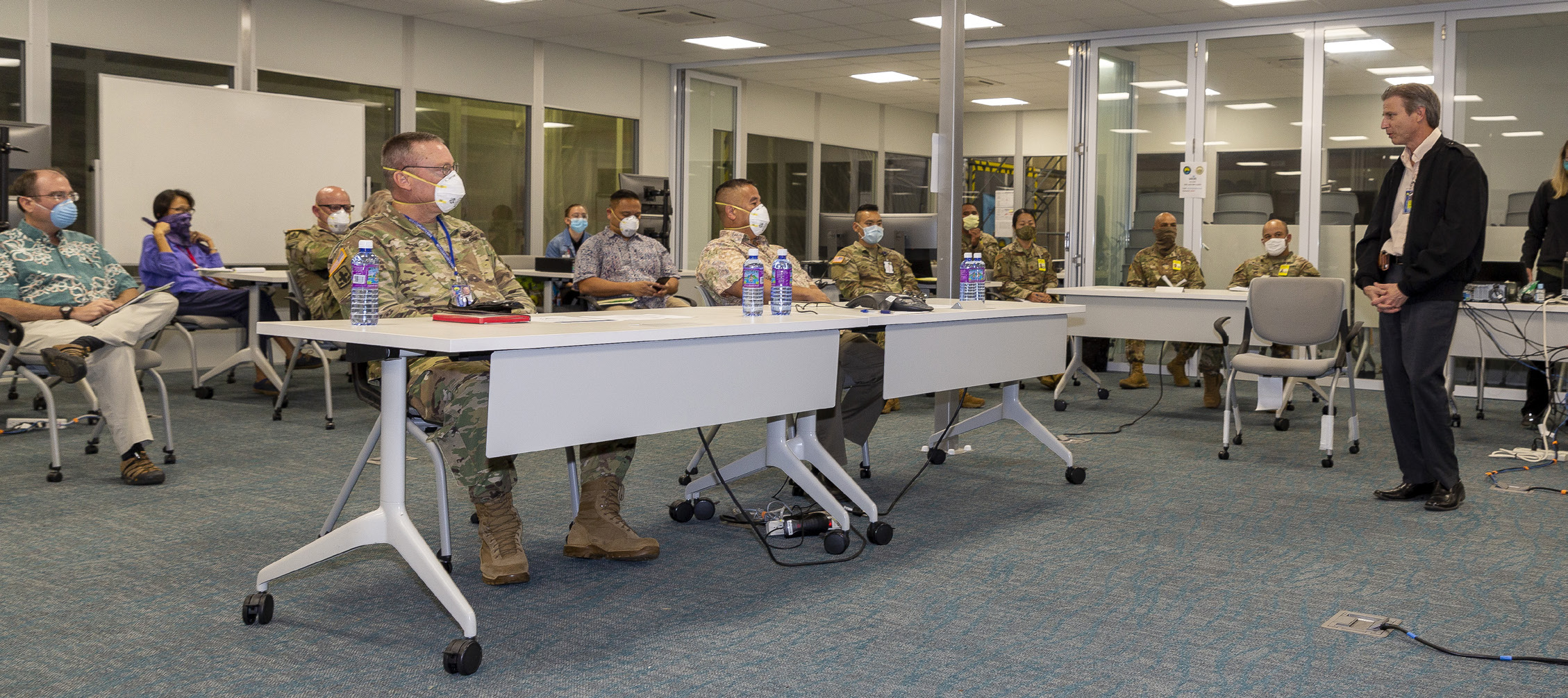
APR 2020-2022 HIEMA lead the response to the COVID-19 pandemic, statewide coordination efforts under the Incident Command System. HIEMA oversaw deliberate planning and execution of key strategies, including medical surge staffing, testing, safe travel protocols, and vaccine distribution.
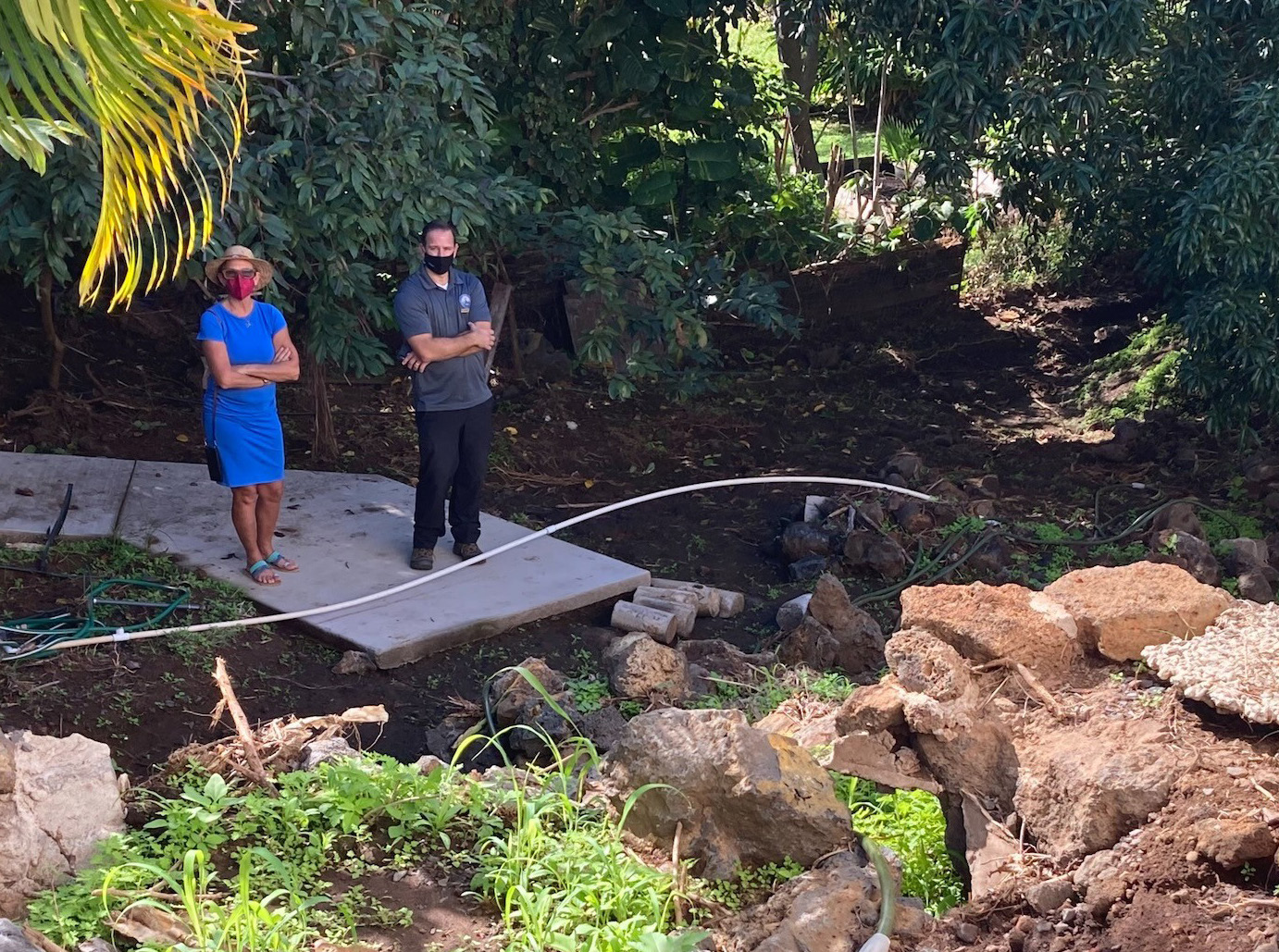
DEC 2021 A Kona low storm dumped over 20 inches of rain across parts of Hawaiʻi. Teams of state, county and federal workers assessed private property damage. Organized by the HIEMA, these visits focused on sites not previously inspected during the initial assessment of highways and other public infrastructure.
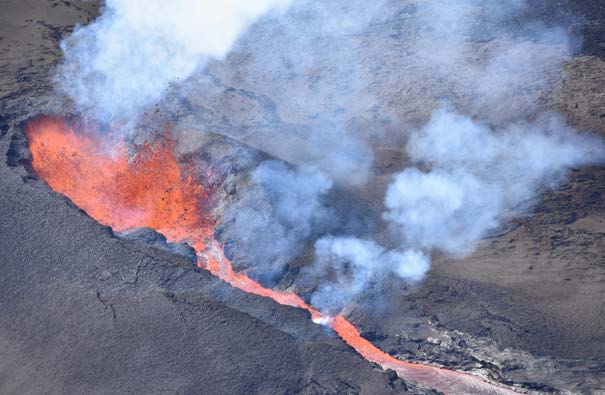
27 NOV – 13 DEC 2022 Mauna Loa erupted, its first in 38 years and HIEMA played an important role in supporting response and public safety efforts on the Big Island. In the weeks leading up to the eruption, agencies including the Hawaiʻi County Civil Defense Agency, Hawaiian Volcano Observatory, and the Hawaiʻi Emergency Management Agency closely monitored volcanic activity while coordinating public outreach and preparedness messaging.HIEMA personnel deployed to Hilo to assist in the county’s Emergency Operations Center.
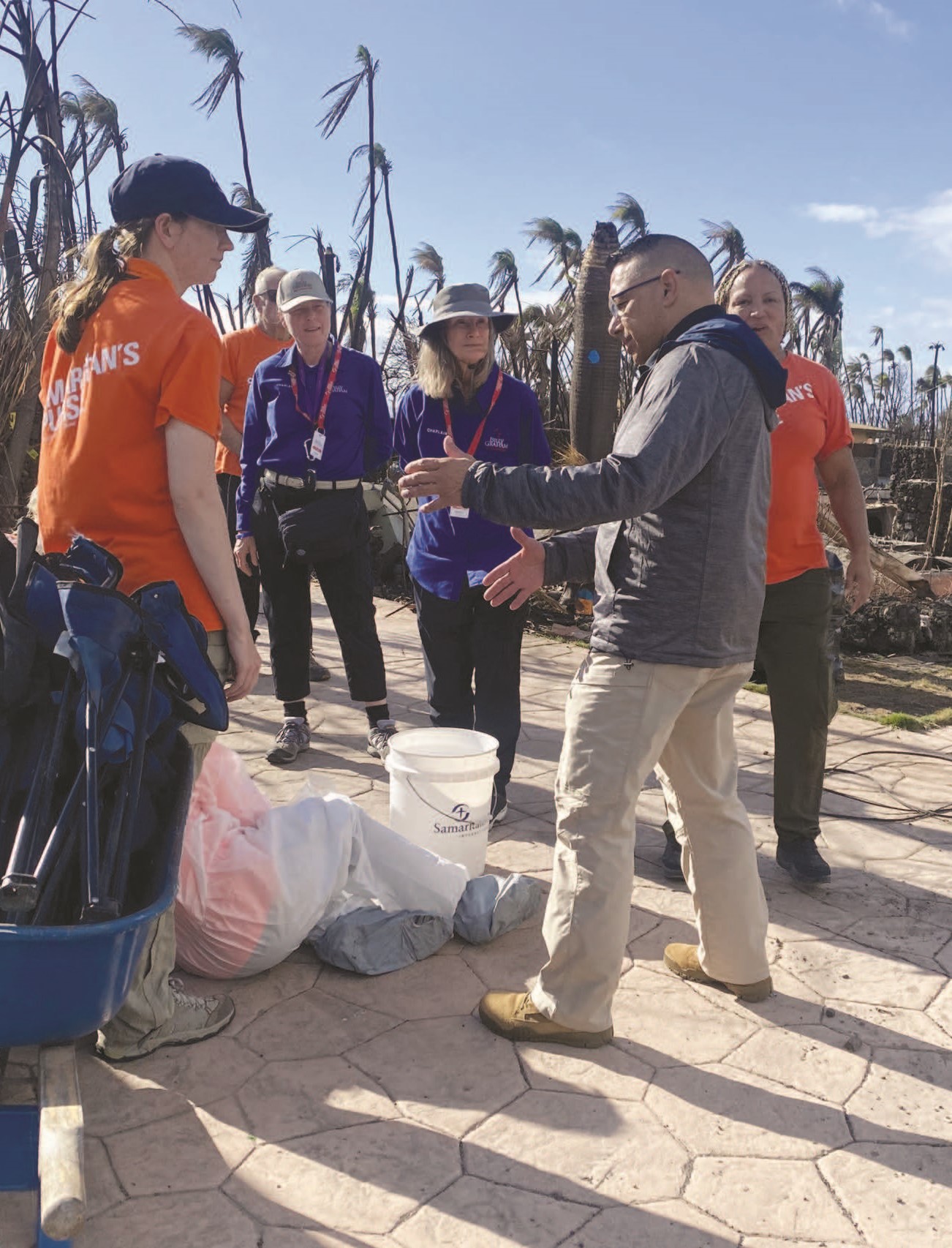
AUG 2023 Devastating wildfires hit multiple locations on Maui. HIEMA coordinates response efforts, providing critical support to local authorities and first responders and worked to ensure the safety of residents and visitors, facilitating evacuations and establishing emergency shelters for those displaced by the fires. HIEMA collaborated with various state and federal agencies to conduct damage assessments and implement relief measures.
Learn more
A defining event this year was the devastating wildfires that impacted Maui in August 2023.
HI-EMA mobilized quickly to coordinate response efforts, providing critical support to local authorities and first responders. HI-EMA worked to ensure the safety of residents and visitors, facilitating evacuations and establishing emergency shelters for those displaced by the fires. Additionally, HI-EMA collaborated with various state and federal agencies to conduct damage assessments and implement relief measures.
In the aftermath of the Maui wildfires, the state of Hawaiʻi quickly coordinated with local agencies, nonprofits, and federal partners to secure temporary housing options, including 17 hotels, short-term rentals, and 35 condominiums for 8,001 people. This action helped ensure that displaced residents had access to safe living conditions. The program provided support services, which included case management, mental health support, and assistance with navigating federal and state aid programs. These services aimed to help individuals and families transition from emergency sheltering to more permanent housing solutions.
When focus shifted to recovery, HI-EMA played a pivotal role in coordinating debris removal efforts, working closely with local governments and contractors to clear affected areas and restore access to essential services. Swift action in debris management supported rebuilding efforts and assisted residents in returning to their homes. The ongoing collaboration with FEMA ensured that funding and resources were available to support these critical recovery activities.
– 2024 Annual Report pp. 41-42
Documents from the
Hawaiʻi Emergency Management Agency Leadership
- FY 2000 – March 2012 Edward T. Teixeira
- March 2012 – September 2015 Doug Mayne
- Vern Miyag
- March 2018 – ? Thomas Travis
- FY 2020 Luke Meyers
- FY 2024 James Barros
- August 1961 – January 31, 1962 William M. Bowman
- February 1, 1962 – October 1, 1976 John N. Butchart
- October 1, 1976 – James T. McClellan
- FY1981 Marvin J. Berenzweig
- FY1982 – FY1987 Jim Coey
- October 1987- 1999 Roy C. Price, Sr