
HAWAI‘I AIR NATIONAL GUARD
Hawai‘i Air National Guard hosts Sentry Aloha, bolsters readiness
By Senior Airman Roann Gatdula
154th Wing, Hawai‘i Air National Guard
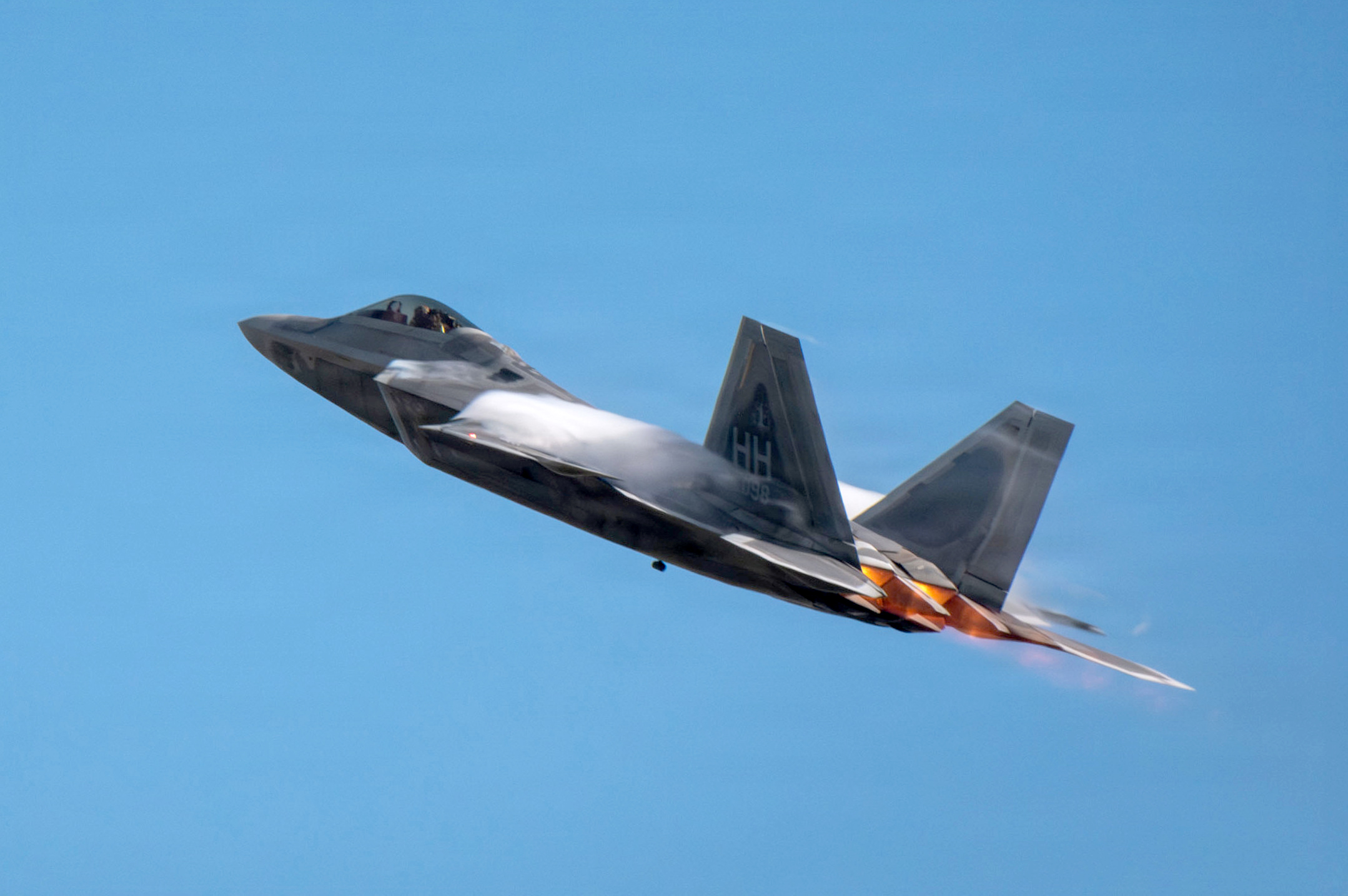
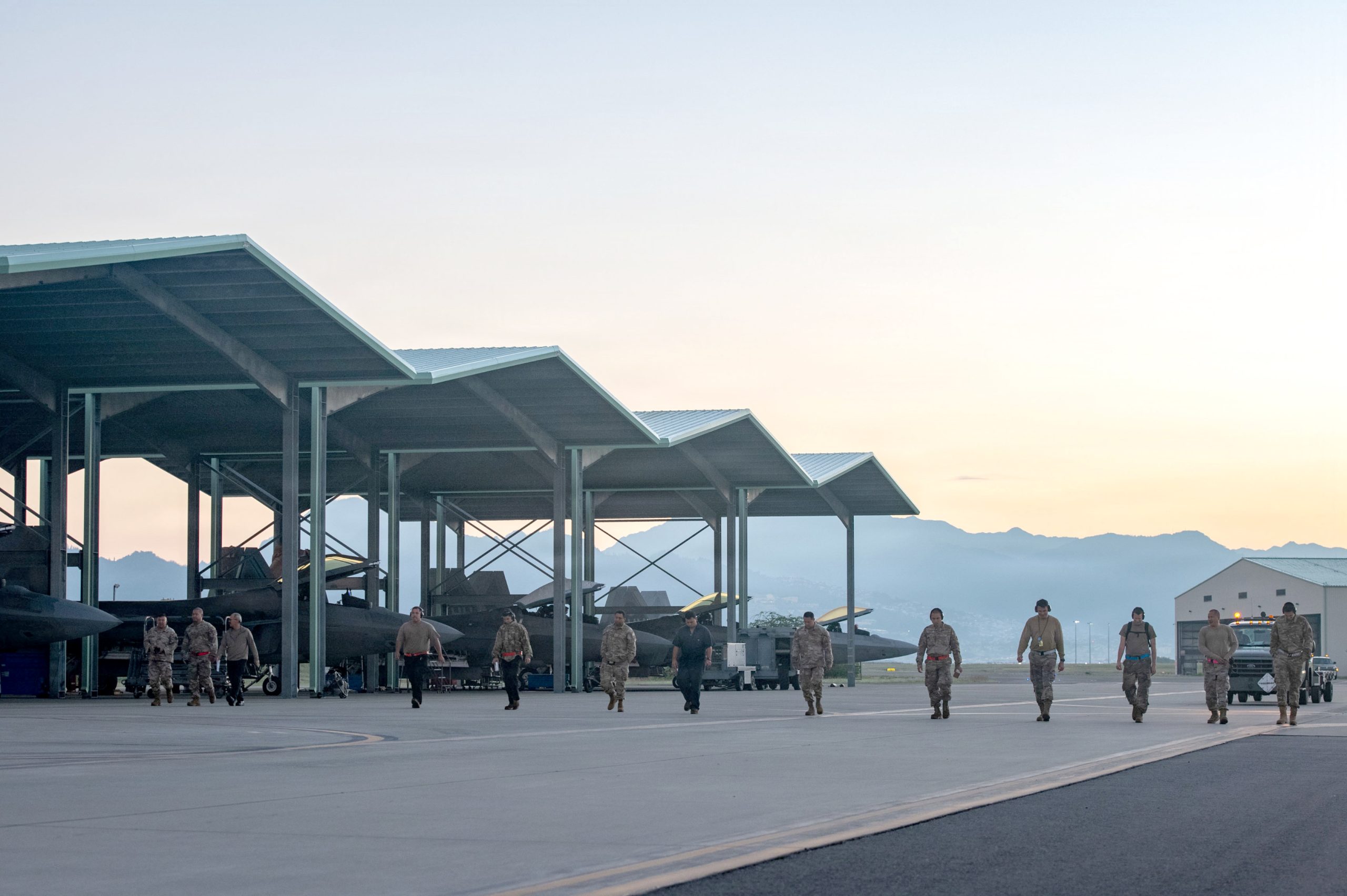
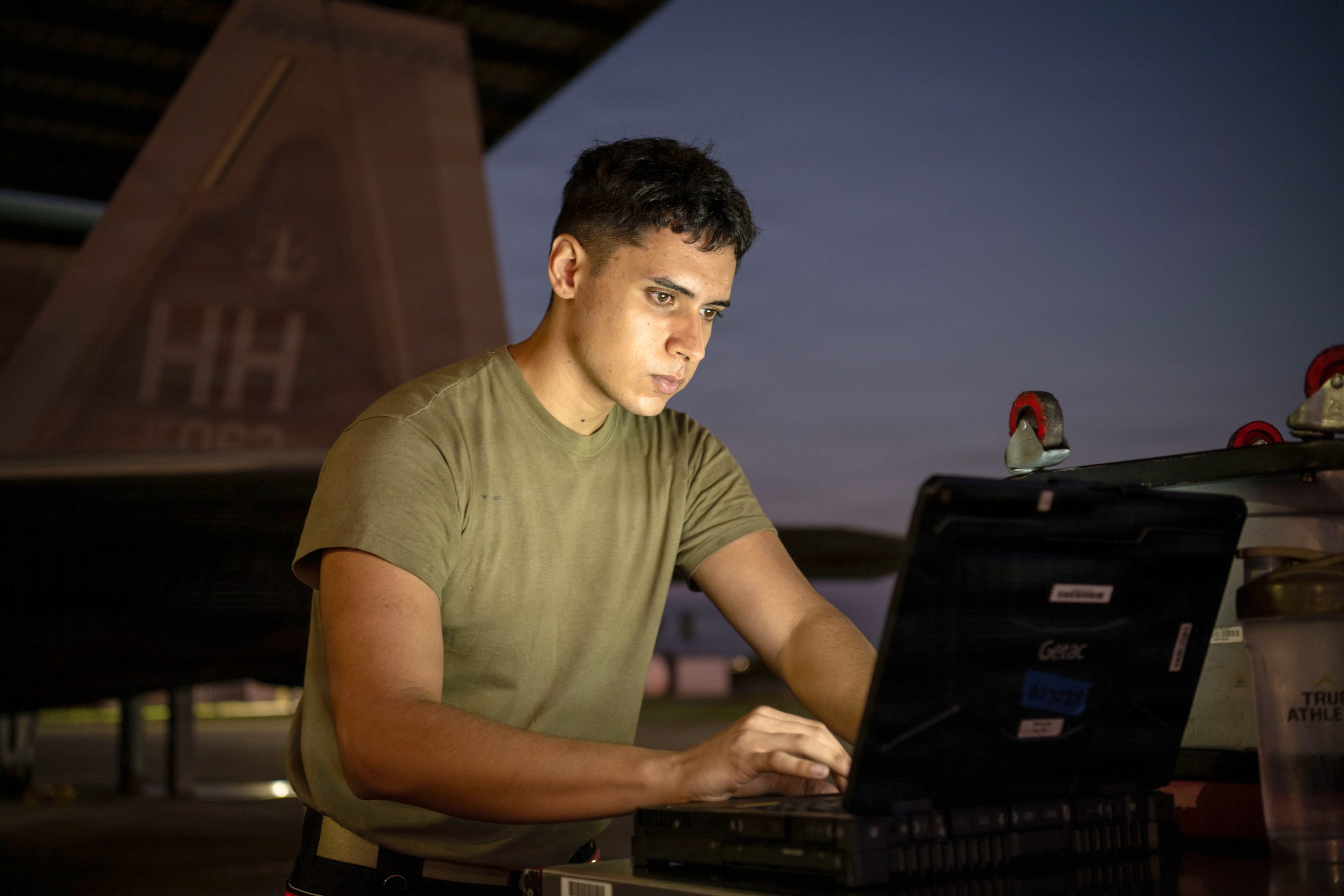
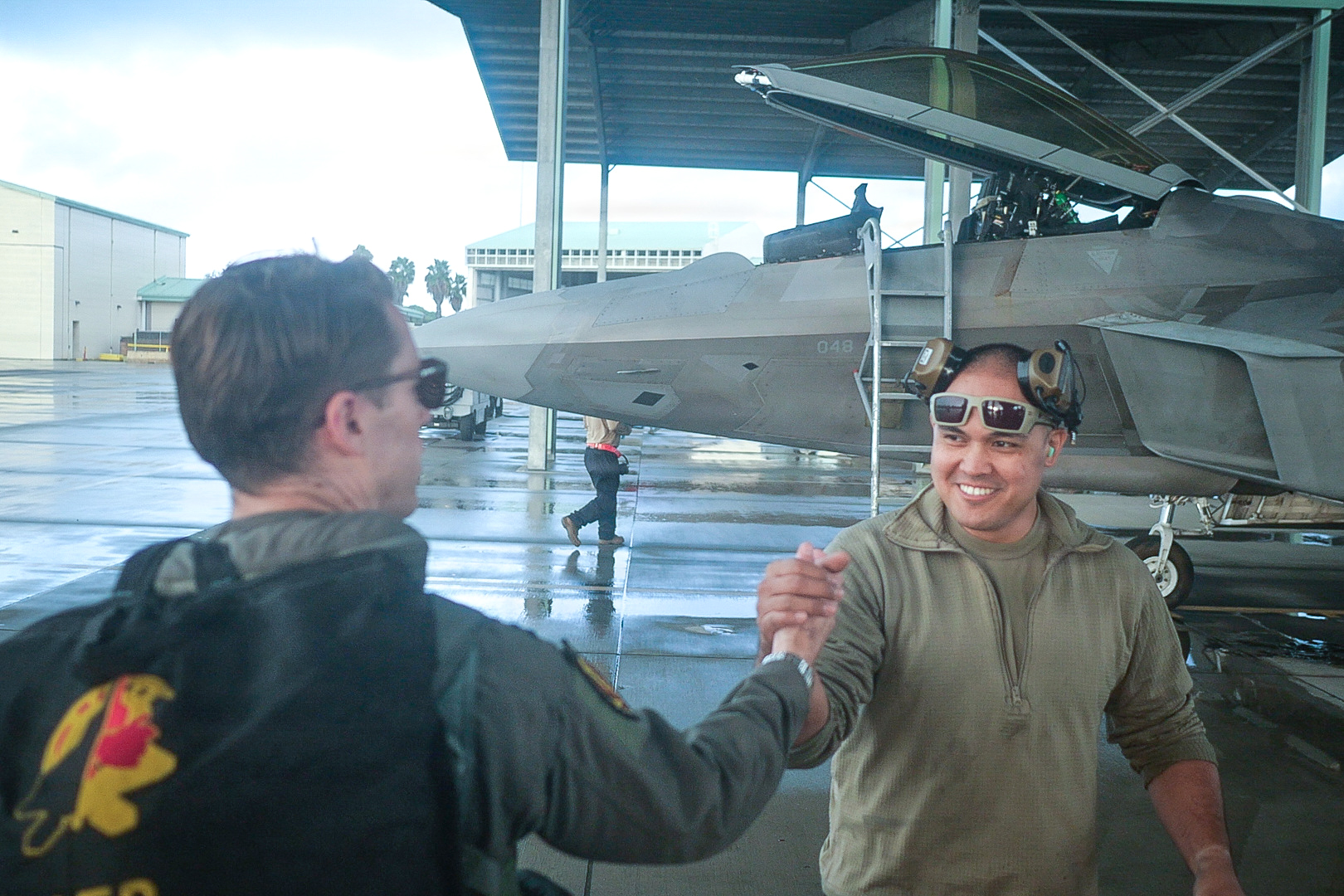
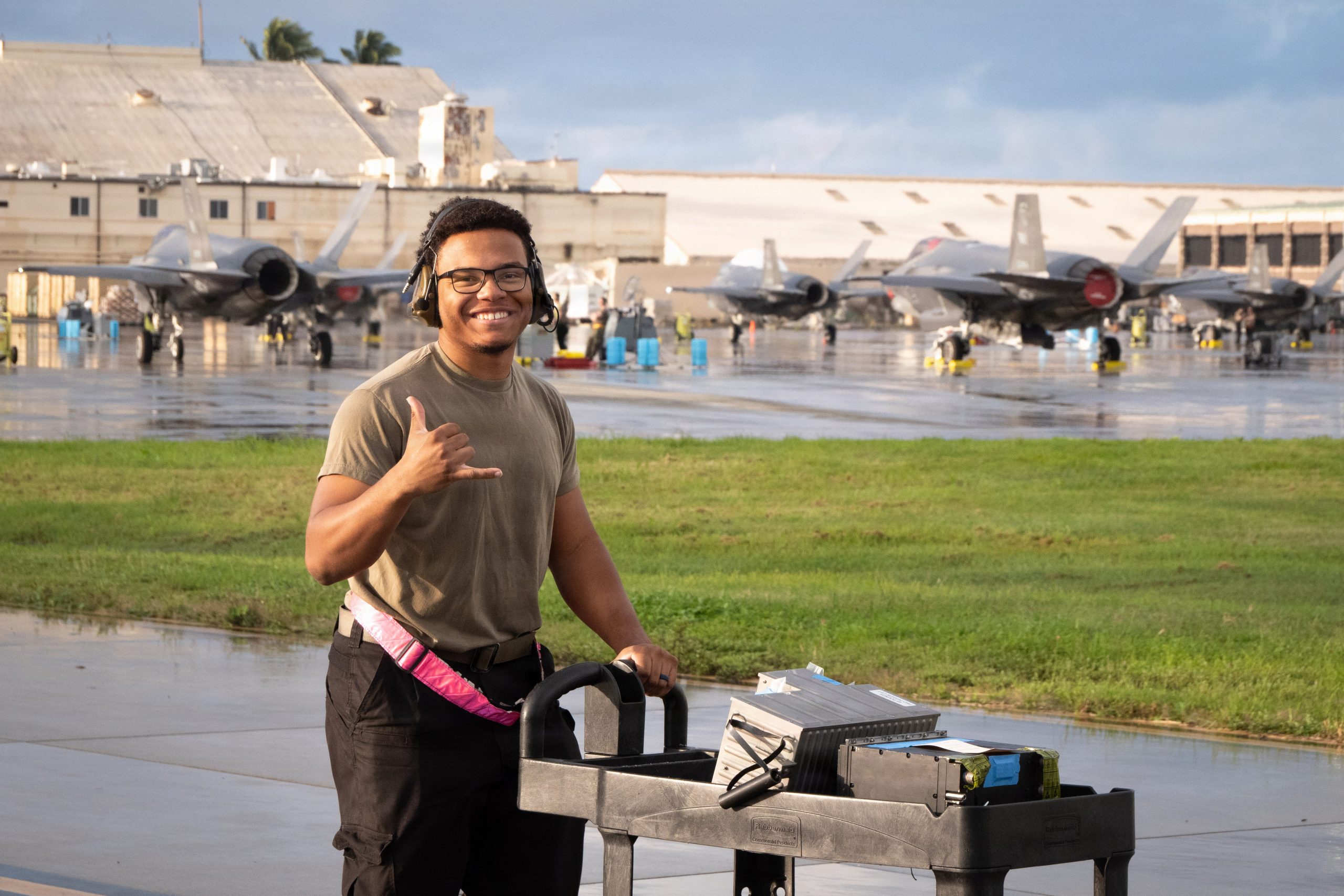

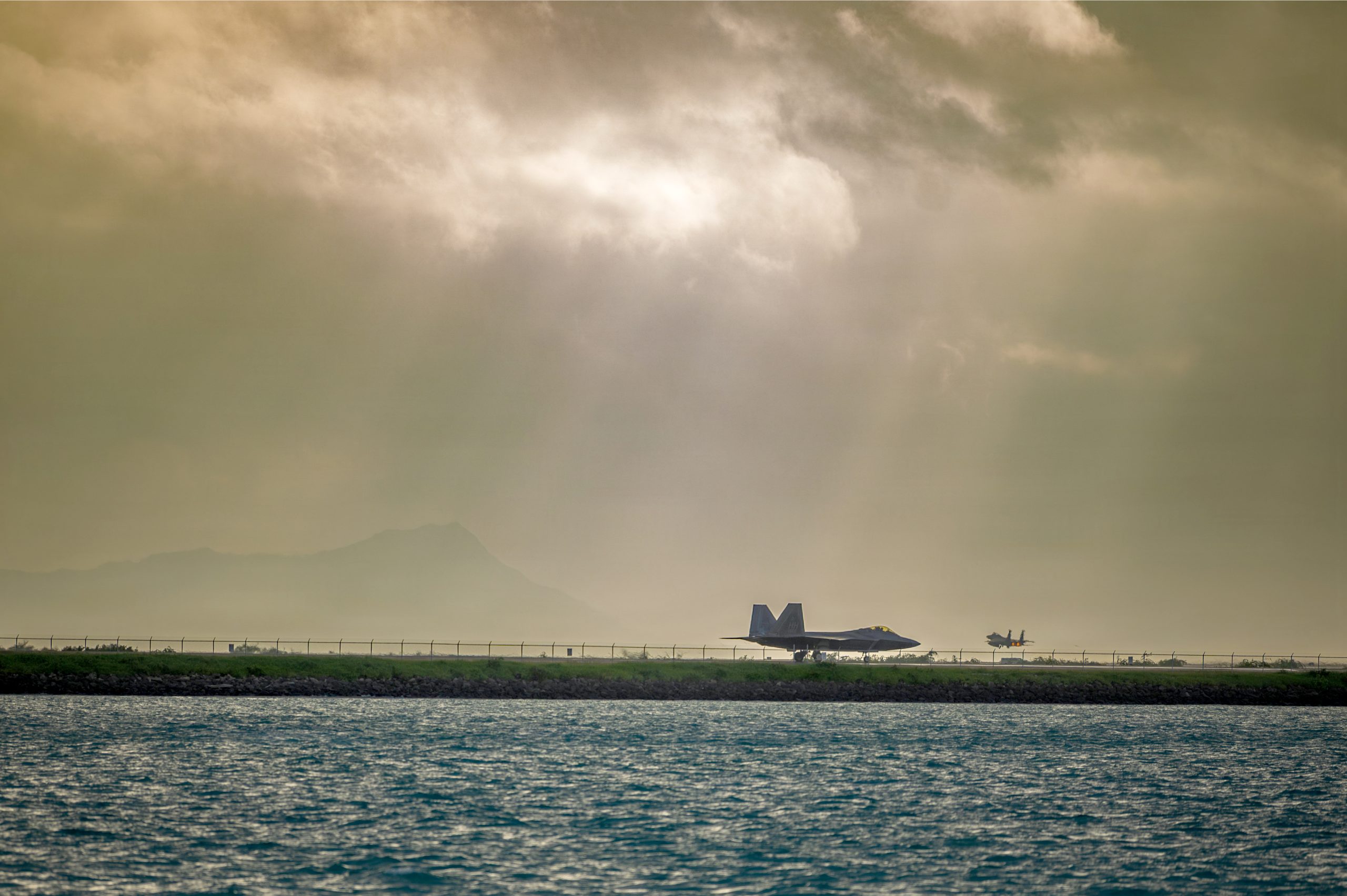
The Hawai‘i Air National Guard hosted approximately 1,000 personnel and more than 40 aircraft from across the U.S. and Australia as part of this year’s Sentry Aloha exercise, held Jan. 14-28 on Oahu.
Sentry Aloha is a recurring National Guard Bureau exercise hosted by the Hawai‘i ANG’s 154th Wing. It provides tailored, cost-effective, and realistic combat training for the Air National Guard, U.S. Air Force, and other Department of Defense services, ensuring warfighters possess the skills necessary for both homeland defense and overseas combat.
This iteration of Sentry Aloha brings together more than 40 aircraft to practice core aerial combat capabilities and strengthen the total-force integration between active-duty, Guard, and international partner units.
The following units and aircraft participated in Sentry Aloha:
- 154th Wing (Hawai‘i Air National Guard): F-22 Raptor and KC-135 Stratotanker
- 115th Fighter Wing (Wisconsin Air National Guard): F-35A Lightning II
- 128th Air Refueling Wing (Wisconsin Air National Guard): KC-135 Stratotanker
- 159th Fighter Wing (Louisiana Air National Guard): F-15C Eagle
- 155th Air Refueling Wing (Nebraska Air National Guard): KC-135 Stratotanker
- 153rd Airlift Wing (Wyoming Air National Guard): C-130H Hercules
- 3rd Wing (Joint Base Elmendorf-Richardson, Alaska): E-3 Sentry
- 552nd Air Control Wing (Tinker Air Force Base, Okla.): E-3 Sentry
- Airborne Tactical Advantage Company (Hawai‘i): MK-58 Hawker Hunter
- Royal Australian Air Force: Support personnel
These visiting units integrated with the 199th and 19th Fighter Squadrons’ Hickam-based “Hawaiian Raptors” for high-intensity simulated combat.
For many visiting Airmen, the unique geography of the Hawaiian Islands provided challenges that can’t be replicated on the continental U.S.
“Operating in a tropical climate, vice, where we operate in Wisconsin, when the high tomorrow is going to be negative eight, it’s a very different feeling for how we go to fight a lot of other factors that we don’t normally deal with, such as the constant potential for rain showers just to pop up,” said Capt. Nathan Moll, 115th Fighter Wing F-35 pilot. “Fighting and executing our tactics over water, it’s not something you can do everywhere, so it’s certainly a valuable training exercise for us; we are 100 percent practicing how we play.”
Capt. Nathan Moll, 115th Fighter Wing F-35 pilot. “Fighting and executing our tactics over water, it’s not something you can do everywhere, so it’s certainly a valuable training exercise for us; we are 100 percent practicing how we play.”
During the exercise, units utilized Marine Corps Base Hawai‘i at Kaneohe Bay as a simulated ‘spoke’ location. This forced fifth-generation aircraft to operate away from their primary infrastructure at Hickam. This environment tested their ability to maintain high-tempo operations and advanced data-sharing in a decentralized setting, ensuring these stealth platforms remain lethal even when traditional hubs are targeted.
The exercise required significant logistical coordination, with the Sentry Aloha team orchestrating the movement of more than 1,000 personnel and 124 short tons of cargo within a three-day period.
“Coming over the Pacific, flying long distances, bringing all the cargo, the logistics and how everything flows is a big learning curve for them,” said Senior Master Sgt. Brian Kealoha, Sentry Aloha maintenance planner. “Everything has to fly. Understanding how all those pieces work—transitioning aircraft, ensuring tanker support, and refueling—is a massive movement for a fighter unit traveling long distances.”
This level of immersion ensures that members are not just trained, but thoroughly prepared to respond to any conflict when called upon, particularly when integrating with partnered units as a unified team.
SENTRY ALOHA 26-1 BY THE NUMBERS
Overall mission effectiveness
- Sortie completion rate – Goal: 95% Actual: 87%
Air operations
- Total sorties – Scheduled: 199 Flown: 420
- Ready aircrew program events- FTR only: 501
- Ugrade events accomplished: 24
- Mission Commander Certifications: 10
- Flight Lead Upgrade Events: 7
- Mission Qualification Events: 4
- Mission Qualification Certification: 1
Refueling operations
- Receivers refueled: 292
- Fuel offloaded: 2,200,000 lbs
Logistics and personnel
- Cargo: 702 short tons
- Passengers: 1,887
- MRA missions: 61
Source: 154th Wing

HAWAI‘I ARMY NATIONAL GUARD
New HIARNG recruiting award recognizes its first recipients
By Jenna Verhasselt
State of Hawai‘i Department of Defense Public Affairs
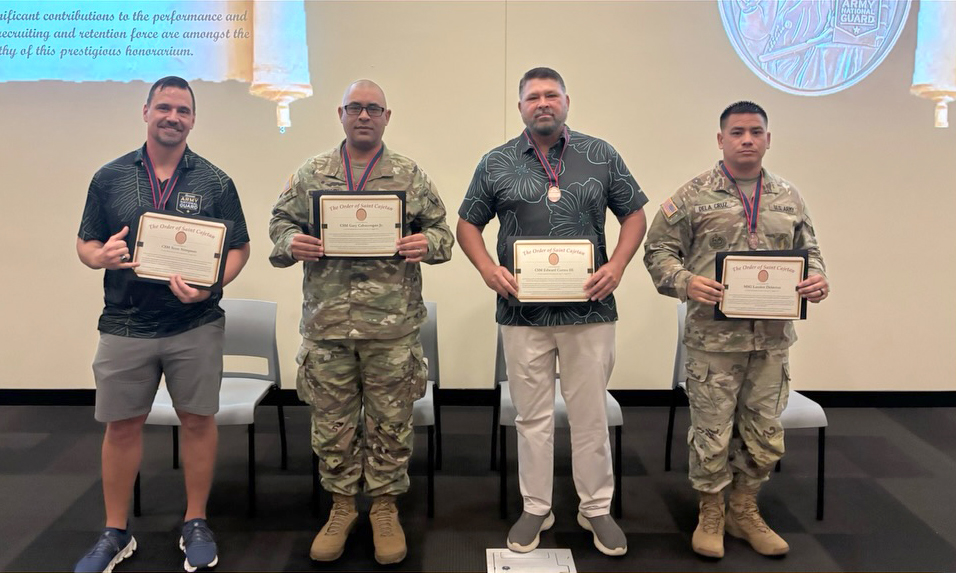
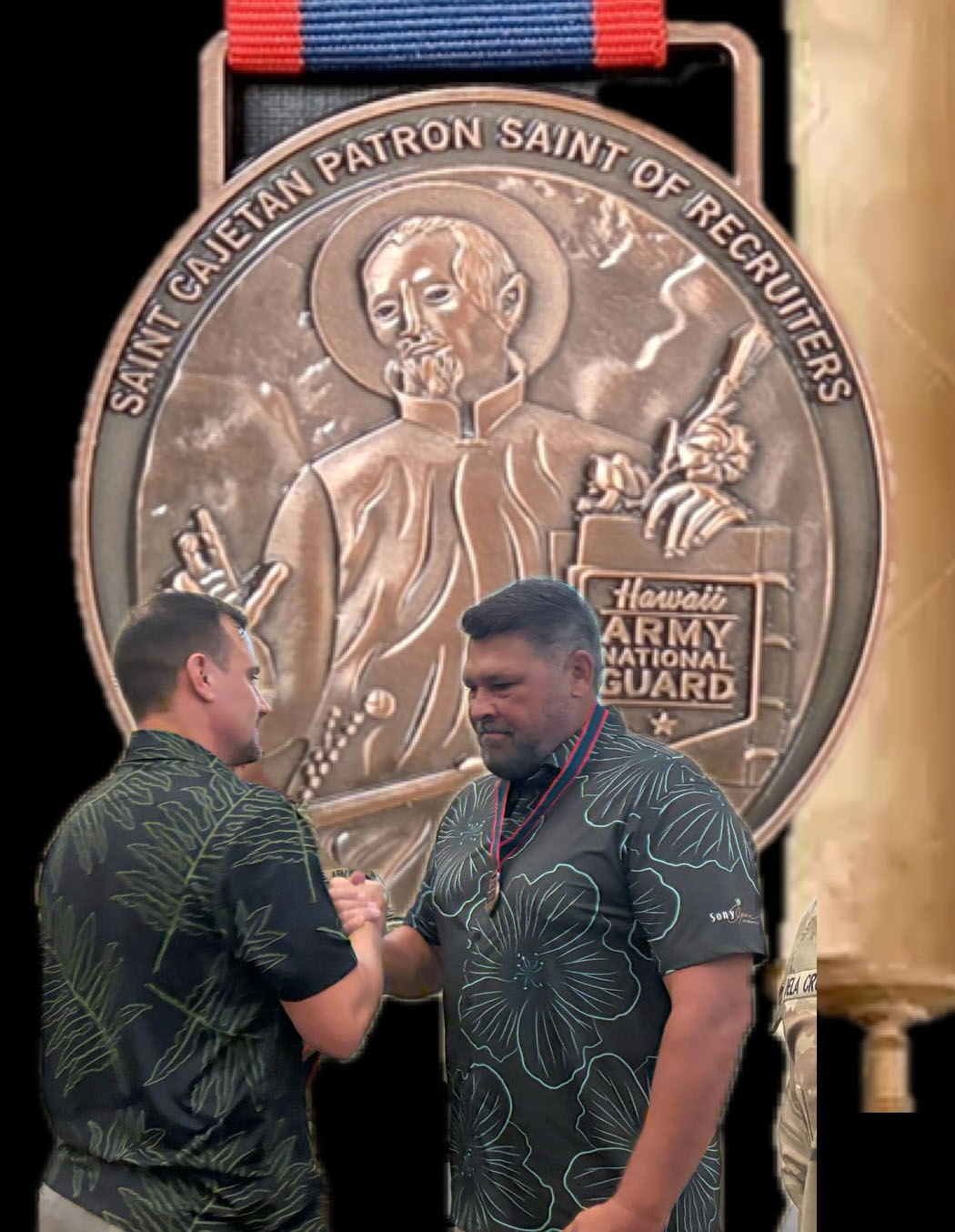

The Hawaiʻi Recruiting Association recently established a new award to recognize recruiting excellence in the Hawaiʻi Army National Guard. The first ever recipients of the award, the Order of Saint Cajetan, are Command Sgt. Maj. Gary Cabacongan, retired Command Sgt. Maj. Scott Stimpson, retired Command Sgt. Maj. Edward Correa and Master Sgt. Landen Dela Cruz.
This order will recognize prolonged recruiting excellence, honor those who have made a lasting impact on mission success and help inspire the next generation of recruiting professionals.
“Earning the Saint Cajetan award is a remarkable achievement, signifying a high level of excellence and dedication for those who have achieved long-term exceptional service to recruiting and retention efforts,” said Cabacongan. “This prestigious honor is reserved for individuals who have demonstrated outstanding commitment and talent in their skill sets, making it a truly elite accolade within the 79T (Recruiting and Retention NCO) MOS (Military Occupational Specialty) community.”
Saint Cajetan was active during the Renaissance period and was known as the patron saint of the unemployed, gamblers, the lowly document handlers and lastly, for good fortune. Just as Saint Cajetan focused on restoring strength and stability, recruiters work every day to sustain and strengthen the Hawaiʻi Army National Guard through the people they enlist.
HAWAI‘I ARMY NATIONAL GUARD
Aviation regiment returns home after supporting Task Force Sentinel
By Sgt. Casandra Ancheta
117th Mobile Public Affairs Detachment
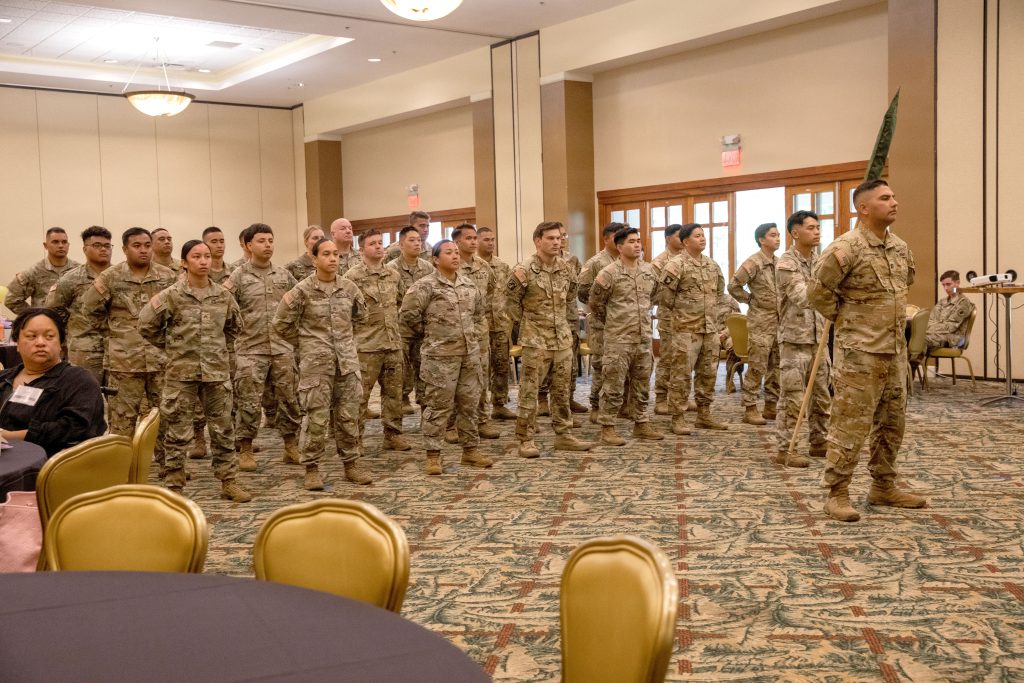
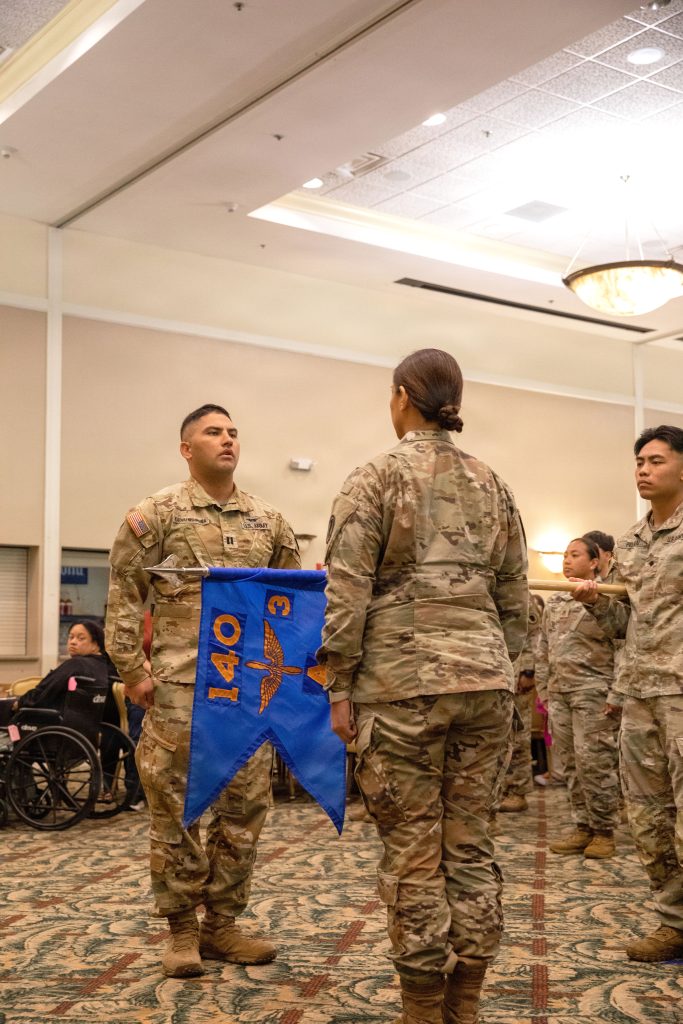
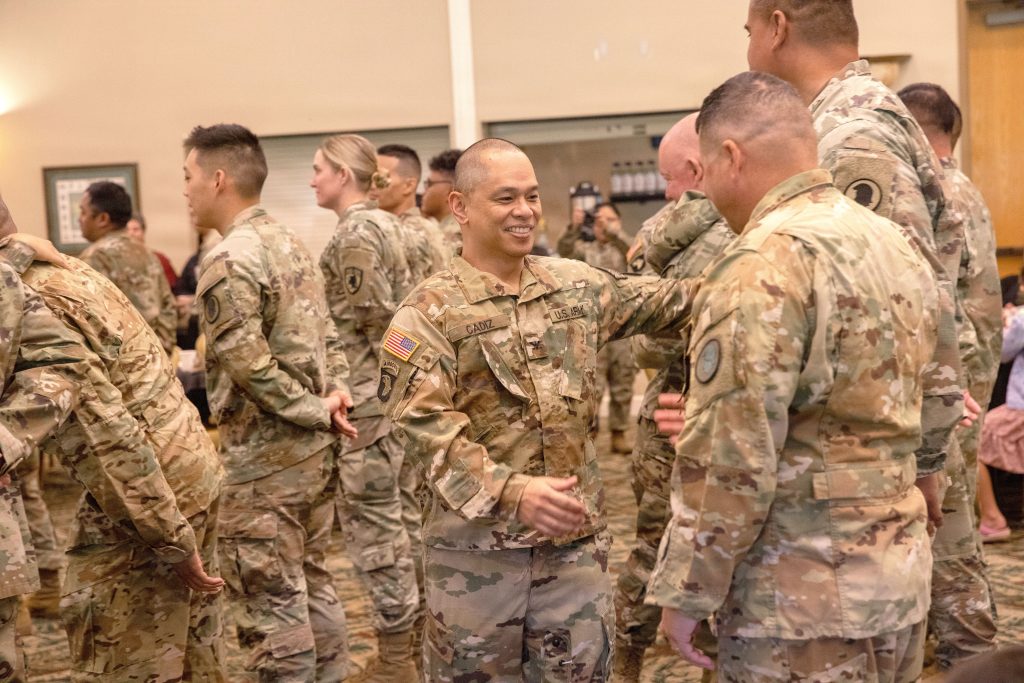
SCHOFIELD BARRACKS, HAWAI‘I — U.S. Soldiers assigned to the Detachment 1, Company A, 3rd Battalion, 140th Aviation Regiment (Det 1 Co A 3-140th AVN), 103rd Troop Command (103rd TC), Hawai‘i Army National Guard (HIARNG) returned home after their 13-month deployment at Schofield Barracks on Jan. 17, 2026.
The 3-140th supported Task Force Sentinel and provided aviation resources needed to detect and deter illegal activities.
“Our mission focused on providing aerial surveillance and reconnaissance, enhancing situation awareness and supporting border security operations,” said 1st Lt. Adam Stone, an aviation officer assigned to Det 1 Co A 3-140th AVN, 103rd TC.
Task Force Sentinel worked closely with the U.S. Northern Command, Department of Homeland Security and National Guard units from Alaska, Arizona, California, Colorado, New Mexico and Nevada.
“Throughout my time with these units, I witnessed our shared dedication to our mission, often navigating complex logistics and operational challenges together,” said U.S. Army Sgt. Kevin Trinh, a LUH-72 Crew Chief assigned to Det 1 Co A 3-140th AVN, 103rd TC. “Throughout my time with these units, I witnessed our shared dedication to our mission, often navigating complex logistics and operational challenges together.”
U.S. Army Capt. Marshall Kaohu-Nishimura, commander of Det 1 Co A 3-140th AVN, 103rd TC, 103rd TC, HIARNG, mentions that the Detachment 1 flew 1,300 hours and assisted in border security operations to detect and deter illegal activities from San Diego, Calif. to Yuma, Ariz.
“You’ve faced adversities with courage and professionalism, and your hard work has made a significant impact in our efforts to support national security,” said Kaohu-Nishimura.
Trinh mentions that in 2025, the border experienced record low encounters and a decrease in apprehensions.
“The collective efforts of every Soldier in the unit made a meaningful and measurable impact on mission success,” said Stone.
The 3-140th returned home to their loved one without any casualties or injuries, marking a successful mission.
“Together, we have accomplished our mission, and I am proud to serve alongside such an exceptional team,” said Kaohu-Nishimura. “Let us carry on with our heads held high, knowing that we have made a difference.”
HAWAI‘I NATIONAL GUARD
HING celebrates State Partnership Program partner Philippine Army’s new National Guard status
By Rachel Blaire
State of Hawai‘i Department of Defense Public Affairs
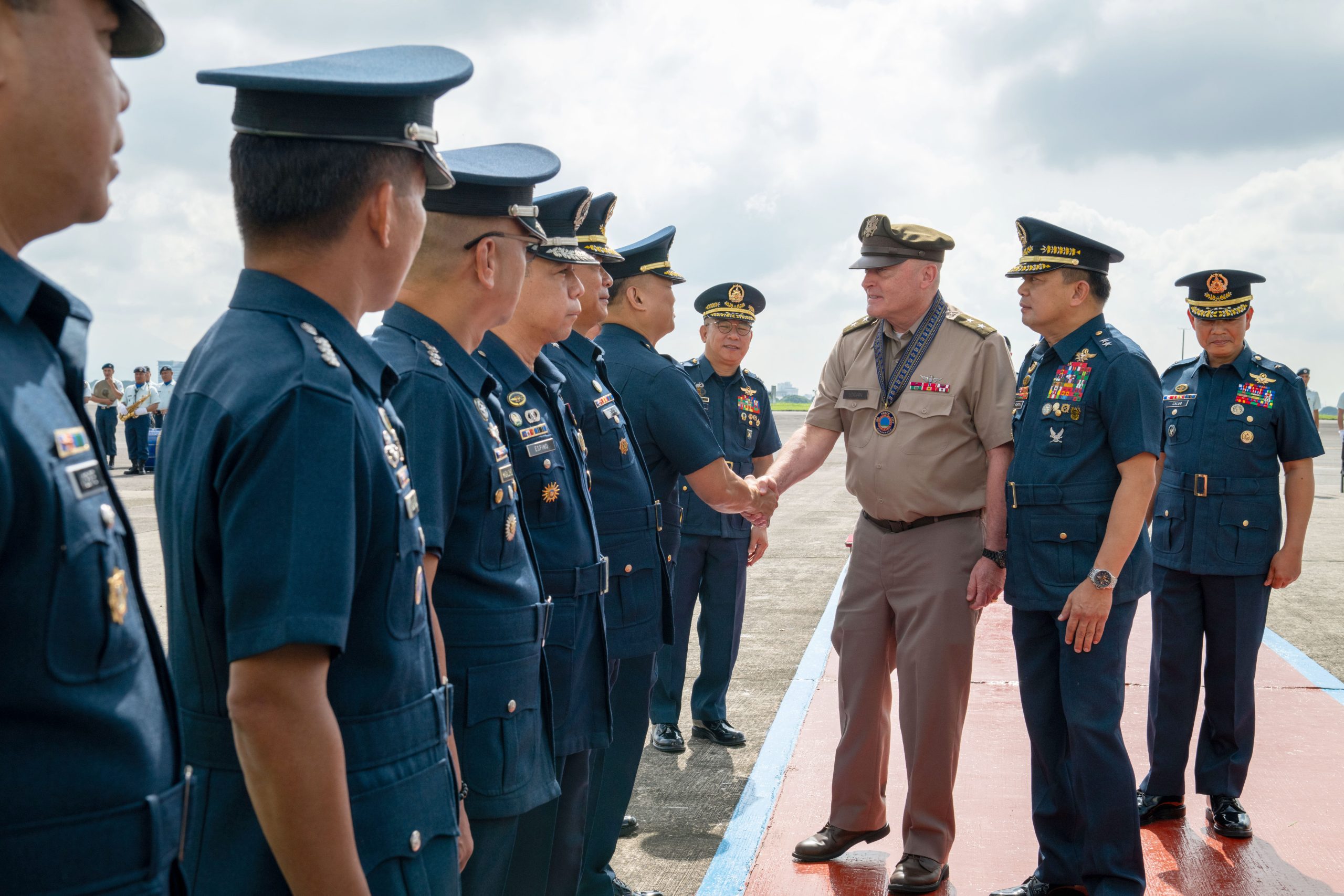

The Philippine Army’s 2nd Infantry Division (2ID) formally launched its new National Guard military status which replaces the Citizen Armed Force Geographical Unit (CAFGU) system, during a Donning of Ranks and Patch Ceremony at Camp Capinpin in Rizal on Dec. 11, 2025.
This transforms auxiliary personnel from the CAFGU structure into a more professional and community-focused National Guard. This forms part of the Philippine Army’s Total Force concept where regular troops, reservists and auxiliaries operate together.
“Being inducted into the National Guard with new ranks and patches gives members a sense of dignity, pride and purpose to make them feel valued as essential partners in national defense,” said Maj. Gen. Ramon Zagala, 2ID commander.
The Hawaiʻi National Guard, through the State Partnership Program has been working with the Philippine Army since 2000. The program calls for military-to-military engagements in support of defense security goals and leverages whole-of-society relationships and capabilities to facilitate broader interagency and corollary.
“We in the Hawaiʻi National Guard are proud of the 2ID’s landmark achievement in transforming the CAFGU into a professional National Guard modeled after the U.S. National Guards,” said Col. John Udani, Hawaiʻi National Guard director of military support.
In 1987, the CAFGU system was created to complement and support the Armed Forces of the Philippines in dealing with internal and external security threats. However, CAFGU members were primarily local militias that had limitations in training, discipline and integration with regular Army units.
“The transformation elevates auxiliary personnel into a more disciplined, trained and community-focused force which improves their role in territorial defense, local security and disaster response,” said Zagala.
Later this year the Hawaiʻi National Guard will partner with the Philippine National Guard to conduct several subject matter expert exchanges.
“We are honored to stand shoulder to shoulder with our partners and share in the pride of this milestone, fully committed to supporting their continued growth and even greater accomplishments in the years ahead,” Udani stated.
HAWAI‘I ARMY NATIONAL GUARD
Change of command for Det 1 Co G 3-126th AVN
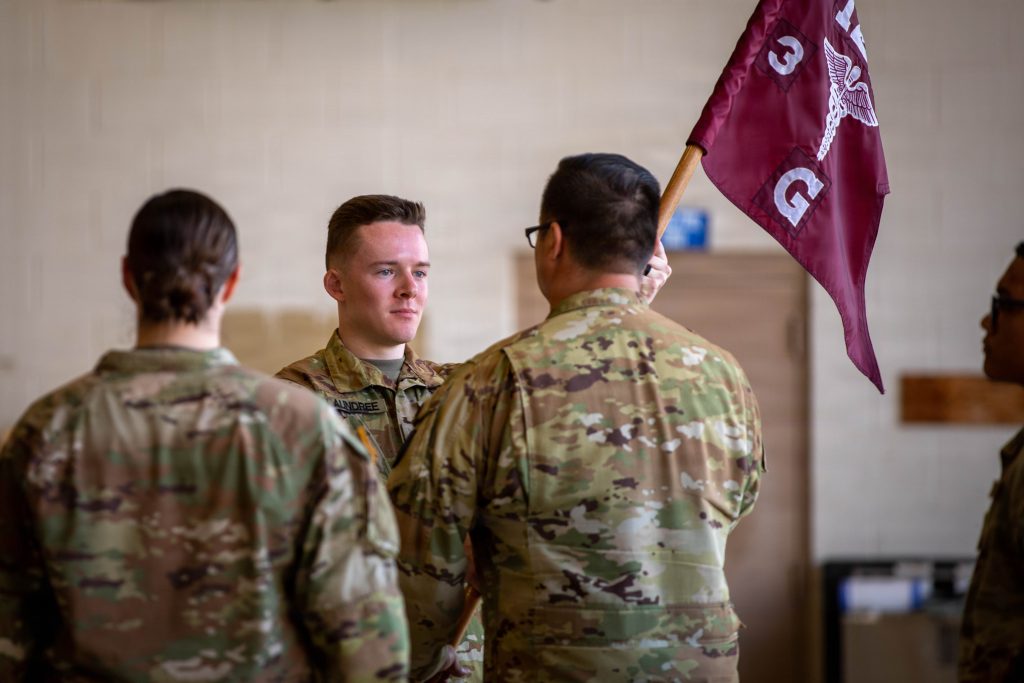 Capt. Sarah-Anne Jordan relinquished command of Detachment 1, Company G, 3rd Battalion, 126th Aviation Regiment (Det 1 Co G 3-126th AVN) to 1st Lt. Alexander Laundree during a change of command ceremony at Wheeler Army Airfield on Feb. 1, 2026. The unit’s mission includes medical resupply, transportation of medical personnel, sling load and rescue hoist operations for supporting units.
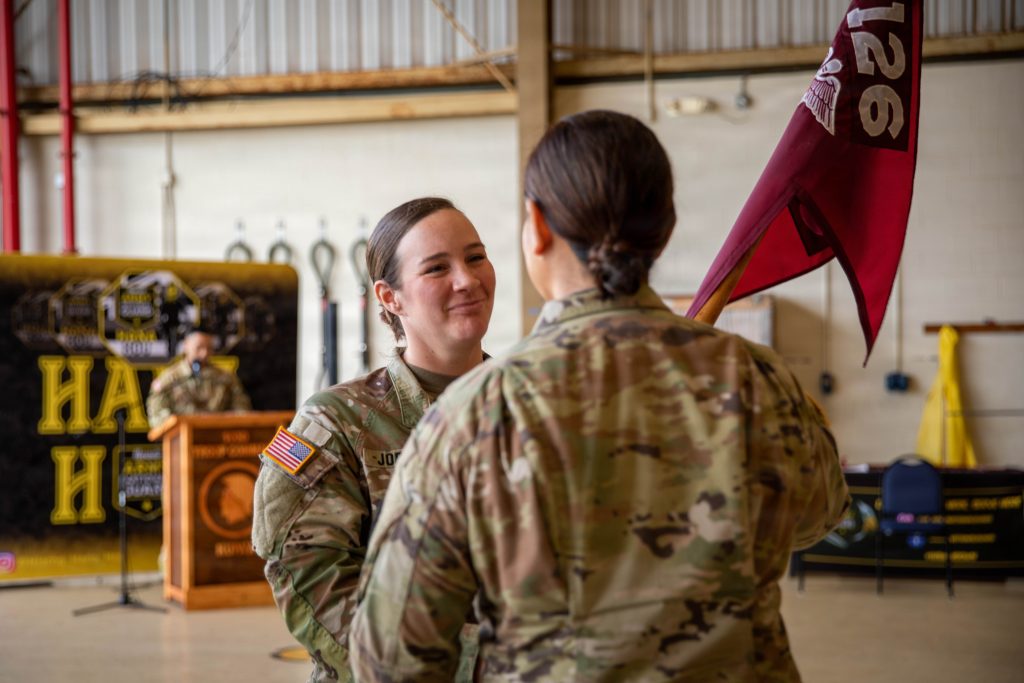 Capt. Sarah-Anne Jordan relinquished command of Detachment 1, Company G, 3rd Battalion, 126th Aviation Regiment (Det 1 Co G 3-126th AVN) to 1st Lt. Alexander Laundree during a change of command ceremony at Wheeler Army Airfield on Feb. 1, 2026. The unit’s mission includes medical resupply, transportation of medical personnel, sling load and rescue hoist operations for supporting units.
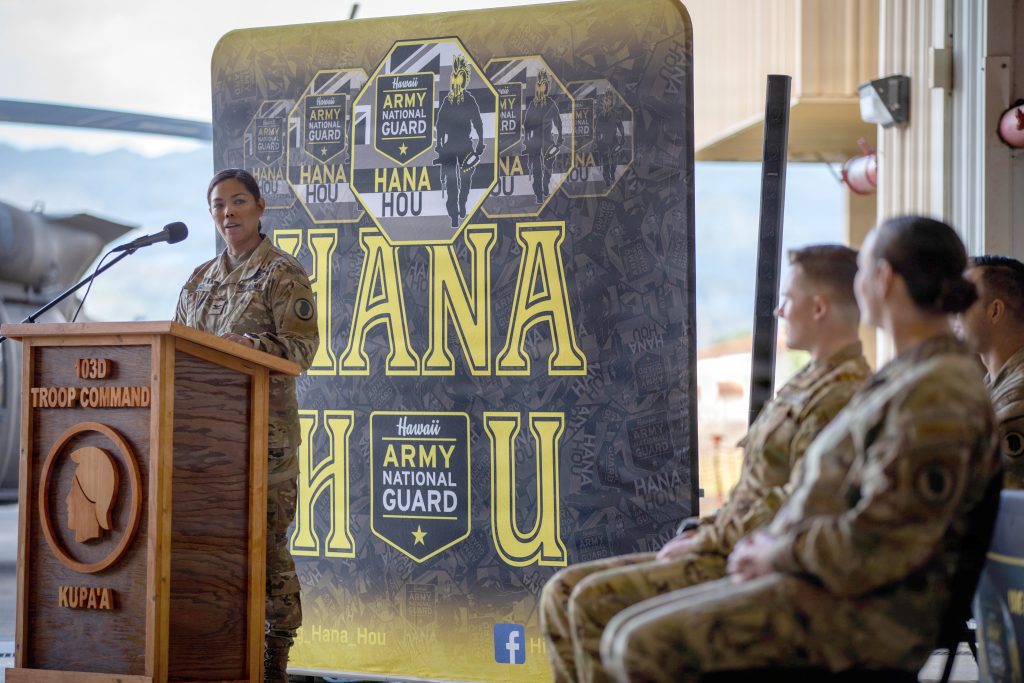 Capt. Sarah-Anne Jordan relinquished command of Detachment 1, Company G, 3rd Battalion, 126th Aviation Regiment (Det 1 Co G 3-126th AVN) to 1st Lt. Alexander Laundree during a change of command ceremony at Wheeler Army Airfield on Feb. 1, 2026. The unit’s mission includes medical resupply, transportation of medical personnel, sling load and rescue hoist operations for supporting units.
Capt. Sarah-Anne Jordan relinquished command of Detachment 1, Company G, 3rd Battalion, 126th Aviation Regiment (Det 1 Co G 3-126th AVN) to 1st Lt. Alexander Laundree during a change of command ceremony at Wheeler Army Airfield on Feb. 1, 2026. The unit’s mission includes medical resupply, transportation of medical personnel, sling load and rescue hoist operations for supporting units.
– U.S. Army National Guard photos by Sgt. Casandra Ancheta
HAWAI‘I NATIONAL GUARD
HING Counterdrug team helps students complete D.A.R.E. curriculum
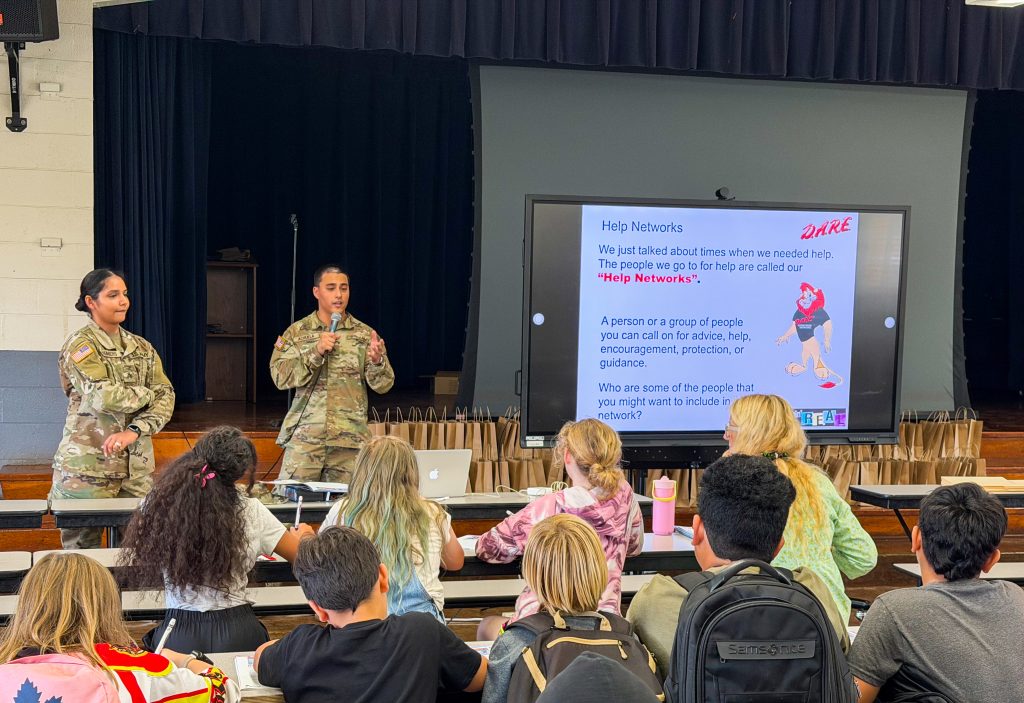 Sgt. Navpreet Chambers and Sgt. Samson Achuela taught Iroquois Point Elementary School students how to be an upstanding citizen.
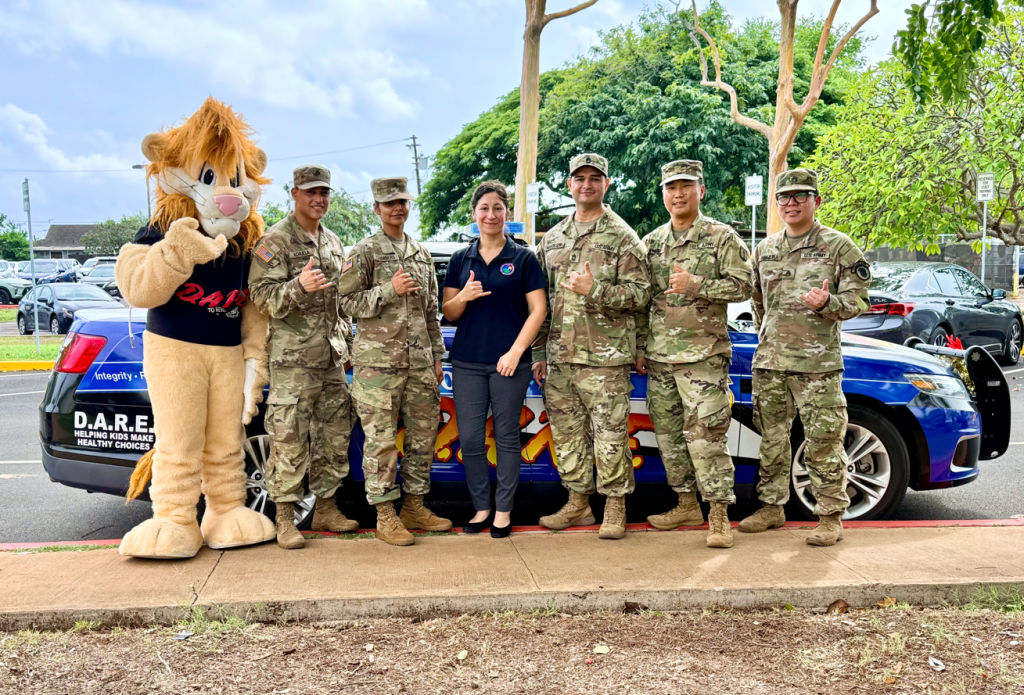 Daren the Lion, Achuela, Chambers, Tech Sgt. Victoria Schlesinger, Sgt. 1st Class Waylen Mendoza, Maj. Brian Kwak and Staff Sgt. Scott Imamura flashed shakas at Iroquois Point Elementary School.
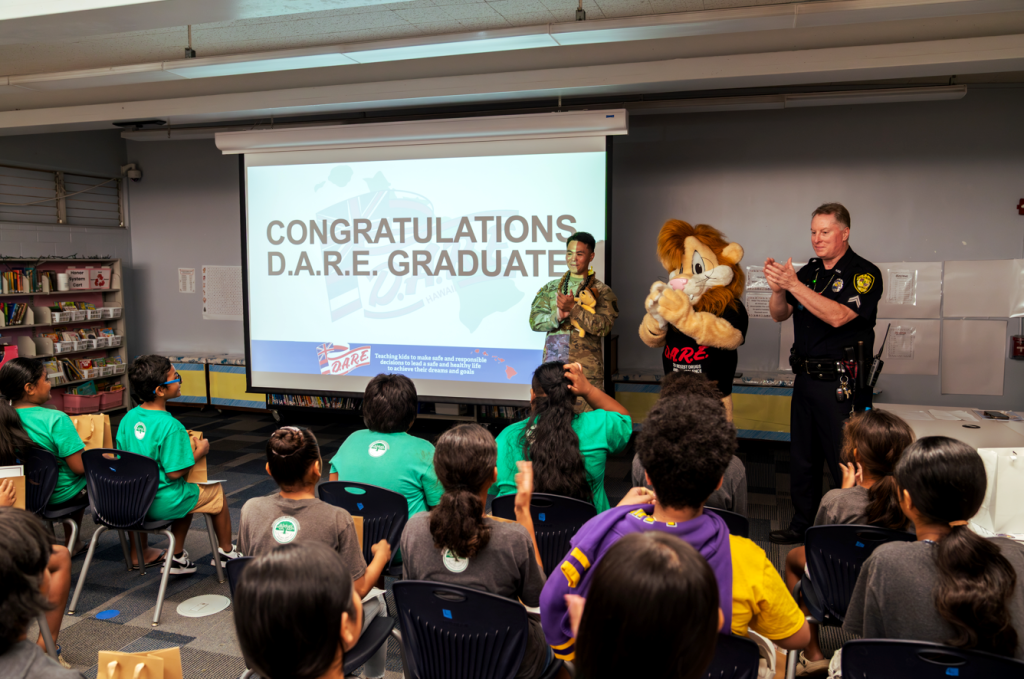 Sgt. Arnold Escano, Daren the Lion and Officer Olmstead congratulated students at Palolo Elementary School
Students at Iroquois Point Elementary School and Palolo Elementary School celebrated the completion of the D.A.R.E. Keepin’ it REAL curriculum during graduation ceremonies held on Dec. 9 and Dec. 15, 2025. A total of 75 students graduated from Iroquois Point Elementary School and 37 students graduated from Palolo Elementary School. The ceremonies were led by D.A.R.E. instructors from the Hawai‘i National Guard Counterdrug Support Program — Sgt. Navpreet Chambers, Sgt. Samson Achuela and Sgt. Arnold Escano and included congratulatory remarks from Honolulu Police Department D.A.R.E. officers and a special appearance by Daren the Lion. The event reinforced the importance of confident communication, resistance skills, effective listening, empowering students to make safe and responsible choices and build positive relationships.
HAWAI‘I ARMY NATIONAL GUARD
HIARNG aviation earns NGB Unit Excellence in Safety Award
By Chief Warrant Officer 5 John Yim
Hawai‘i Army National Guard
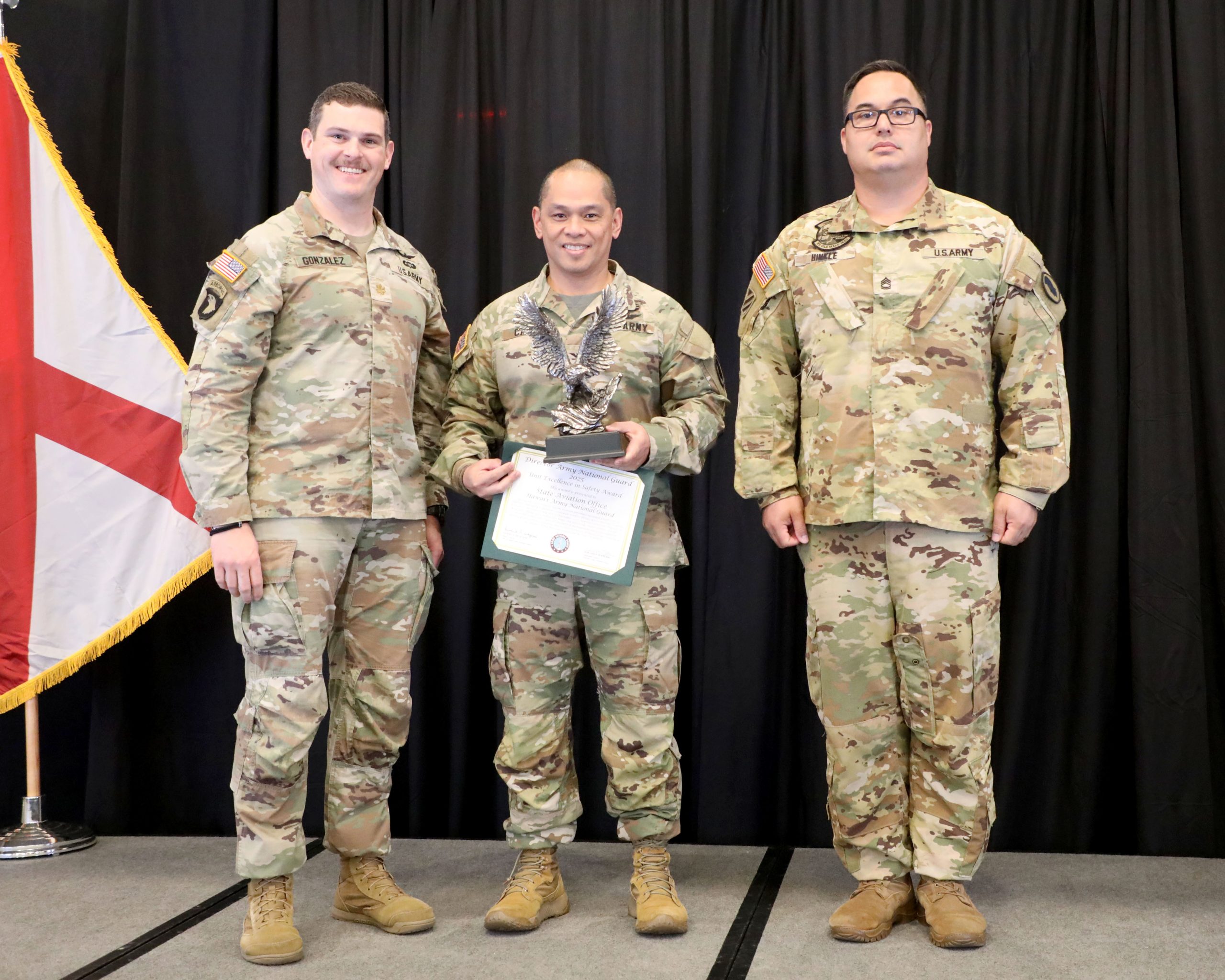
The Hawaiʻi Army National Guard (HIARNG) State Army Aviation Office was awarded the Unit Excellence in Safety Award during the National Guard Bureau (NGB) Annual Safety Conference, held Jan. 20th-22nd, 2026 in Mobile, Ala.
The award was presented by Maj. Ben Gonzalez, Aviation Safety Branch Chief, NGB, to Col. Byron Cadiz, State Army Aviation Officer, and Sgt. 1st Class Bryan Hinkle, representing the 126th Medevac Detachment, on behalf of the HIARNG aviation enterprise.
The Unit Excellence in Safety Award recognizes Army National Guard aviation organizations that demonstrate exceptional performance in risk management, mishap prevention, and safety leadership while conducting complex and high-risk aviation operations. HIARNG aviation units were cited for their disciplined safety culture, strong leadership engagement, and consistent integration of safety principles across all mission sets.
HIARNG aviation forces support a wide range of missions, including aeromedical evacuation, domestic operations, and emergency response throughout the State of Hawaiʻi. This national-level recognition highlights the professionalism and commitment of HIARNG aviation Soldiers and civilians to protecting personnel, equipment, and mission readiness.
STATE OF HAWAI‘I DEPARTMENT OF DEFENSE
History of the State of Hawaiʻi Department of Defense
By Rachel Blaire
State of Hawai‘i Department of Defense Public Affairs
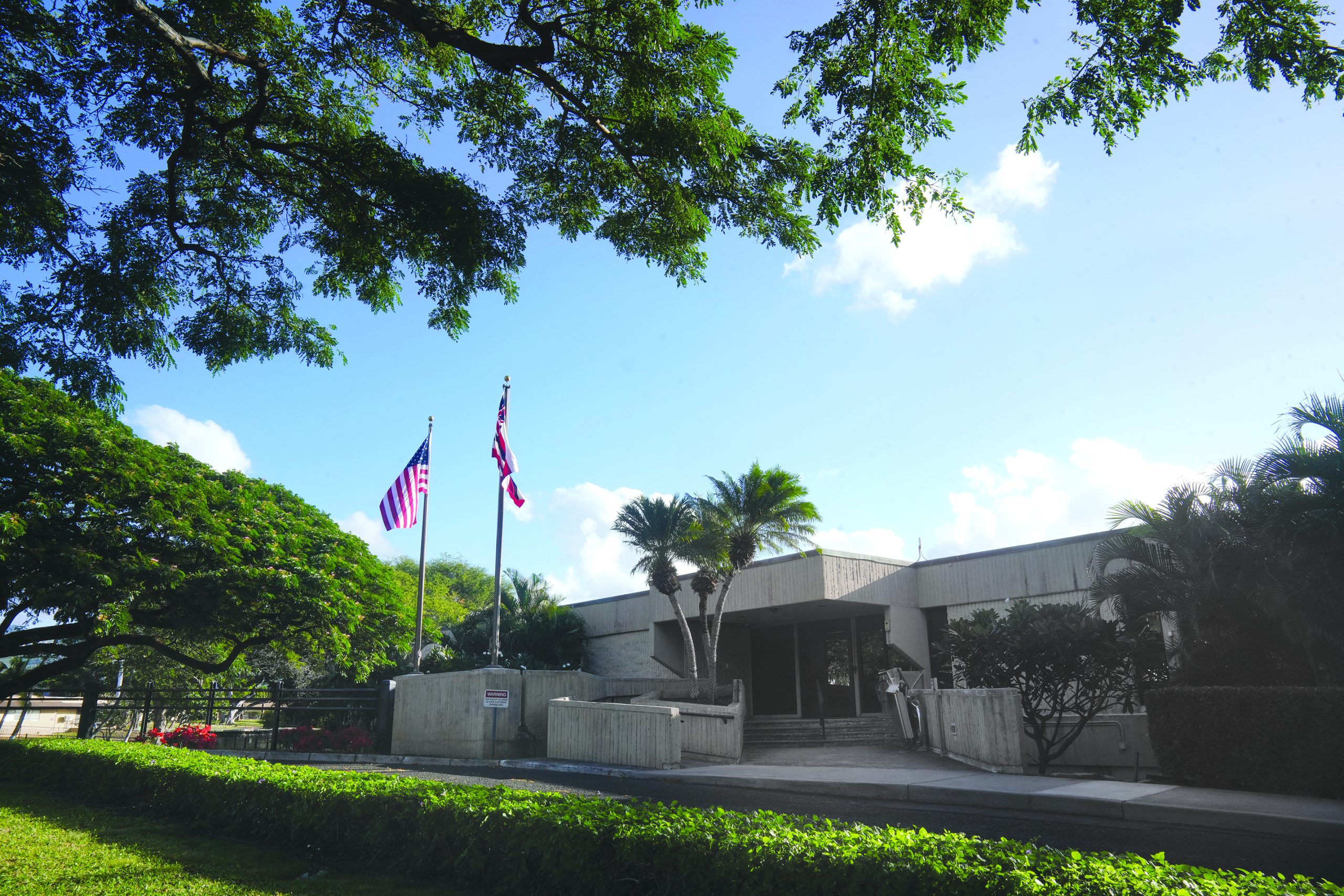

The State of Hawaiʻi Department of Defense (HIDOD), officially established on Jan. 15th 1960, can trace its origins to the Military Department of the Territory of Hawaiʻi formed after WWII to administer the Hawaiʻi Army and Air National Guard under the leadership of the Adjutant General. In preparations for statehood, the State Civil Defense was added as the non-military component of HIDOD.
Amid the Cold War tensions and the Vietnam conflict, is when HIDOD refined its dual federal-state mission and civil defense systems expanded. In 1968, the 29th Infantry Brigade was mobilized for federal duty in Vietnam, marking a pivotal moment in Hawaiʻi’s contribution to national defense.
The 1970s focused on rebuilding and modernization with the Hawaiʻi Air National Guard updating its fleet, and Civil Defense capabilities matured through improved planning and tsunami warning enhancements.
The Hawaiʻi Army National Guard aviation capabilities expanded in the 1980s, while the Hawaiʻi Air National Guard upgraded its fleet with the F-15 Eagle and maintained round-the-clock air defense of the islands. Civil Defense operations advanced with response to Hurricane Iwa and the modernization of statewide emergency systems. The administrative attachment of the Office of Veterans Services in 1988 broadened HIDOD’s community mission. This new division was created to assist the many veterans who call Hawaiʻi home.
The 1990s marked increasing global engagement and domestic operational maturity. Guard units participated in missions from Bosnia to Kosovo while HIDOD responded to major disasters such as as Hurricane Iniki. The opening of the Hawaiʻi State Veterans Cemetery and expansion of youth and community programs including the Youth Challenge Academy, underscored a growing commitment to service.
Following the September 11 attacks, the 2000s brought the largest mobilizations since World War II. The 29th Infantry Brigade Combat Team deployed more than 2,000 soldiers, while Air Guard units supported operations across U.S. Central Command. Concurrently, the department strengthened homeland security coordination, expanded strategic airlift capabilities with a C-17 associate unit and enhanced disaster preparedness through exercises.
Throughout the 2010s, HIDOD adapted to emerging threats with the establishment of the Office of Homeland Security in 2013 and the renaming of the State Civil Defense to the Hawaiʻi Emergency Management Agency in 2014. The Air National Guard’s F-22 program achieved full operational capability, while HIDOD managed complex domestic responses, including the 2018 Kīlauea eruption and Hurricane Lane.
Most recently, the Office of Homeland Security moved to the Department of Law Enforcement and a new division Civil Military Programs was created to support Youth Challenge, STARBASE and State Approving Agency. HIDOD demonstrated extraordinary resilience with more than 1,800 Guardsmen supported statewide COVID-19 operations, followed by large-scale responses to the 2023 Maui wildfires.
Across seven decades, the State of Hawaiʻi Department of Defense has transformed from a territorial military organization into a modern, integrated defense enterprise. Anchored by the Hawaiʻi Army and Air National Guard, Hawai‘i Emergency Management Agency, Office of Veterans Services and Civil Military Programs, HIDOD remains committed to safeguarding the people of Hawaiʻi while contributing decisively to national defense.
HAWAI‘I ARMY NATIONAL GUARD
Linnell promoted and takes command of Troop C, 1-299th CAV
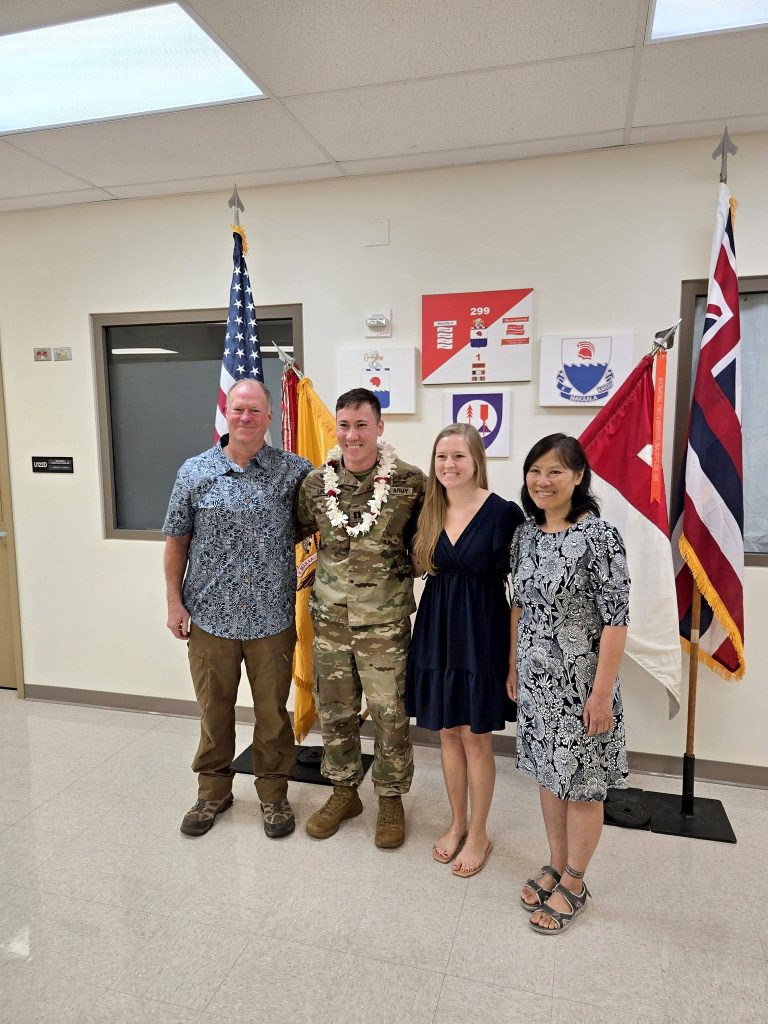
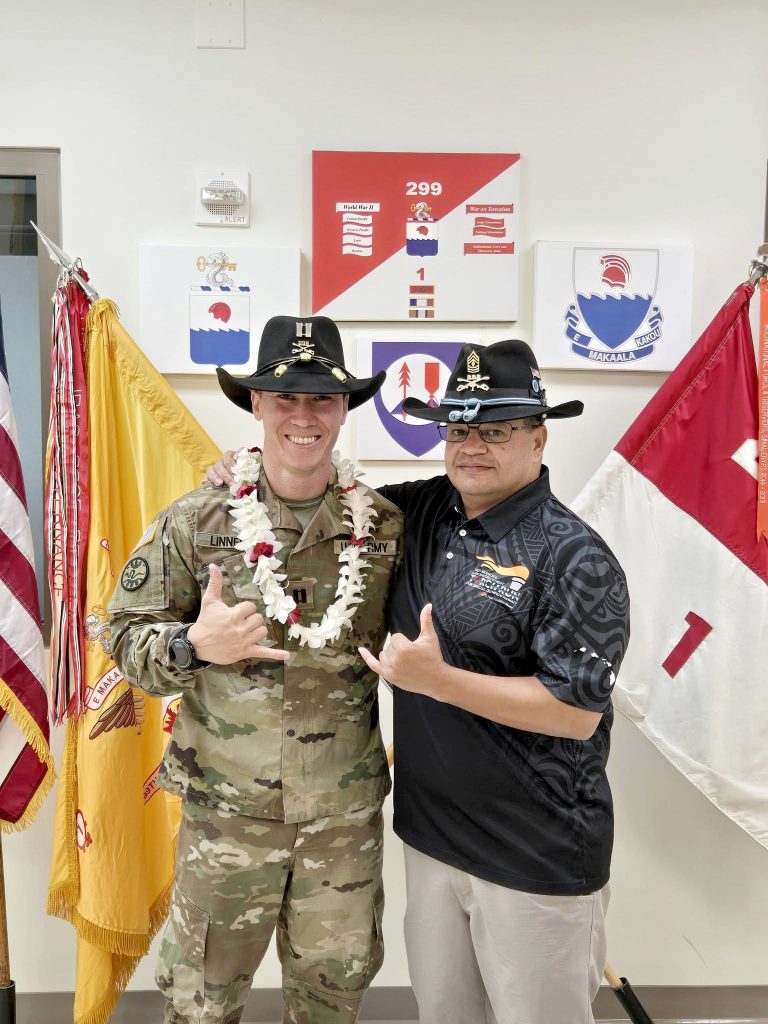
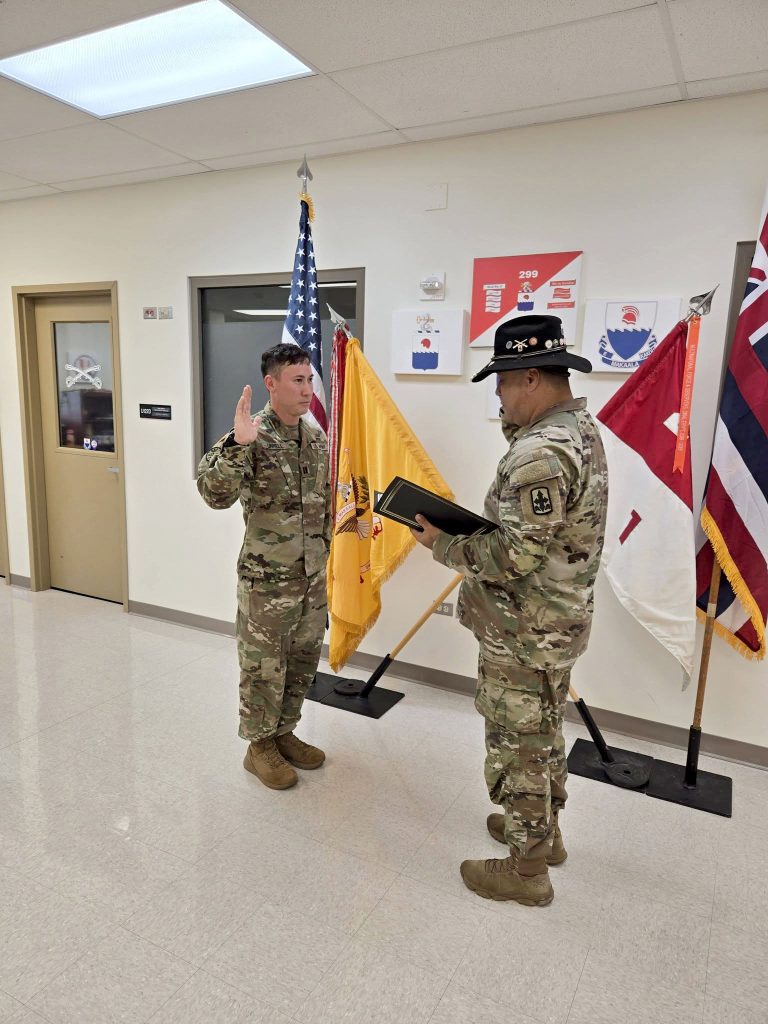
A promotion ceremony was held for Capt. Jordan K. Linnell at the Keaukaha Military Reservation facilities in Hilo on Jan. 23, 2026. He was joined by his parents Mike and Romy Linnell, and girlfriend Dana Harp. He takes command of Troop C, 1st Squadron, 299th Cavalry Regiment (1-299th CAV) which is a dismounted reconnaissance troop based on Kaua‘i.
Linnell began his career in 2017 with the Montana Army National Guard and was deployed to Saudi Arabia and Kuwait in 2022. After his deployment, he served as executive officer of his armor company before transferring to the Hawai‘i Army National Guard in 2024. He was an executive officer for Headquarters and Headquarters Troop, 1-299th CAV and later the S4 Officer in Charge. He was named 2025 Officer of the Year after competing and winning the 2025 Best Warrior Competition – Officer Division.
Linnell was born on O‘ahu before moving to Kauai, Guam and then various western states on the mainland. He graduated from Utah State University in 2013 with a Bachelor of Science in Wildlife Biology and later commissioned as a 2nd Lt. in the Army through officer candidate school in 2019.
On the civilian side, Linnell worked as a wildlife biologist for the USDA Wildlife Services in Montana trapping grizzly bears, black bears, wolves and coyotes. He was also a certified aerial gunner, helping control problem coyotes from a helicopter. He currently serves as the district supervisor for USDA Wildlife Services in Hawai‘i. He is also a certified NRA Firearms Instructor and teaches NRA Basic Rifle, Pistol and Shotgun courses.
Linnell expresses deep gratitude for his family, his soldiers and his mentors who’ve influenced him along the way.
– Sherry Macanas photos
HAWAI‘I NATIONAL GUARD
Hawai‘i National Guard collaborates at chaplain subject matter expert exchange
By Tech. Sgt. Orlando Corpuz
Hawai‘i Air National Guard
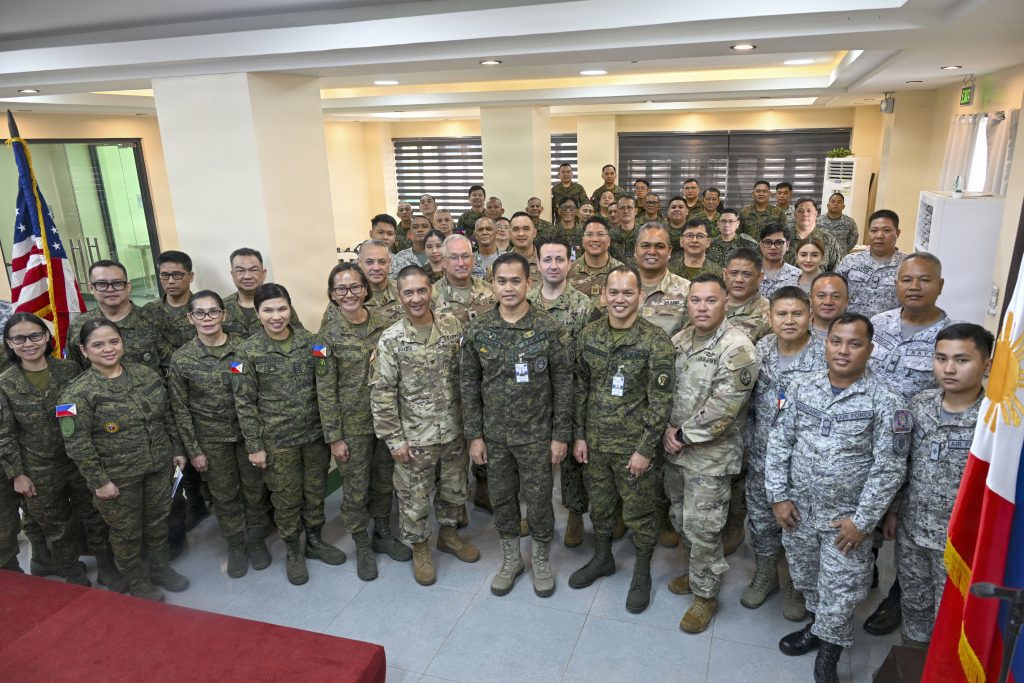 Chaplains and Judge Advocate Generals from the U.S. and Philippine Armed Forces take a group photo during a Subject Matter Expert Exchange, Feb. 18, 2026, Camp General Emilio Aguinaldo, Quezon City, Philippines. The exchange was part of the U.S. National Guard’s State Partnership Program which links a State’s National Guard with foreign partner nations to build long-term, mutually beneficial security relationships. (U.S. Air National Guard photo by Tech. Sgt. Orlando Corpuz)
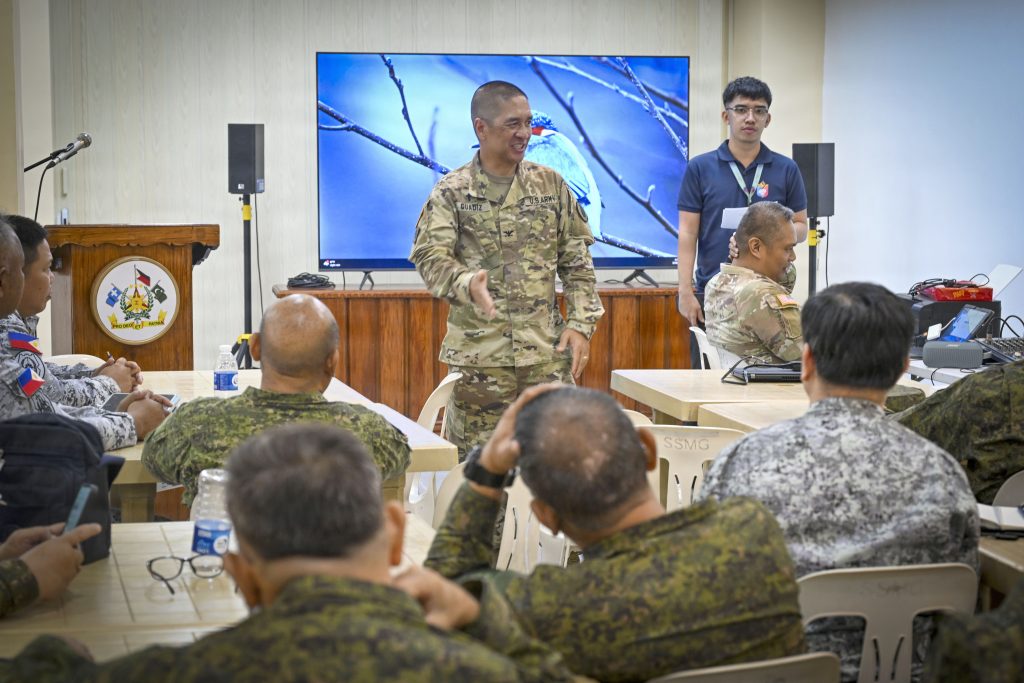 Col. Christopher Guadiz, Hawai‘i National Guard command chaplain, spoke to counterparts from the Armed Forces of the Philippines during a subject matter expert exchange at Camp General Emilio Aguinaldo, Quezon City, Philippines on Feb. 18, 2026. (U.S. Air National Guard photo by Tech. Sgt. Orlando Corpuz)
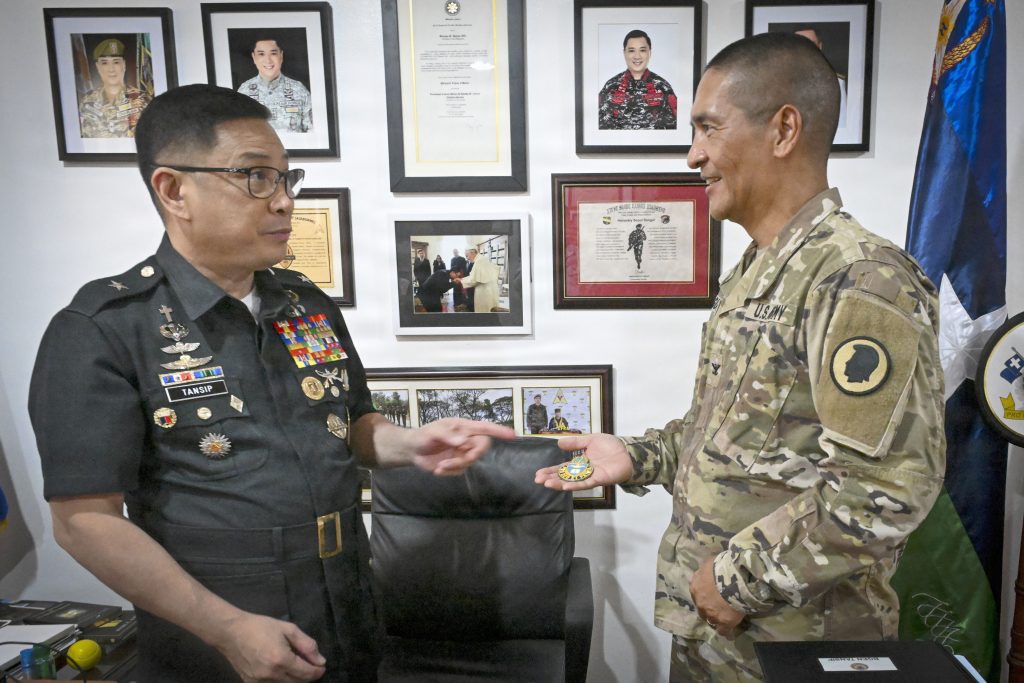 Brig. Gen. Daniel Tansip, Armed Forces of the Philippines chief chaplain, received a coin from Col. Christopher Guadiz, Hawai‘i National Guard command chaplain. (U.S. Air National Guard photo by Tech. Sgt. Orlando Corpuz)
Religious and legal leaders from the Hawai‘i and Guam National Guard joined counterparts from the Armed Forces of the Philippines for a Subject Matter Expert Exchange (SMEE) held Feb. 18–21 at Camp General Emilio Aguinaldo, strengthening alliance cooperation and interoperability in the Indo-Pacific.
Conducted under the U.S. National Guard’s State Partnership Program, the engagement brought together chaplains, judge advocates general (JAG), officers and noncommissioned officers to share professional expertise and reinforce long-standing security ties between the partner forces.
The State Partnership Program links U.S. states and territories with partner nations to build long-term, mutually beneficial security relationships, and participants described the event as a continuation of that effort in the Indo-Pacific region.
“The Indo-Pacific is a geographic area that the Philippines, Guam, and Hawai‘i call home,” said Col. Christopher Guadiz, Hawai‘i National Guard command chaplain. “We are all stakeholders in ensuring we can achieve peace through our collective strength.”
The engagement reflects more than 25 years of cooperation between the Philippines and the Hawaii and Guam National Guard, rooted in shared history and formalized through the 1951 Mutual Defense Treaty. Leaders emphasized that partnerships like the SMEE contribute to regional stability by strengthening trust and coordination among allies.
This year’s exchange marked the second iteration of the SMEE for the Hawai‘i National Guard delegation, who in addition to Guadiz, included an additional Senior Chaplain and a communications expert. The inaugural event for Hawai‘i, held the previous year, focused on chaplain and personnel training, while the 2026 engagement replaced personnel experts with Guam National Guard and U.S. Navy JAGs.
Organizers said the partnership highlighted the complementary roles of legal and religious advisors, who traditionally serve on a commander’s special staff and provide guidance on ethical, legal and spiritual matters.
“It was appropriate that our Philippine counterparts saw lawyers and ministers working together,” said Guadiz. “Historically, ethical military leaders have relied upon these two specialty branches of the military for advice and counsel.”
Training blocks focused on practical skills that directly support mission readiness and ethical leadership. Judge advocate teams discussed maritime law and the legal considerations involved in maritime military and law enforcement operations, while chaplains collaborated on doctrine and solution-focused counseling techniques intended to improve service member care and resilience.
Beyond technical training, attendees highlighted the importance of professional relationships and cultural connections among the forces. Many participating U.S. service members share Filipino heritage, reinforcing personal ties alongside military cooperation.
“As a proud Filipino American, it’s been a true honor to be part of such an endeavor, the cultural ties that the Guam and Hawai‘i National Guard share with the Philippines cannot be overlooked,” Guadiz said. “Many of our Servicemembers are of Filipino heritage.”
By the end of the four-day exchange, participants identified practical tools they could apply in their respective commands and reaffirmed their commitment to collective defense and cooperation.
Officials said engagements like the SMEE demonstrate the enduring partnership among the Philippines, Guam and Hawaii — one built on shared values, mutual respect and a common goal of maintaining peace through cooperation.
During his opening ceremony remarks, Guadiz addressed the audience in native Philippine dialect, saying, “Magkakasama tayo — we’re in this together.”
HAWAI‘I ARMY NATIONAL GUARD
Co B 2-211th AVN change of responsibility
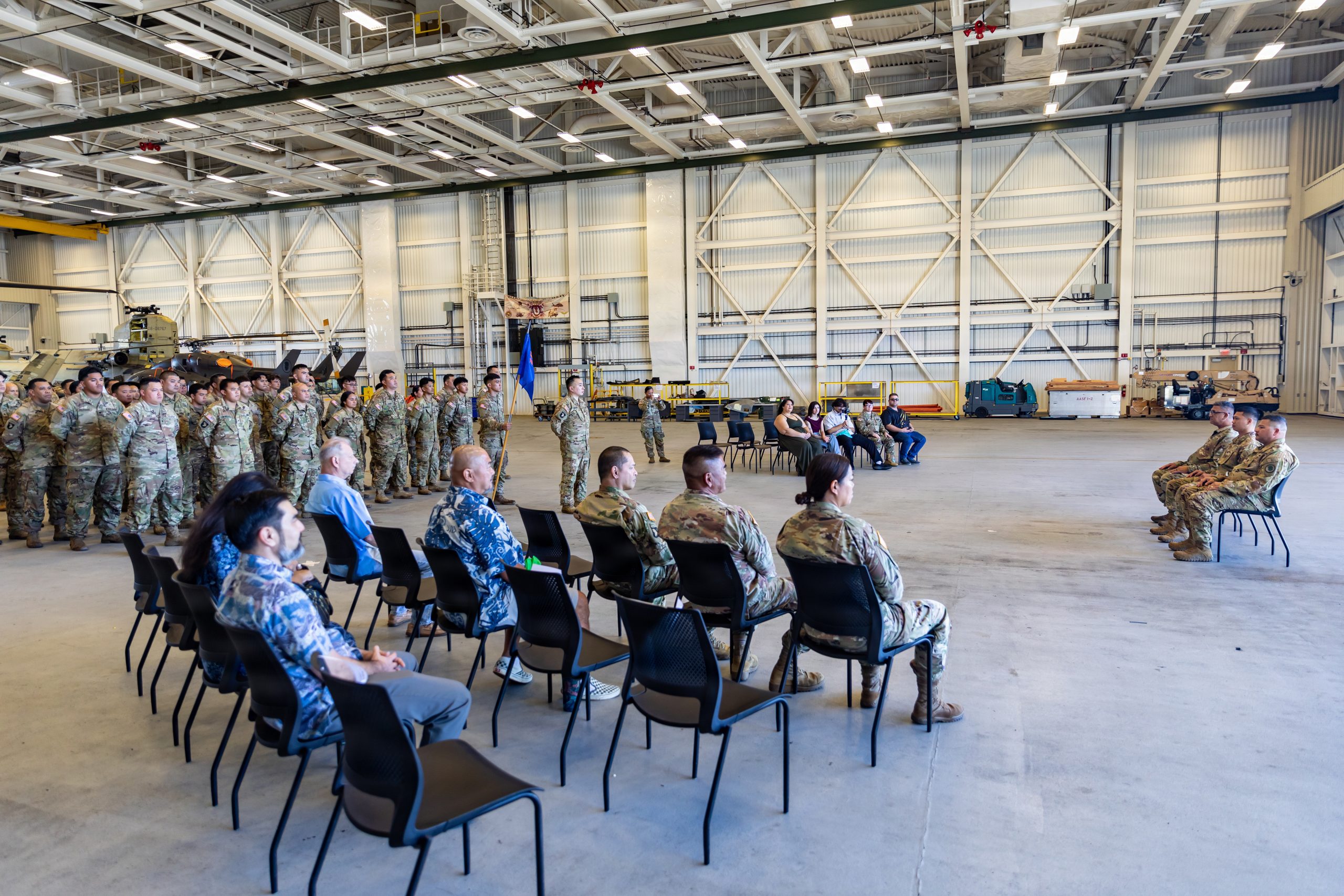
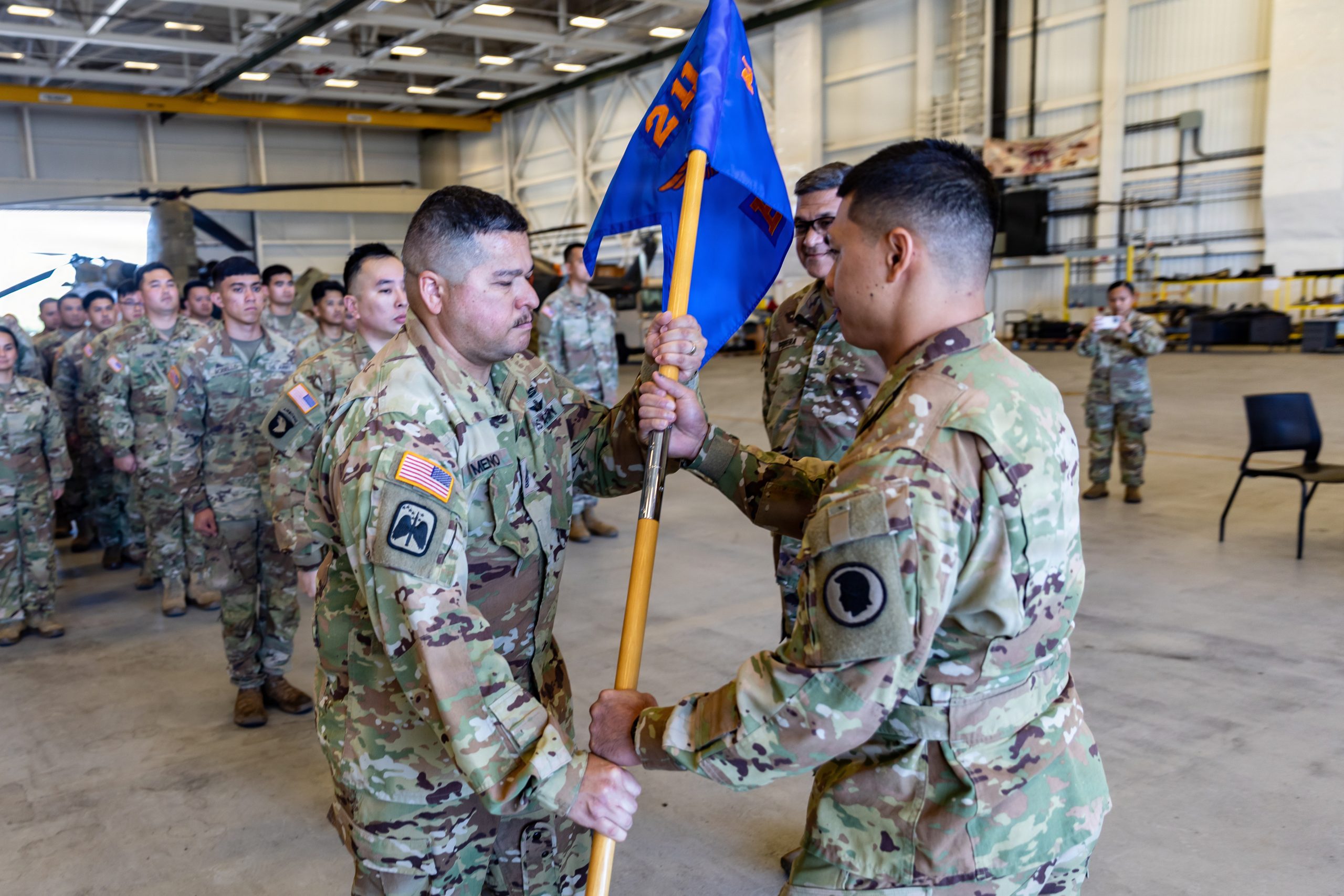
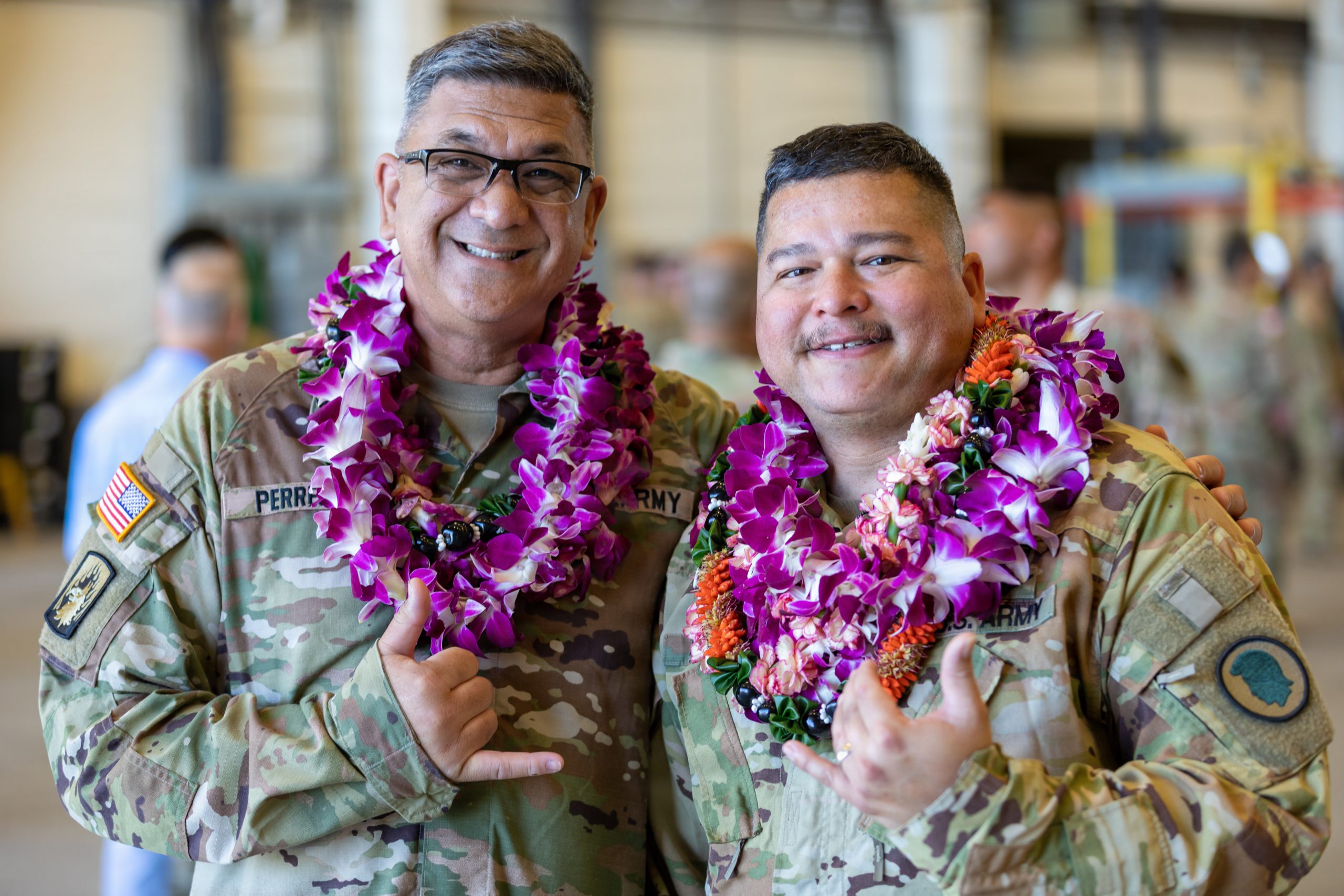
Master Sgt. Clayton Perreira relinquished responsibility of Company B, 2nd Battalion, 211th Aviation Regiment, 103rd Troop Command to 1st Sgt. Kevin Meno during a change of responsibility ceremony in Kalaeloa on Jan. 31, 2026. Distinguished visitors, family, friends and guests attended the event where Meno received the colors from Capt. Zachary Tinao-Rabellizsa, company commander.
– U.S. Army National Guard photos by Spc. Donald Bond
HAWAI‘I ARMY NATIONAL GUARD
HIARNG Medical Readiness Detachment received Army Safety Streamer Award
By Chief Warrant Officer 5 John Yim
Hawai‘i Army National Guard
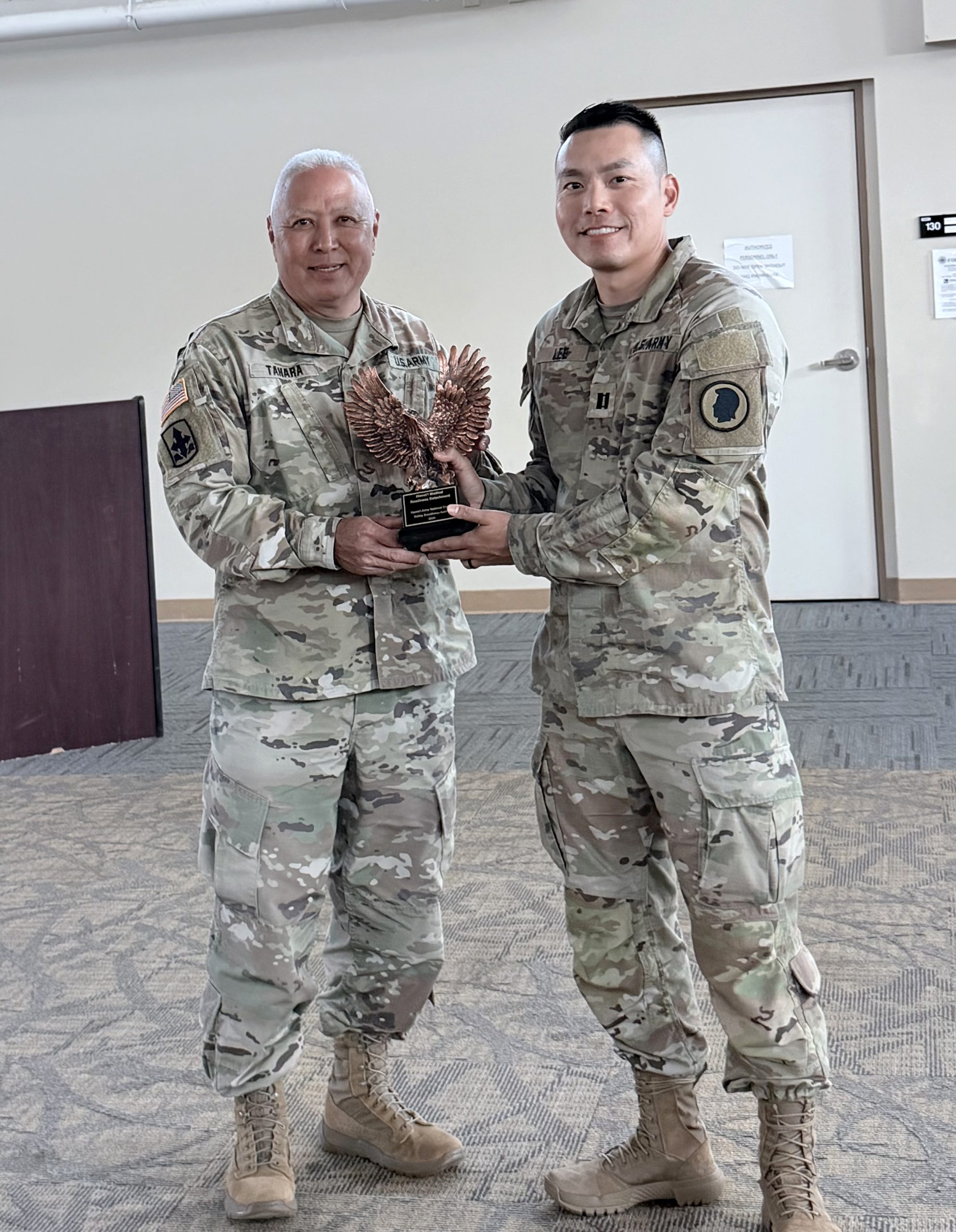
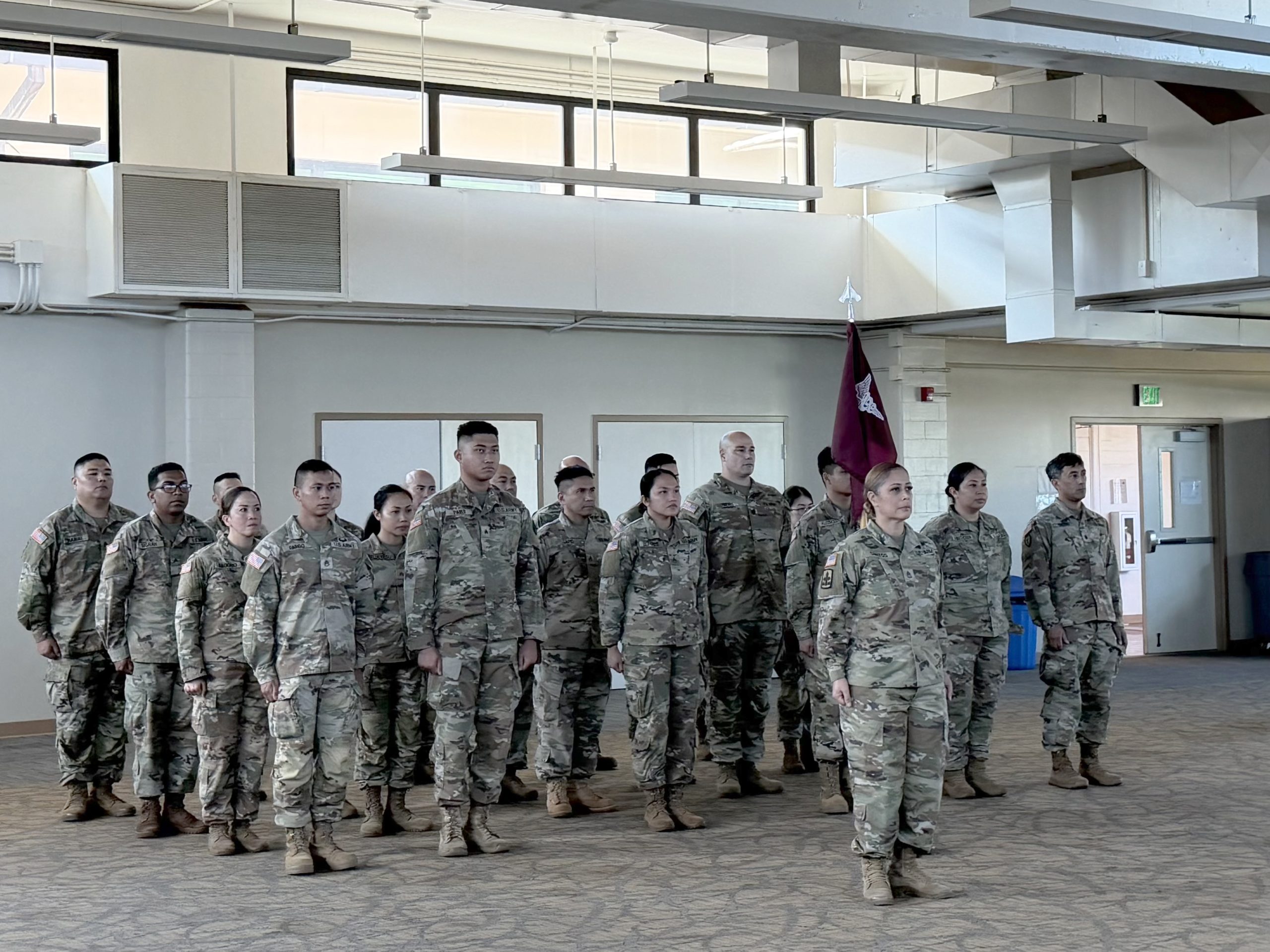
The Hawaiʻi Army National Guard (HIARNG) Hawaiʻi Medical Readiness Detachment (HMRD) received the Army Safety Streamer Award during a ceremony held March 8, 2026, at the Joint Force Headquarters, Bldg. 19. The unit was recognized for its outstanding commitment to safety.
The Army Safety Streamer Award recognizes units that demonstrate exemplary safety performance, including effective risk management, accident prevention, and a command climate that prioritizes Soldier well-being. HMRD’s achievement reflects the professionalism and dedication of its Soldiers and leaders in maintaining a safe and mission-ready force.
Distinguished attendees included Brig. Gen. Tyson Tahara, HIARNG Commander; Command Sgt. Maj. Roy Yamada, HIARNG Command Sergeant Major; Col. Damon Hogsten, HIARNG Chief of Staff; Col. Byron Cadiz, Director of Aviation and Safety; and Col. Joseph Kushi, Commander of the HMRD.
Senior leaders addressed the formation, emphasizing the importance of safety as a combat multiplier and a fundamental leadership responsibility. Tahara and Yamada spoke with Soldiers about how safety directly contributes to readiness and units that build a strong safety culture protect their Soldiers, preserve combat power, and remain prepared to execute the mission whenever called.
Cadiz presented the Army Safety Streamer to Kushi during a unit formation attended by senior leaders and Soldiers of the detachment. The recognition highlights the unit’s exceptional safety performance and dedication to protecting Soldiers while accomplishing mission requirements.
“The Hawai‘i Medical Readiness Detachment has built a strong safety culture where leaders and Soldiers actively incorporate risk management into daily operations, which directly contributes to readiness across the Hawai‘i Army National Guard,” said Chief Warrant Officer 5 John Yim, Safety and Occupational Health Manager.
Tahara also presented the Safety Excellence Trophy to Capt. Thomas Lee, Commander of Headquarters, HRMD, recognizing the leadership and commitment that contributed to the unit’s outstanding safety culture. The award reflects the detachment’s emphasis on risk management, accountability and taking care of Soldiers.
The event was coordinated by Sgt. Maj. Roger Goodwin and the HIARNG Safety Office, which supports units across the state in strengthening safety programs, implementing effective risk management practices and fostering a culture that protects Soldiers while sustaining mission readiness. The office works closely with commanders and leaders to promote safety as a critical component of operational readiness throughout the HIARNG.
HAWAI‘I NATIONAL GUARD
Joint Forces Headquarters, Hawai‘i National Guard
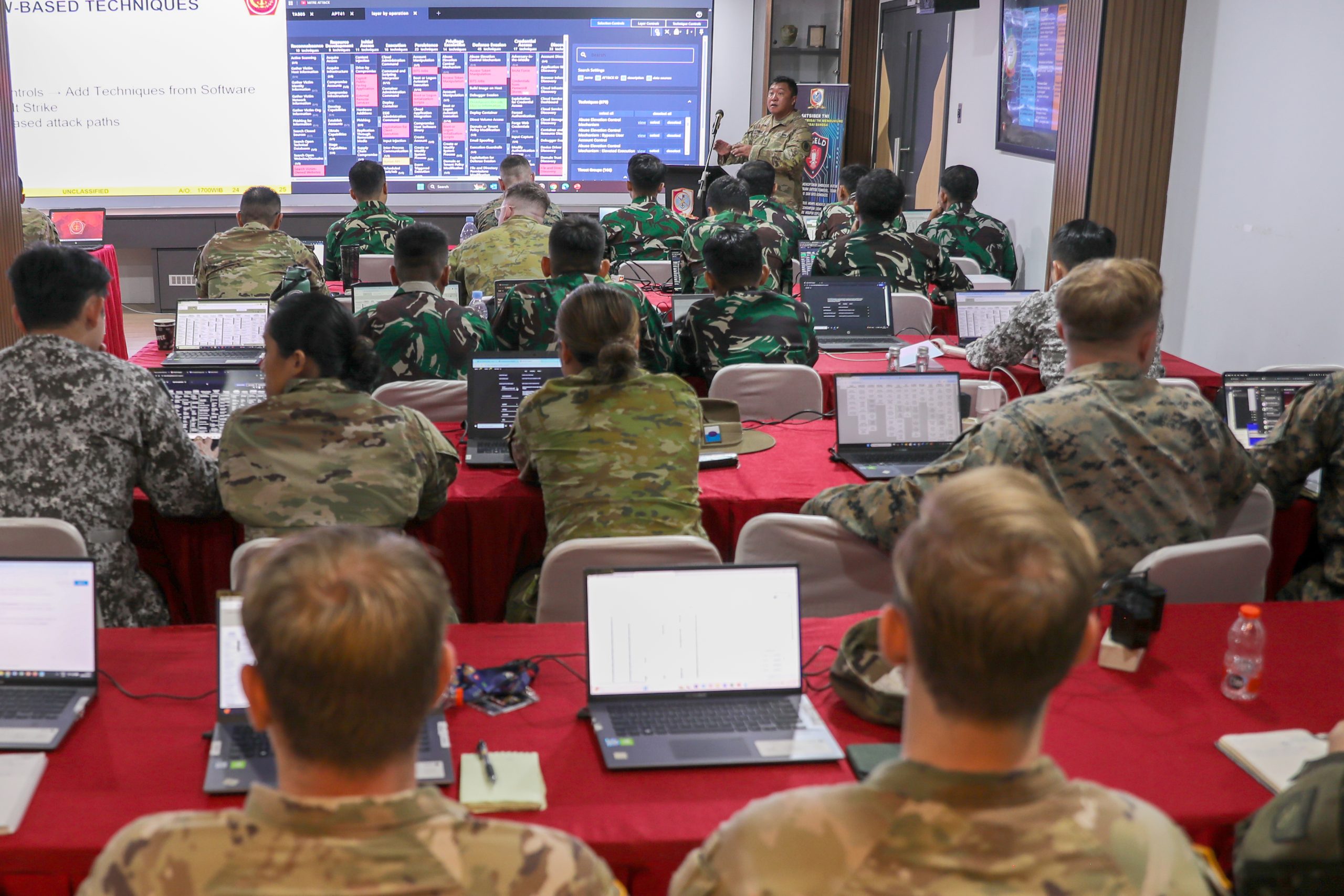
Location: Kalaeloa Armory and Fort Ruger, HI
Mission: Serve as the senior Hawai‘i Army National Guard (HIARNG) command and control element in support of the JFHQ-State for Army units assigned to the state or territory. This HIARNG element provides trained, equipped, and ready forces capable of mobilizing in support of both federal and state missions. With the concurrence of the state or territory Governor, acts as needed as a Joint Task Force (JTF) Headquarters under U.S. Indo-Pacific Command (US INDOPACOM) control.
What did you accomplish in your Annual Training?
Joint Force Headquarters is unique in that Guardsmen conduct Annual Training on a year-round annual training schedule. This allows Guardsmen within Joint Force Headquarters to support different exercises (Super Garuda Shield, Tiger Balm, etc.) and support State Partnership Initiatives in the Philippines and Indonesia as well organic training mission sets outside of the allocated Drill Weekends.
What recent missions or exercises has your unit participated in? Future exercises or deployments?
Joint Force Headquarters recently completed Keen Edge 2026. Several primary staff and support staff planned, prepared and executed JTF-50 and exercised Tier II-Tier IV operations. This training event provides groundwork and sets conditions for Hawai‘I National Guard (HING) HD events, Makani Pahili and HURREX. These training events will lead up and culminate to Vigilant Guard in 2027. In addition to HING HD exercises, The HIARNG will support Super Garuda Shield in August in Indonesia.
What new technologies or systems has your unit recently integrated? (coming soon items)
New systems that have been recently implemented is Army Selection Board System (ASBS) a secure US Army information system used by board members to review, rate and vote on Soldier files for promotions, schools and assignments. The system integrates data from iPerms and IPPS-A. This year is the first year ASBS is being utilized for enlisted boards.
Additionally, Microsoft automate and forms is an added feature that has been utilized by our G1 to get fast personnel readiness metrics for IDT and full-time leadership.
Our G3 has moved from Digital Training Management System to a new platform known as Army Training Information System (ATIS). ATIS modernizes and streamlines Soldier unit training records. It serves as the authoritative source for training schedules, weapons qualifications and Army Fitness Training data.

Color Guide
HAWAI‘I NATIONAL GUARD
HAWAI‘I ARMY NATIONAL GUARD
HAWAI‘I AIR NATIONAL GUARD
HAWAI‘I EMERGENCY MANAGEMENT AGENCY
OFFICE OF VETERANS’ SERVICES
CIVILIAN MILITARY PROGRAMS
STATE OF HAWAI‘I DEPARTMENT OF DEFENSE
Resource Guide
VA Support, Benefits
Oahu: (808) 433-0420
Hilo: (808) 369-3538
Kona: (808) 844-6664
Kaua‘i: (808) 369-3535
Maui: (808) 369-3541
VA Education Benefits
Hawai‘i State Approving
Authority: (808) 369-3559
Military Records
HIARNG: (808) 672-1286
HIANG: 1 (800) 525-0102
Common Access Card
O‘ahu: (808) 844-6425
Big Island: (808) 844-6616
Maui: (808) 789-0637
Kaua‘i: (808) 844-6735
Contributors
Senior Airman Roann Gatdula, HIANG
Senior Master Sgt. Mysti Bicoy, HIANG
Sgt. Casandra Ancheta, HIARNG
Sgt. Mariah-Alexsandra Manandic-Kapu, HIARNG
Sgt. Paulo Honrales, HING
Sgt. Navpreet Chambers, HING
Chief Warrant Officer 5 John Yim, HIARNG
Sherry Macanas, HIARNG
Tech. Sgt. Orlando Corpuz, HIANG
Spc. Donald Bond, HIARNG
Tech. Sgt. John Linzmeier, HIANG
Sgt. Sean Walker, HIARNG
GayAnn Kino, SHRO
Paul Choi, HRO