Do you need help in another language? We will get you a free interpreter. Call 808-369-3580 to tell us which language you speak.
您需要其它語言嗎?如有需要,請致電 (808-369-3478), 我們會提供免費翻譯服務
您需要其它语言吗?如有需要,请致电 (808-369-3478), 我们会提供免费翻译服务
En mi niit alilis lon pwal eu kapas? Sipwe angei emon chon chiaku ngonuk ese kamo. Kokori (808-369-3478) omw kopwe ureni kich meni kapas ka ani.
Makemake `oe i kokua i pili kekahi `olelo o na `aina `e? Makemake la maua i ki`i `oe mea unuhi manuahi. E kelepona (808-369-3478)`oe ia la kaua a e ha`ina `oe ia la maua mea `olelo o na `aina `e.
Masapulyo kadi ti tulong iti sabali a pagsasao? Ikkandakayo iti libre nga paraipatarus. Awaganyo ti
(808-369-3478) tapno ibagayo kadakami no ania ti pagsasao nga ar-aramatenyo.
다른언어로 도움이 필요하십니까? 저희가 무료로 통역을 제공합니다. (808-369-3478)로 전화해서 사용하는 언어를 알려주십시요
Kwoj aikuij ke jiban kin juon bar kajin? Kim naj lewaj juon am dri ukok eo ejjelok wonen. Kirtok
(808-369-3478) im kwalok non kim kajin ta eo kwo melele im kenono kake.
E te mana'o mia se fesosoani i se isi gagana? Matou te fesosoani e ave atu fua se faaliliu upu mo oe. Vili mai i le numera lea (808-369-3478) pea e mana'o mia se fesosoani mo se faaliliu upu.
¿Necesita ayuda en otro idioma? Nosotros le ayudaremos a conseguir un intérprete gratuito. Llame al (808-369-3478) y diganos que idioma habla.
Kailangan ba ninyo ng tulong sa ibang lengguwahe? Ikukuha namin kayo ng libreng tagasalin. Tumawag sa (808-369-3478) para sabihin kung anong lengguwahe ang nais ninyong gamitin.
‘Okú ke fie maʻu tokoni ʻi ha lea fakafonua ʻe taha? Temau kumi haʻo taha fakatonulea taʻetotongi. Telefoni ki he (808-369-3478) ke fakahā mai ʻa e lea fakafonua ʻokú ke lea aí.
Bạn có cần giúp đỡ bằng ngôn ngữ khác không ? Chúng tôi se yêu cầu một người thông dịch viên miễn phí cho bạn. Gọi (808-369-3478)nói cho chúng tôi biết bạn dùng ngôn ngữ nào
Gakinahanglan ka ba ug tabang sa imong pinulongan? Amo kang mahatagan ug libre nga maghuhubad. Tawag sa (808-369-3478) aron magpahibalo kung unsa ang imong sinulti-han.
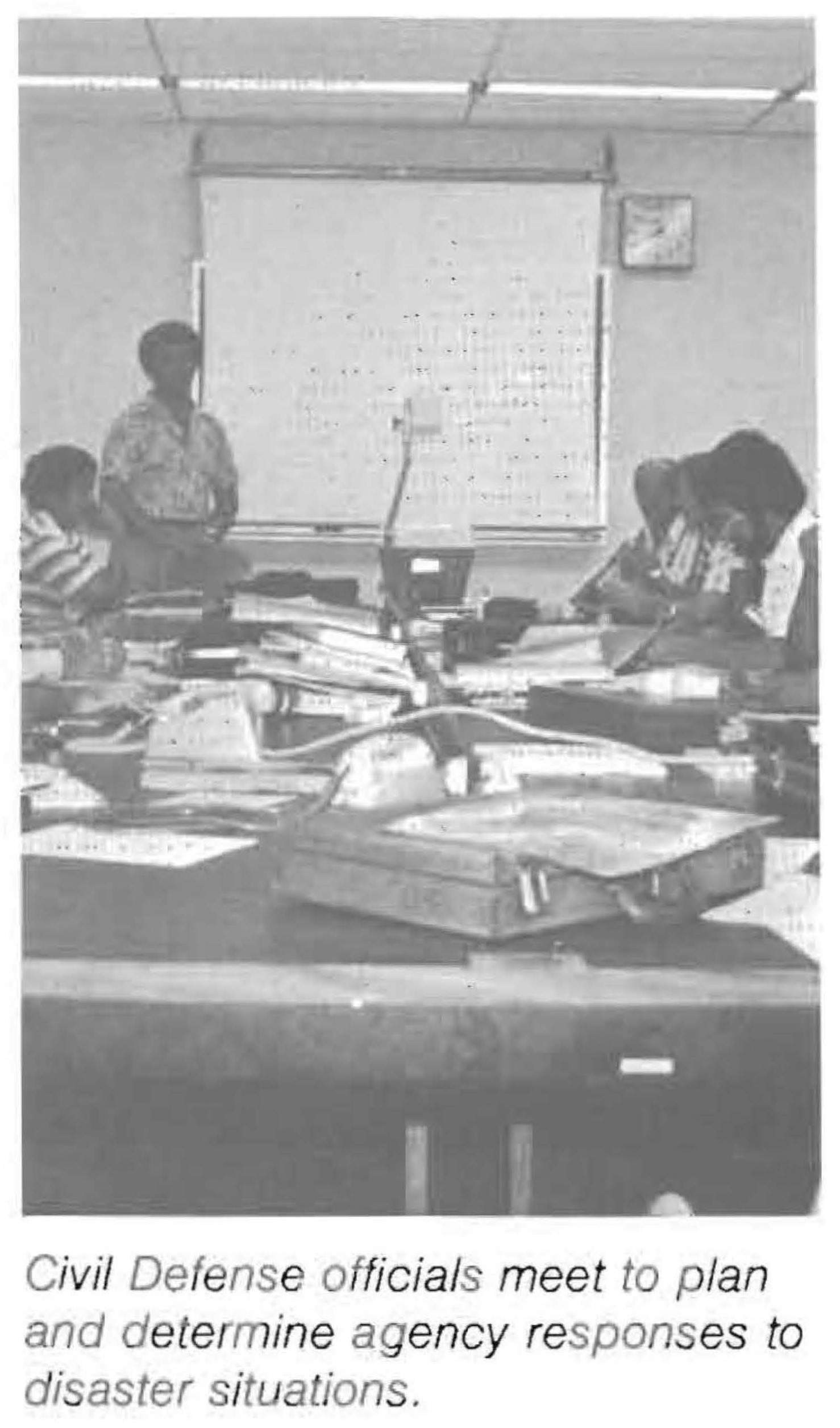
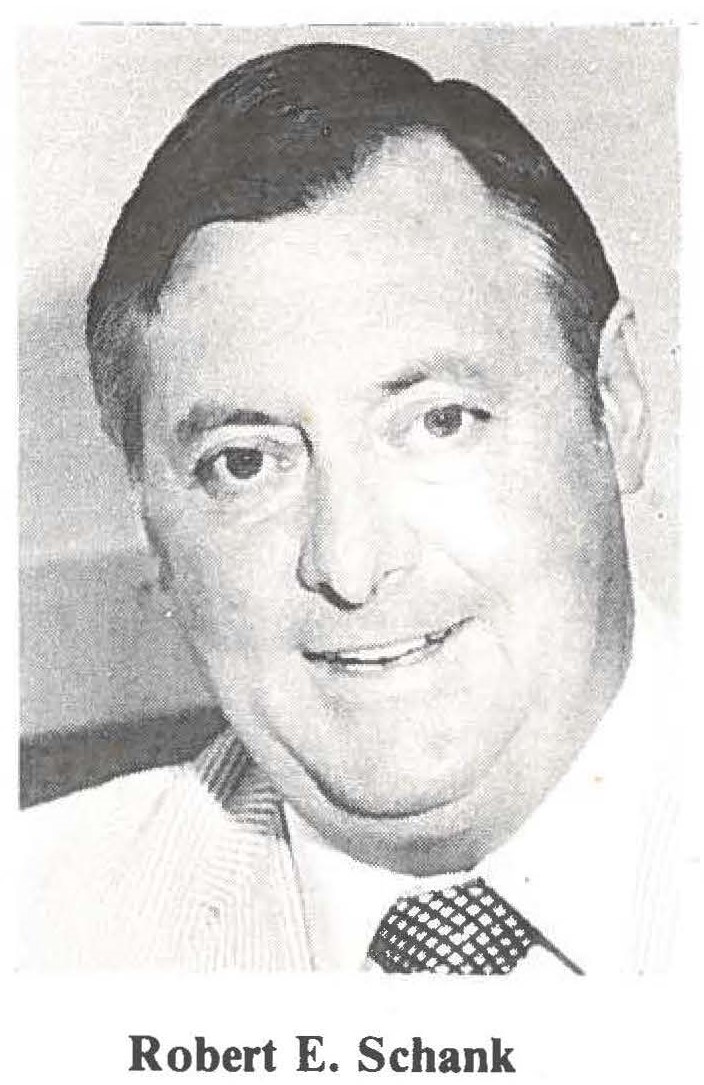
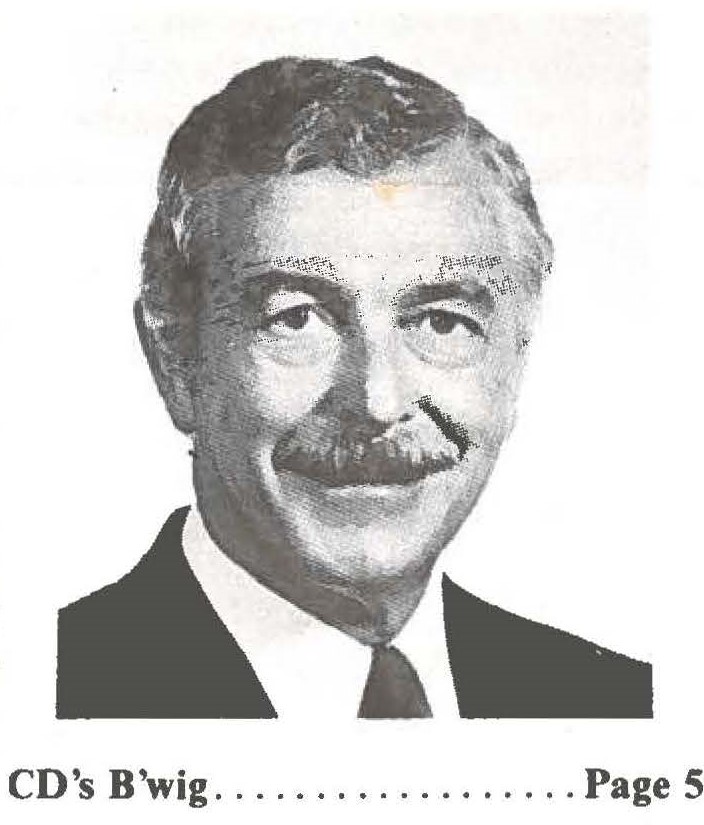
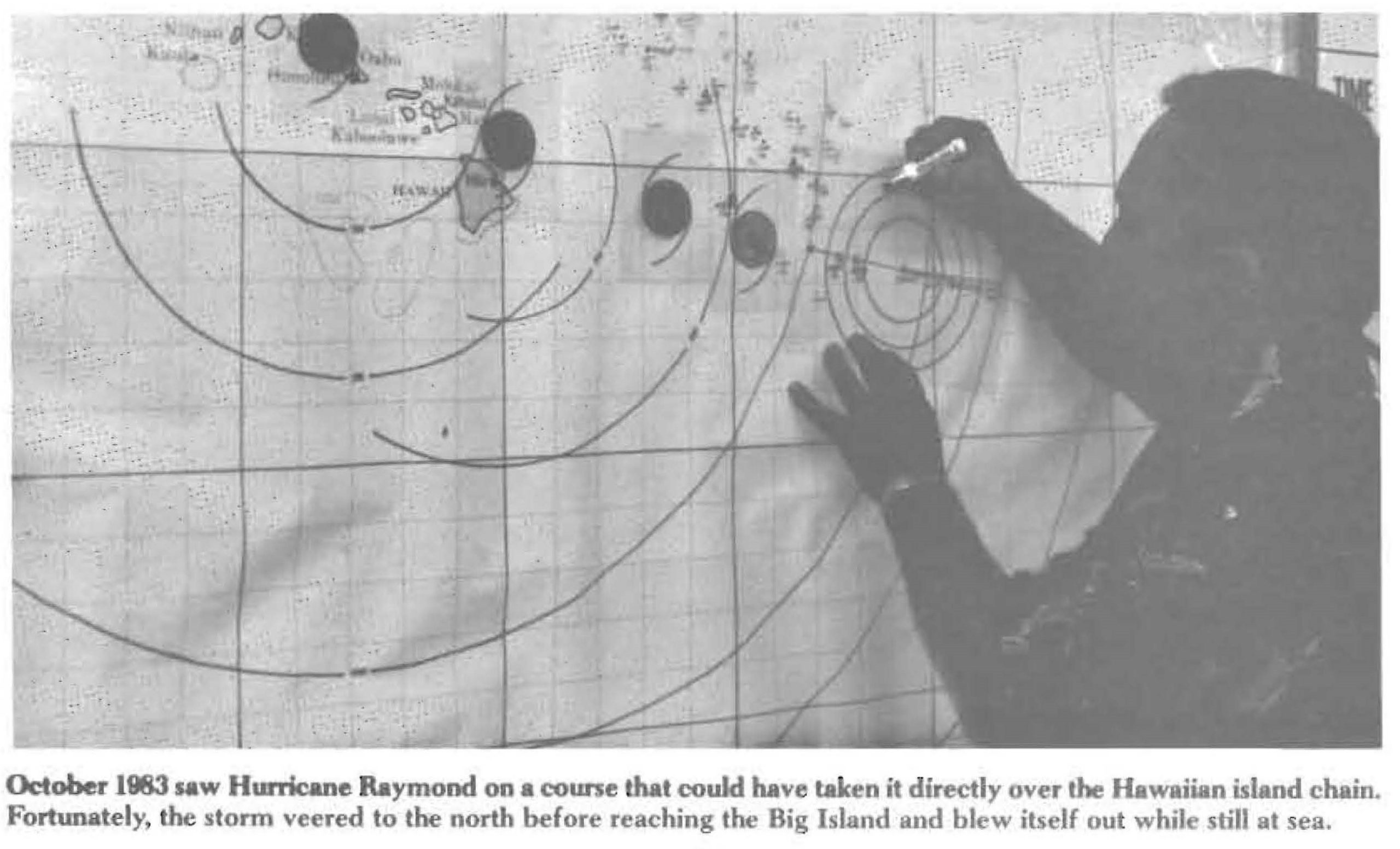
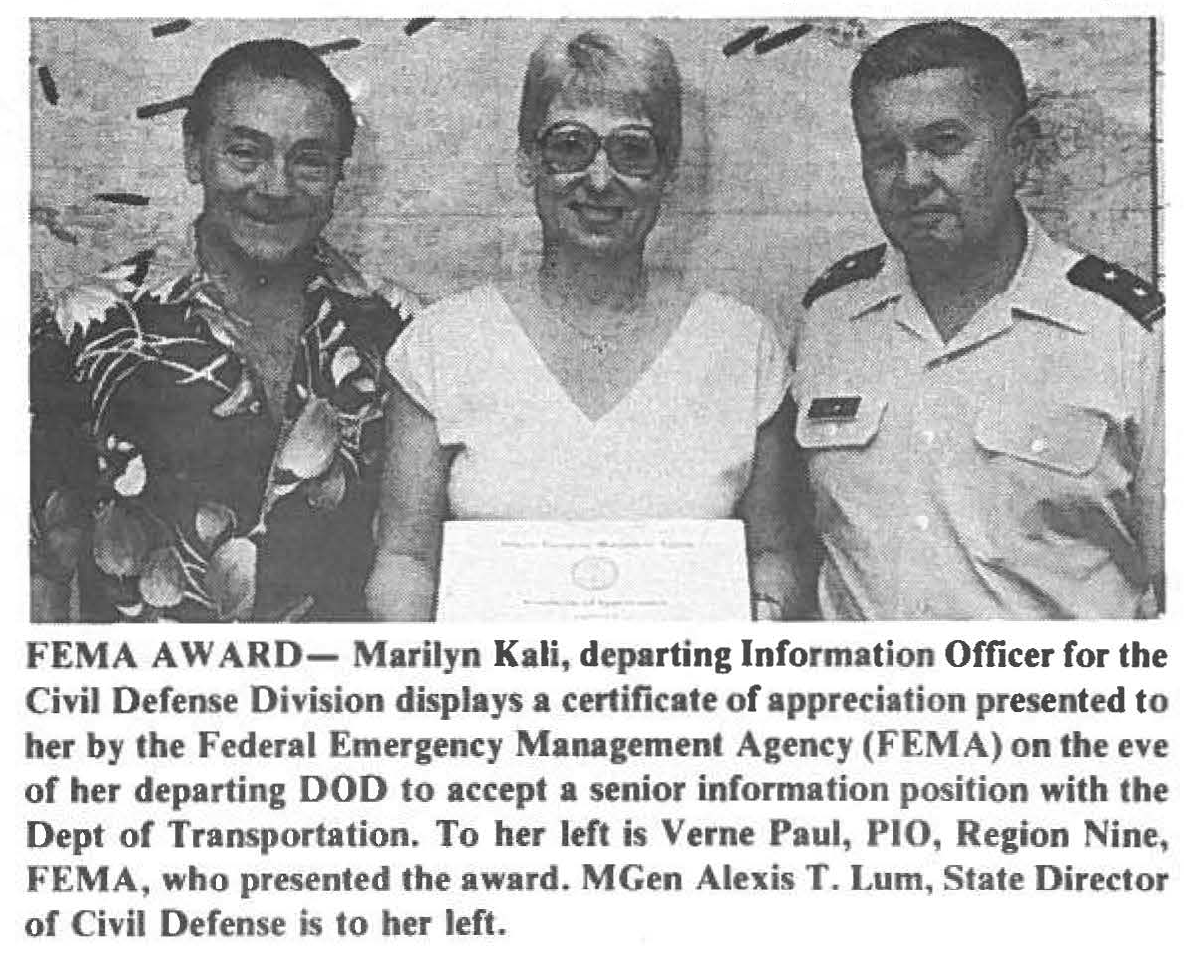
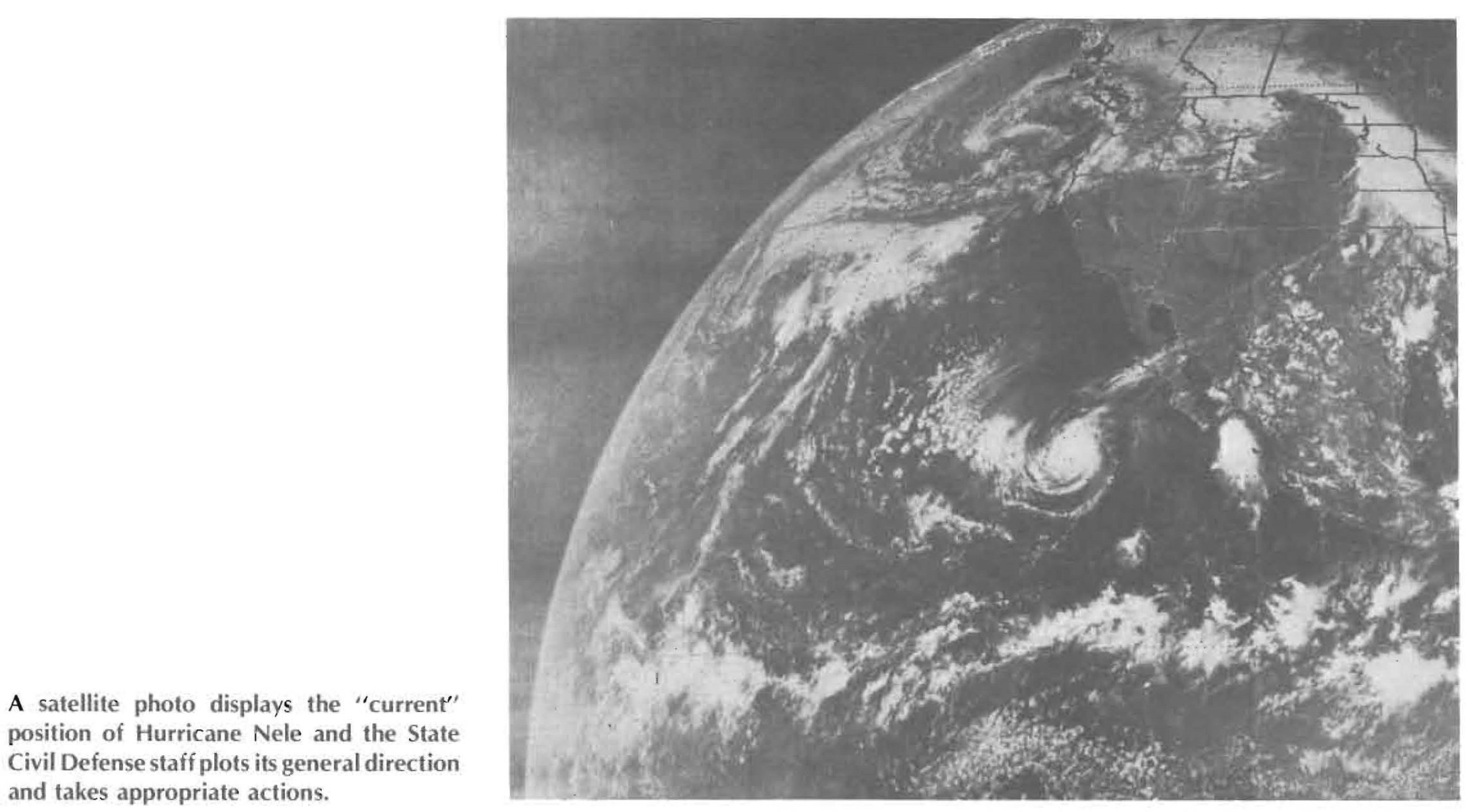
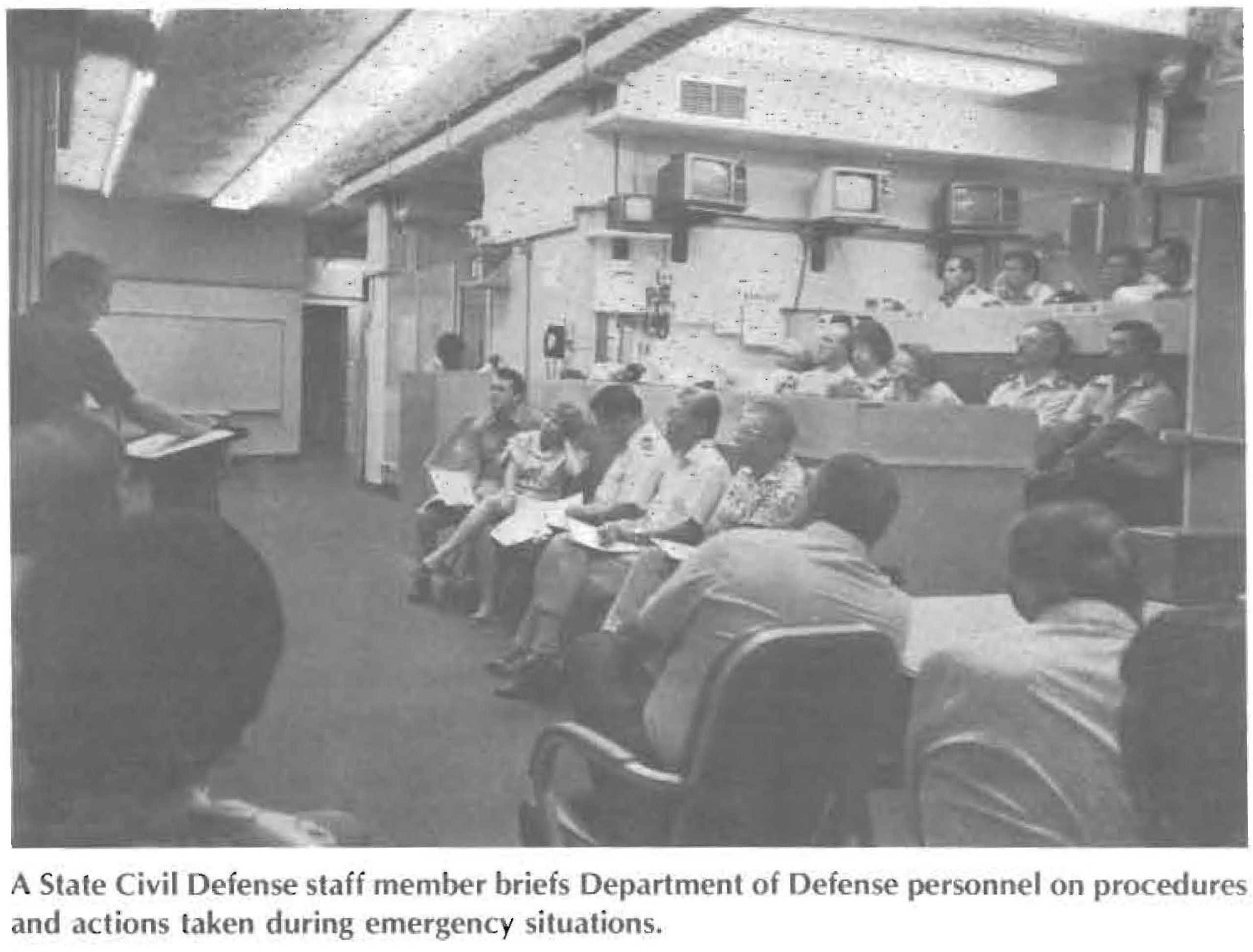
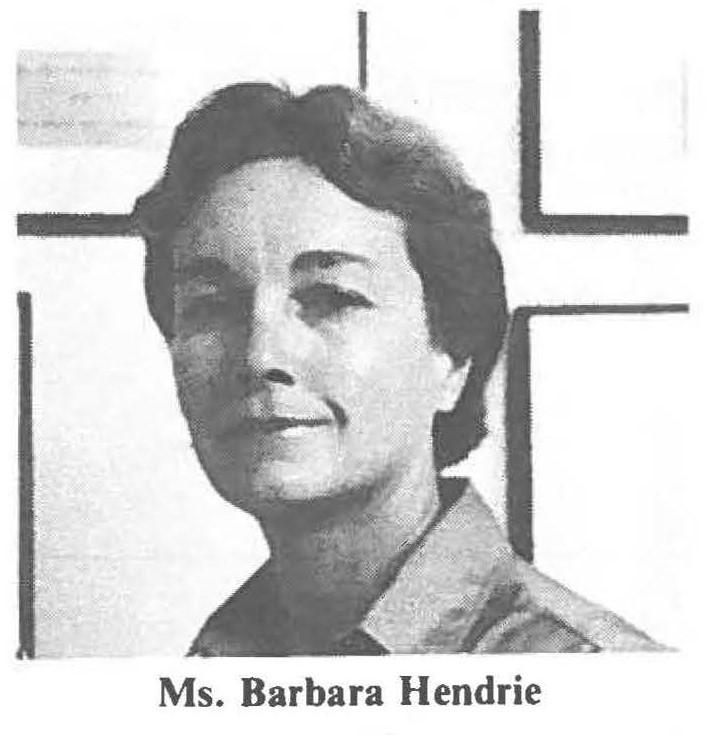
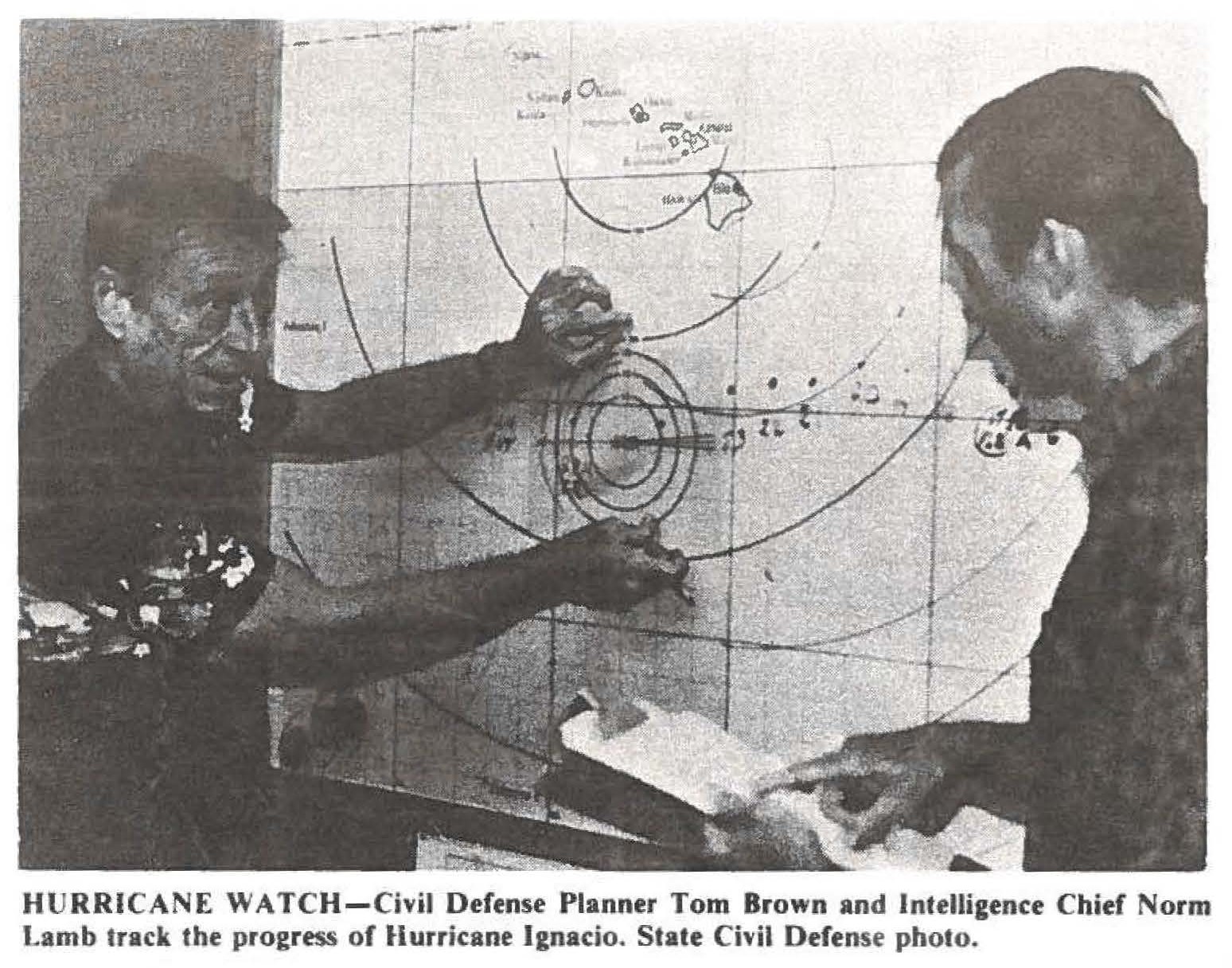
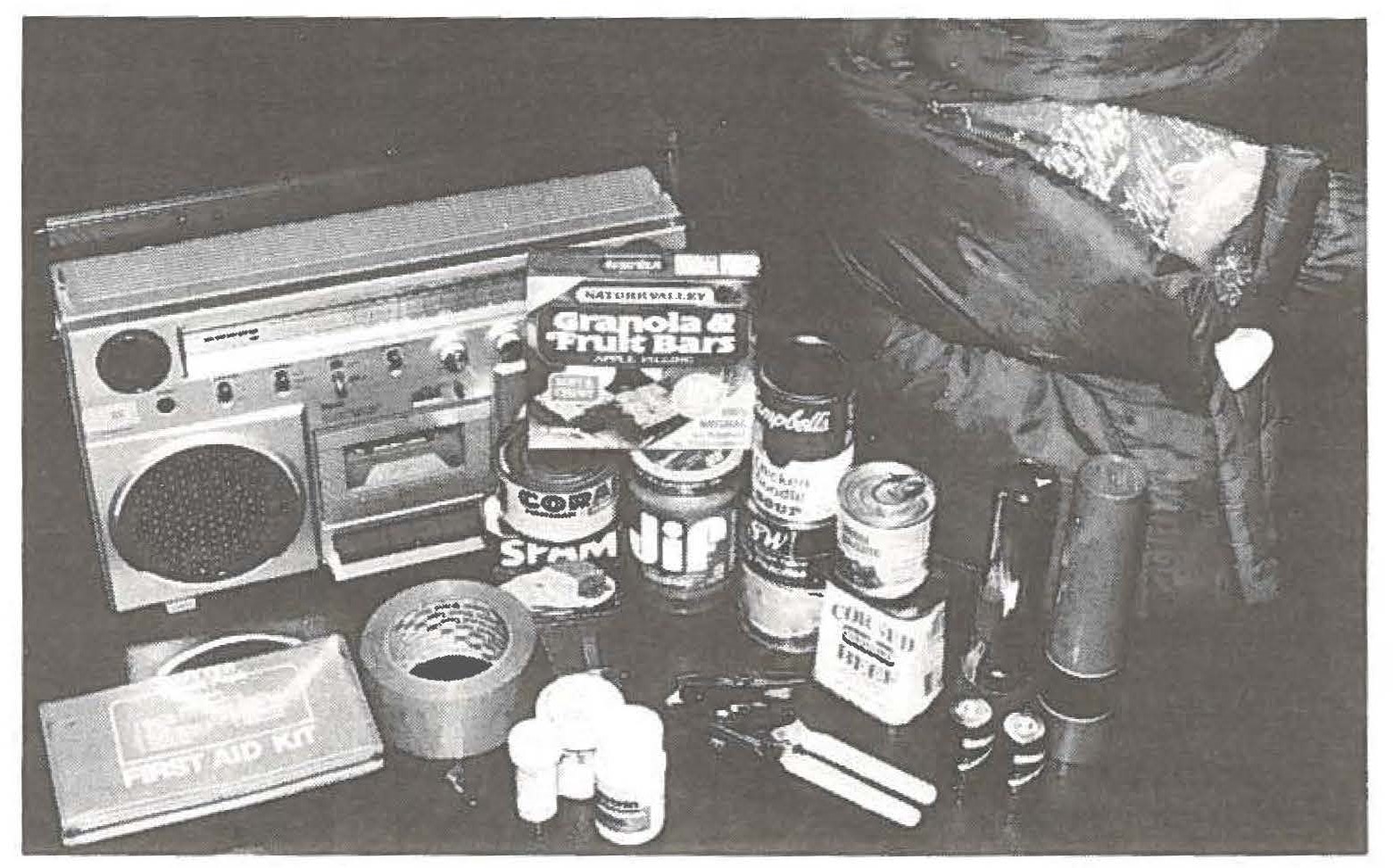
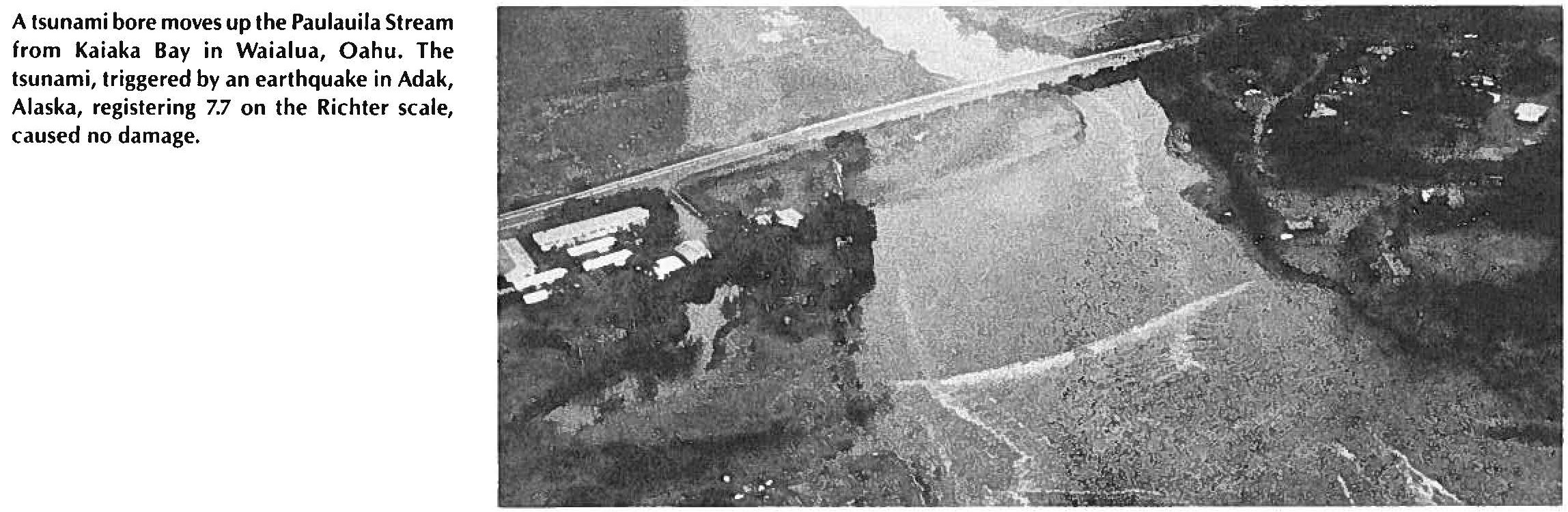
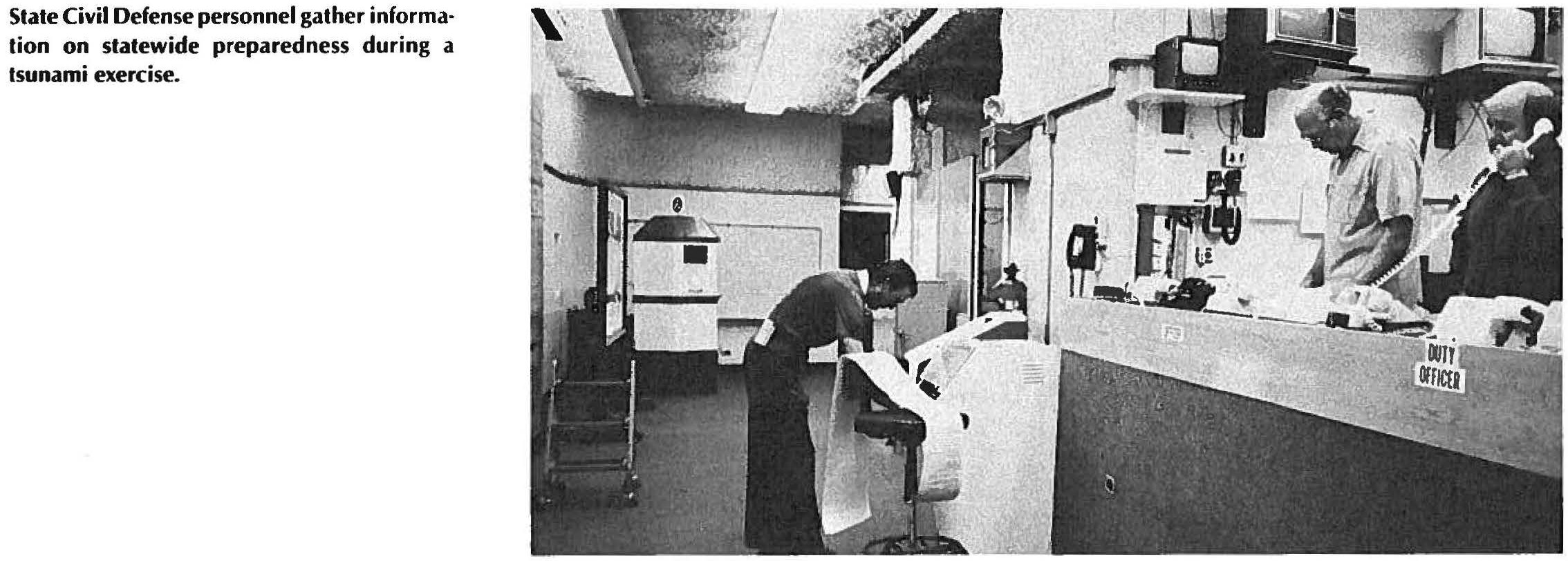
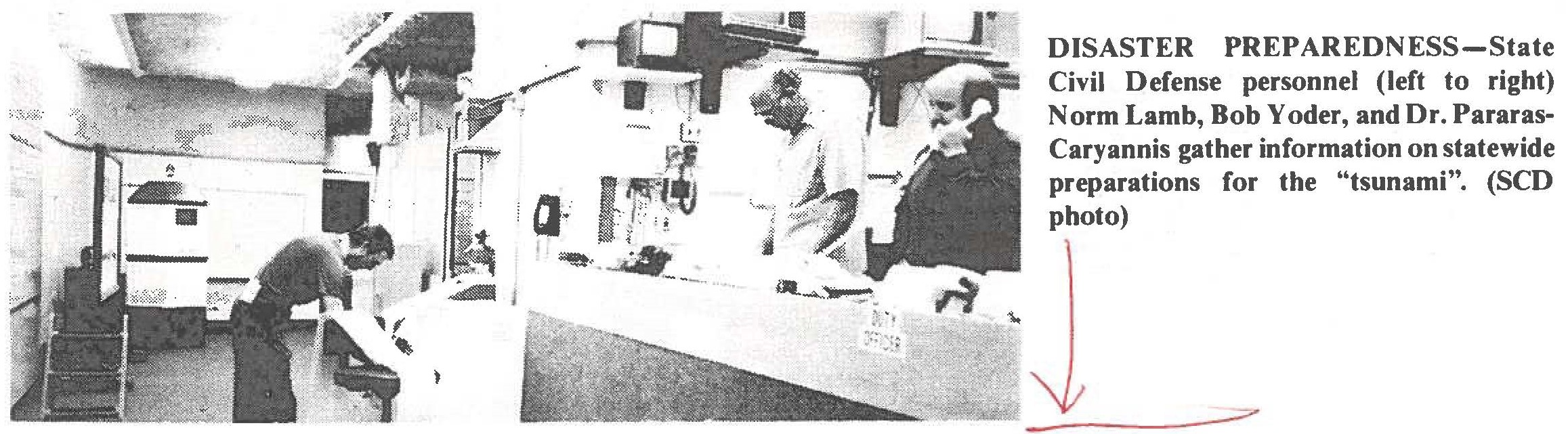
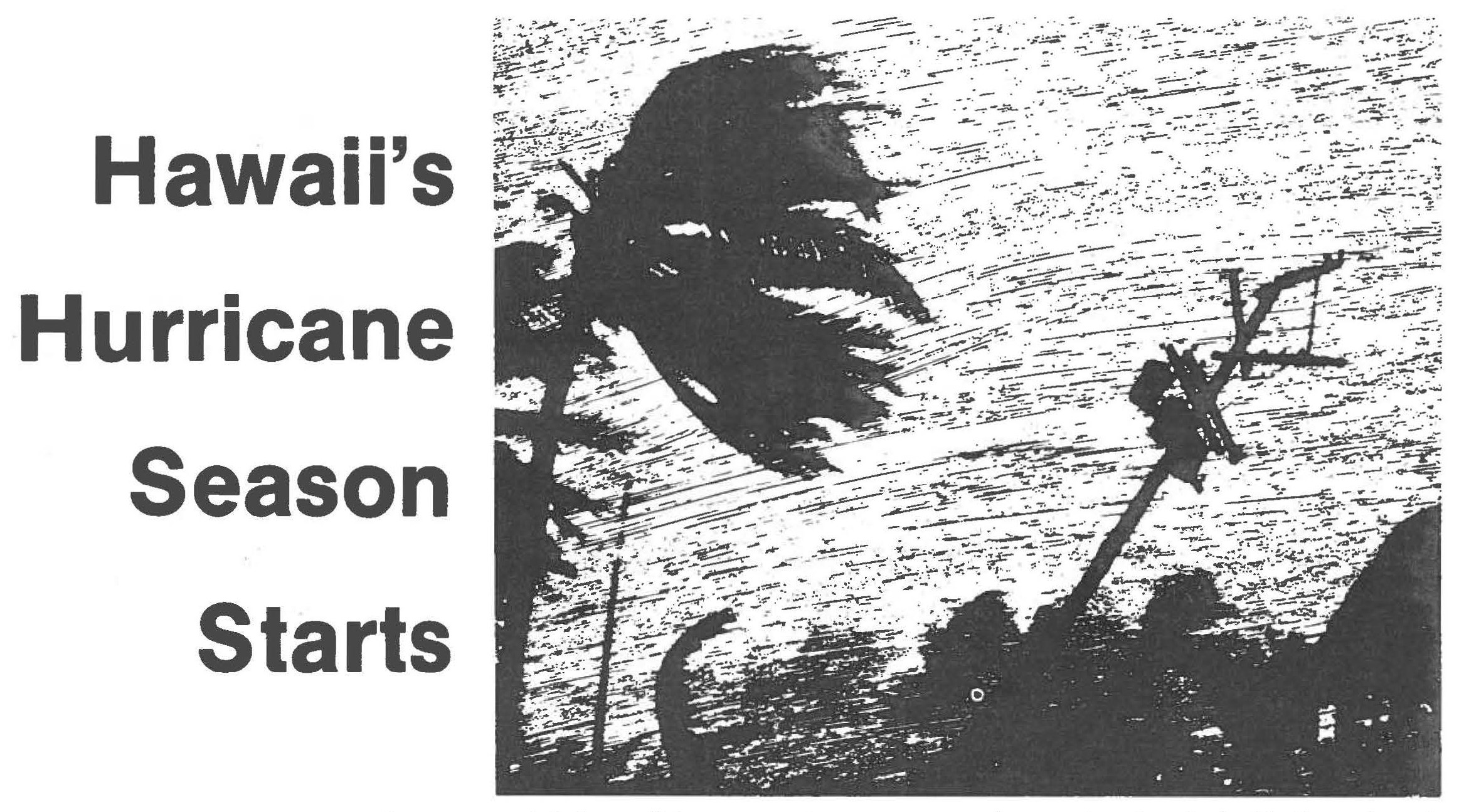
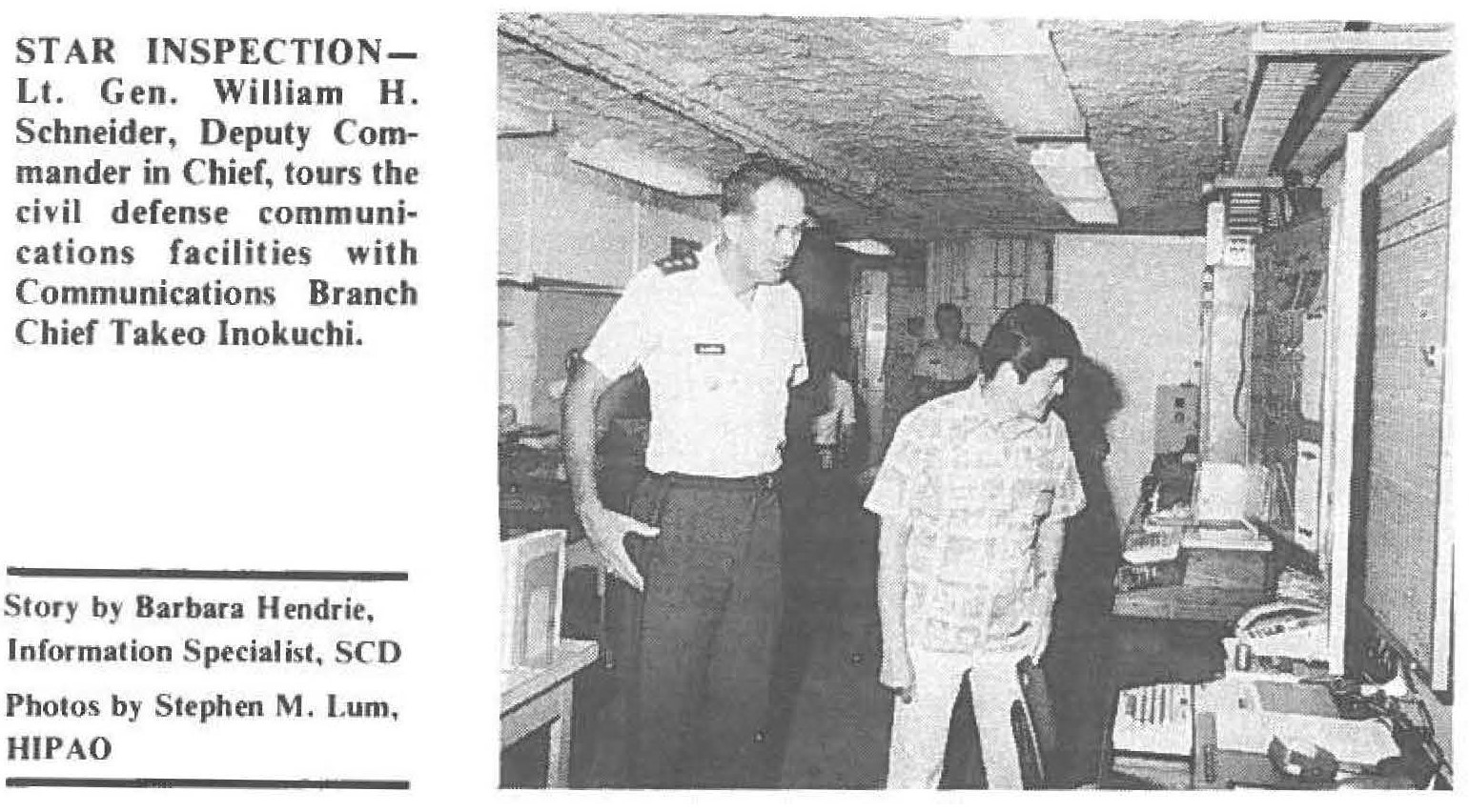
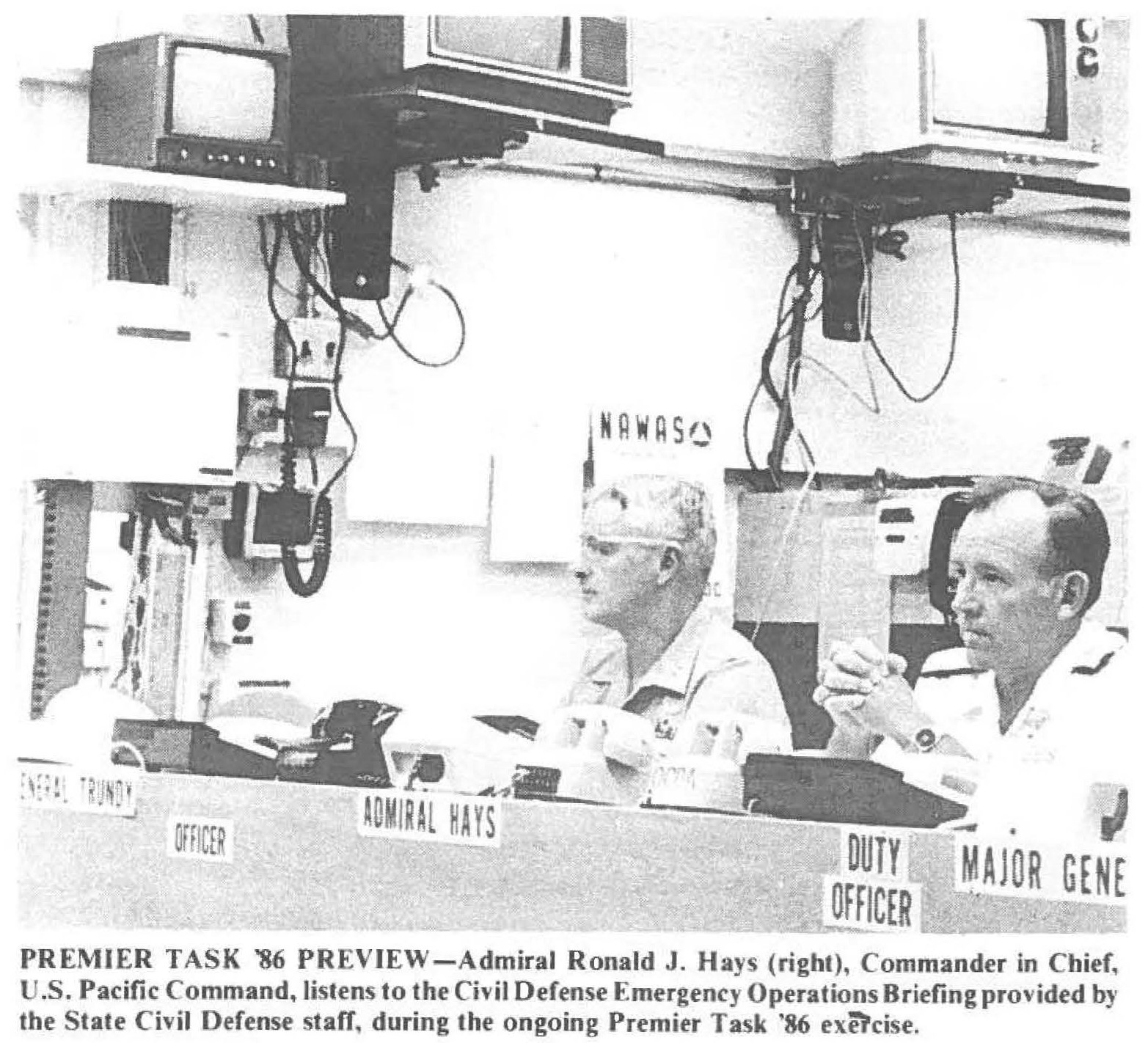
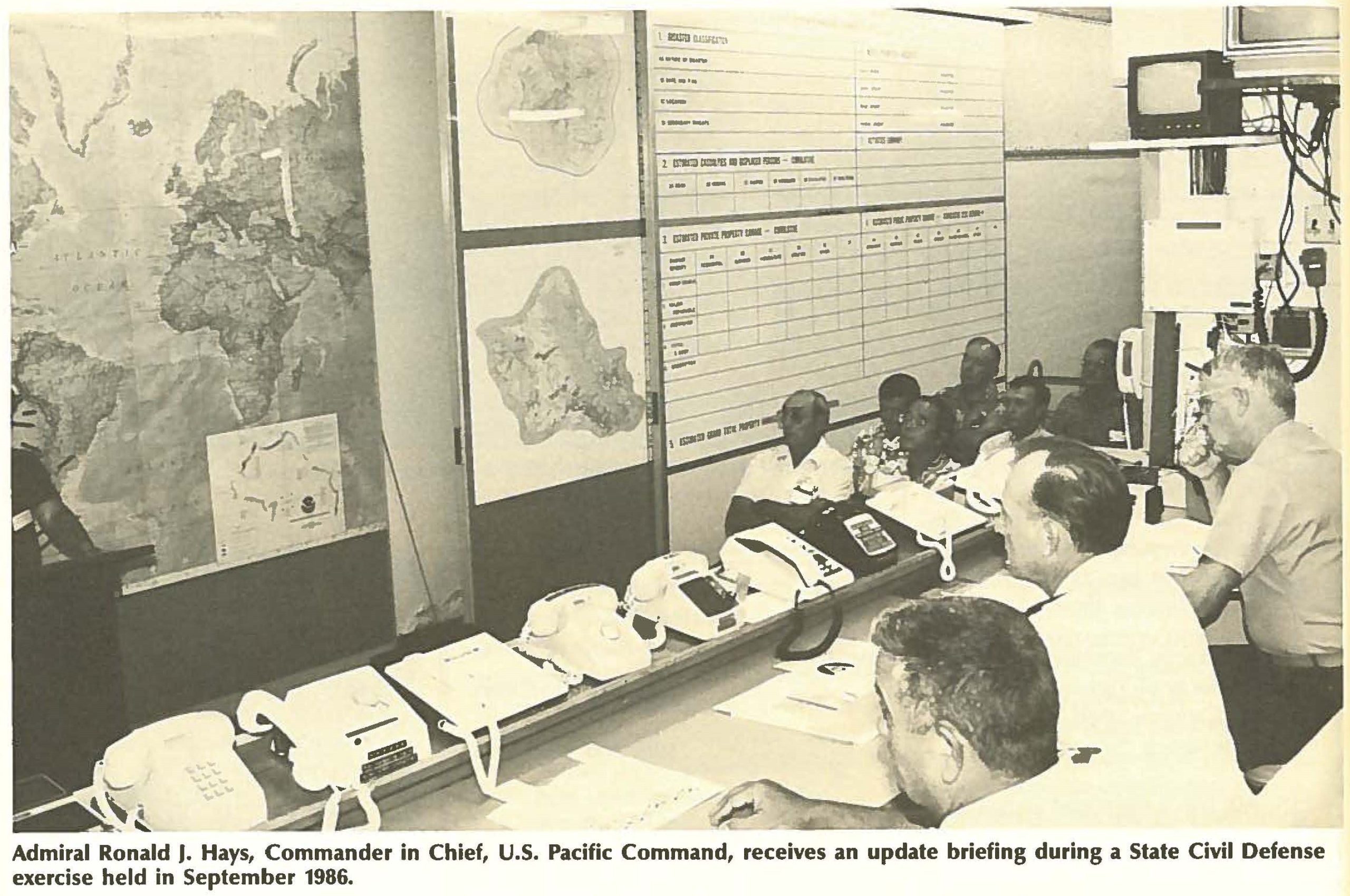
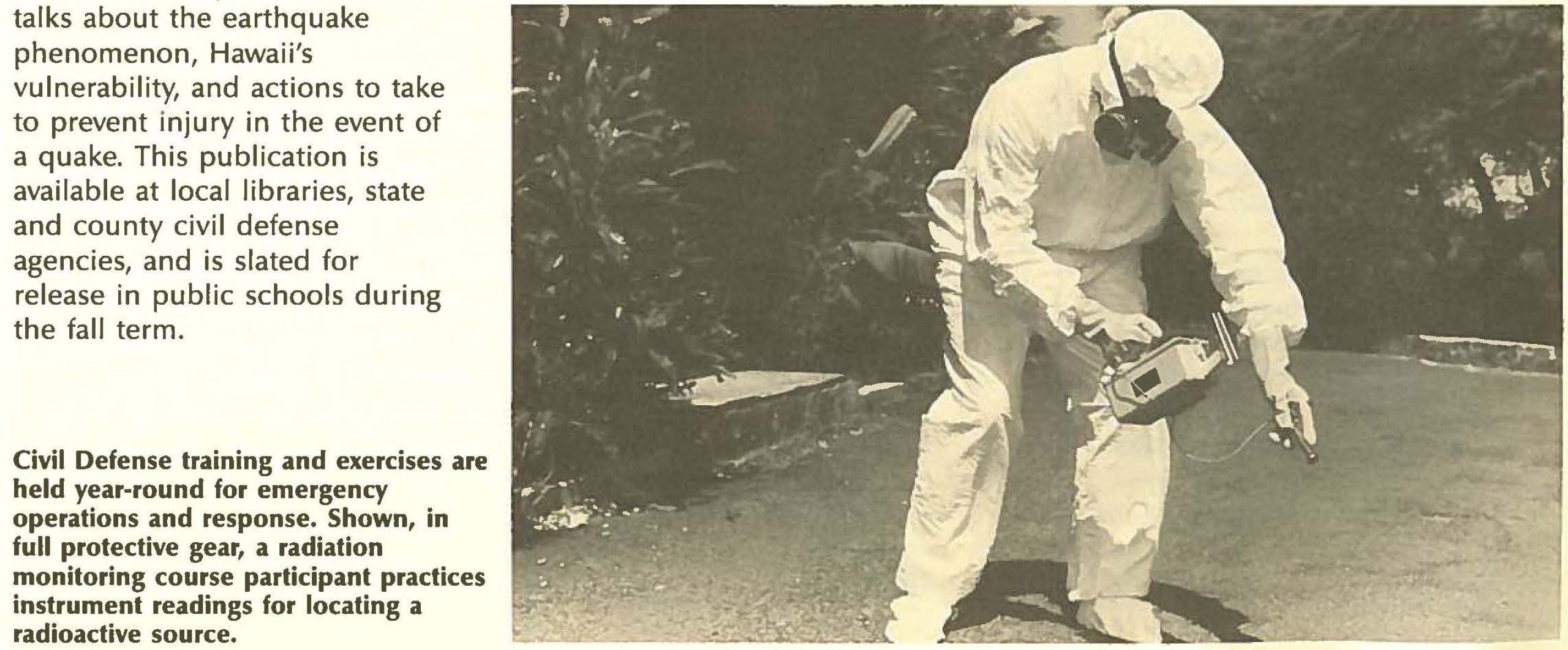
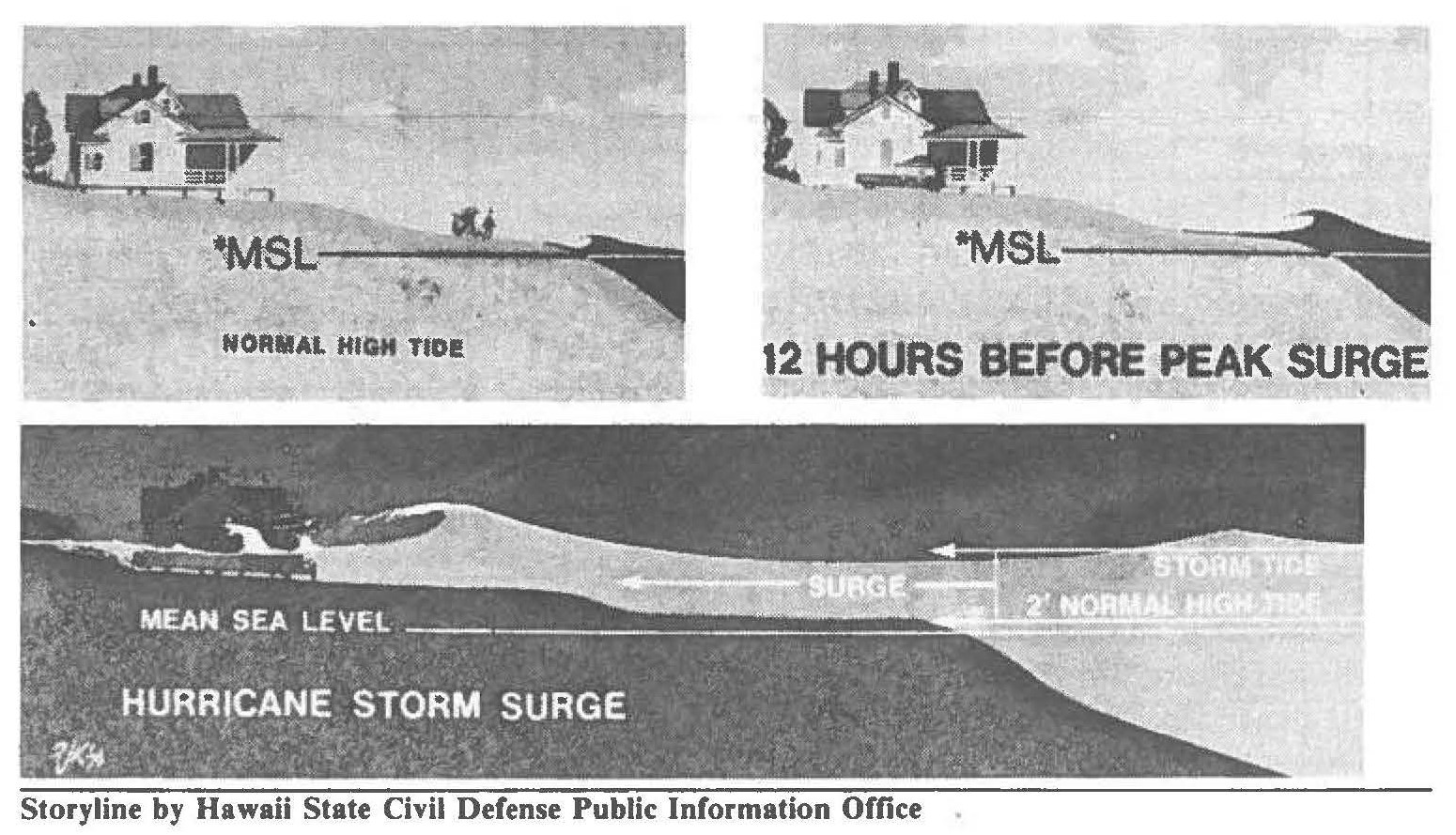
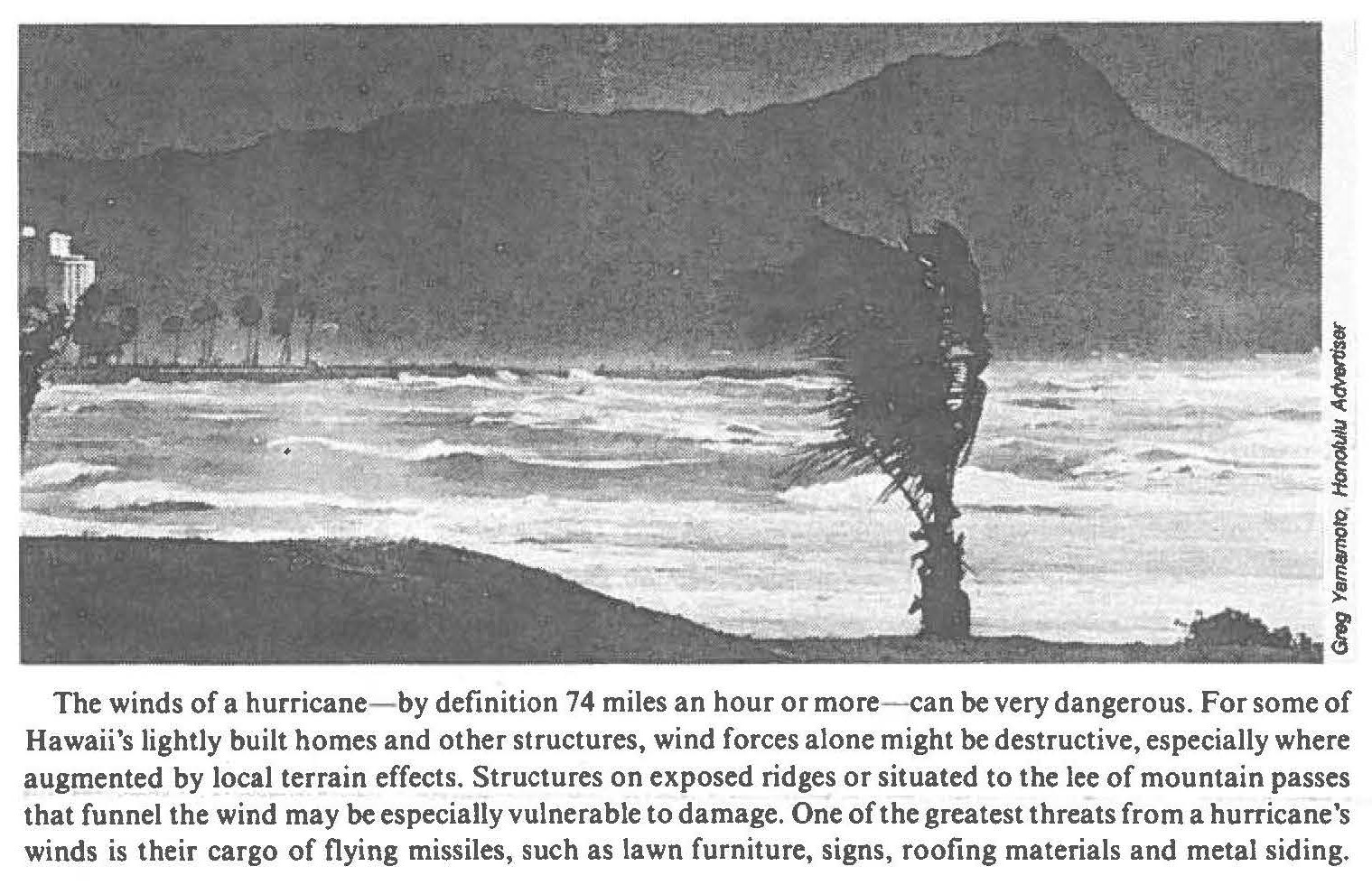
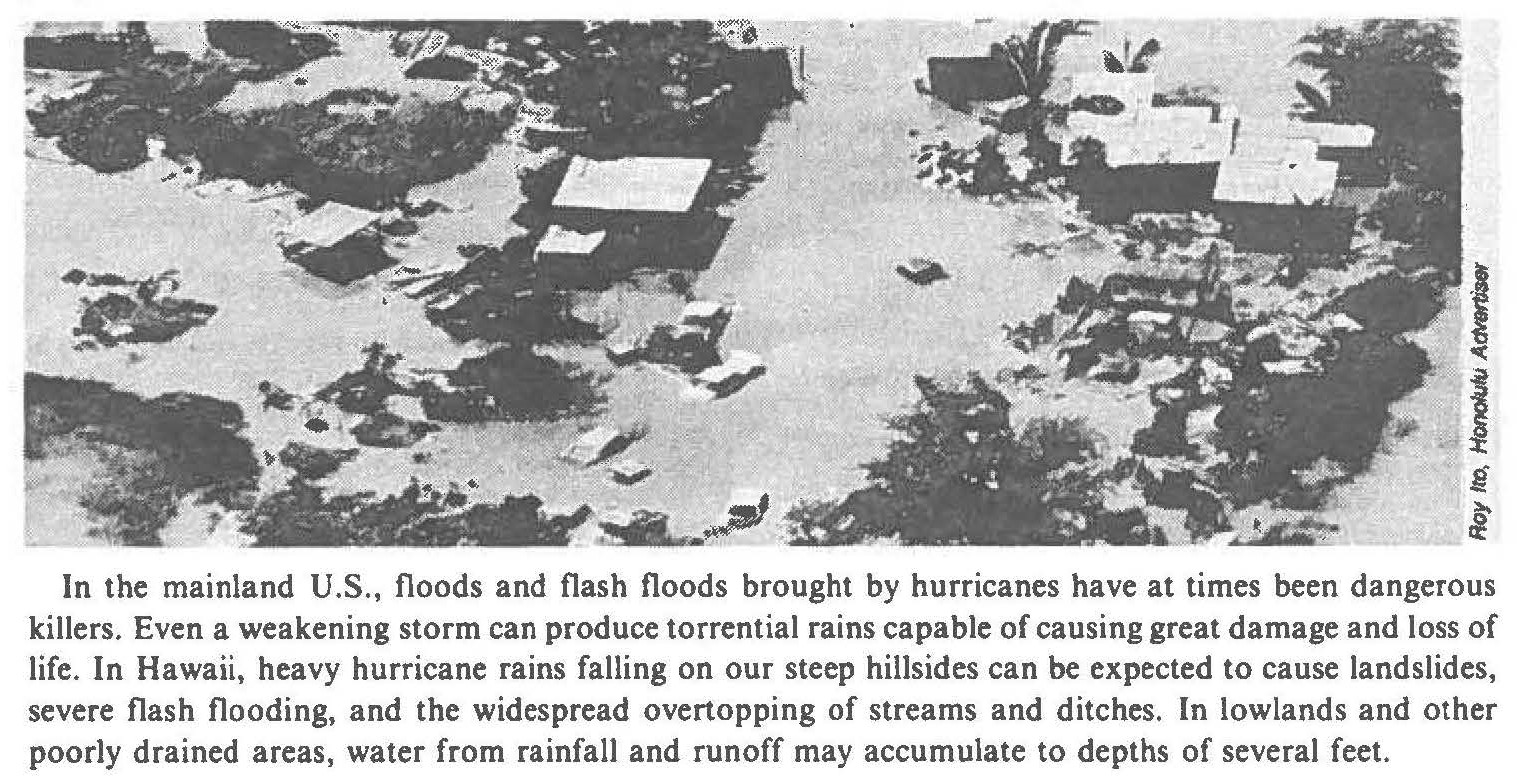
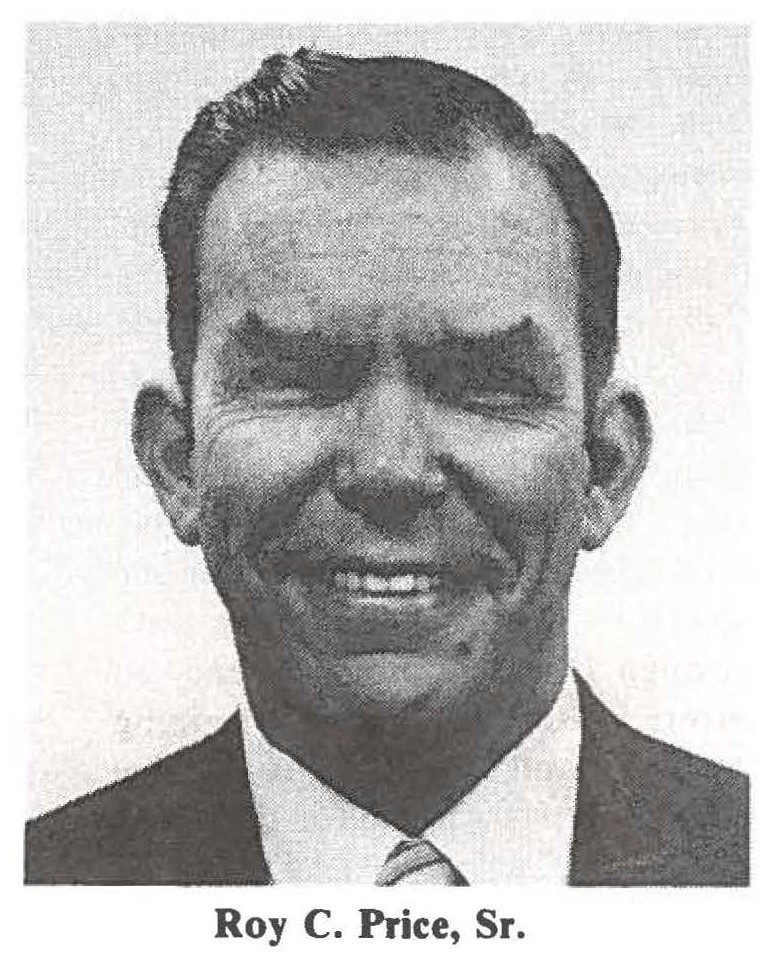
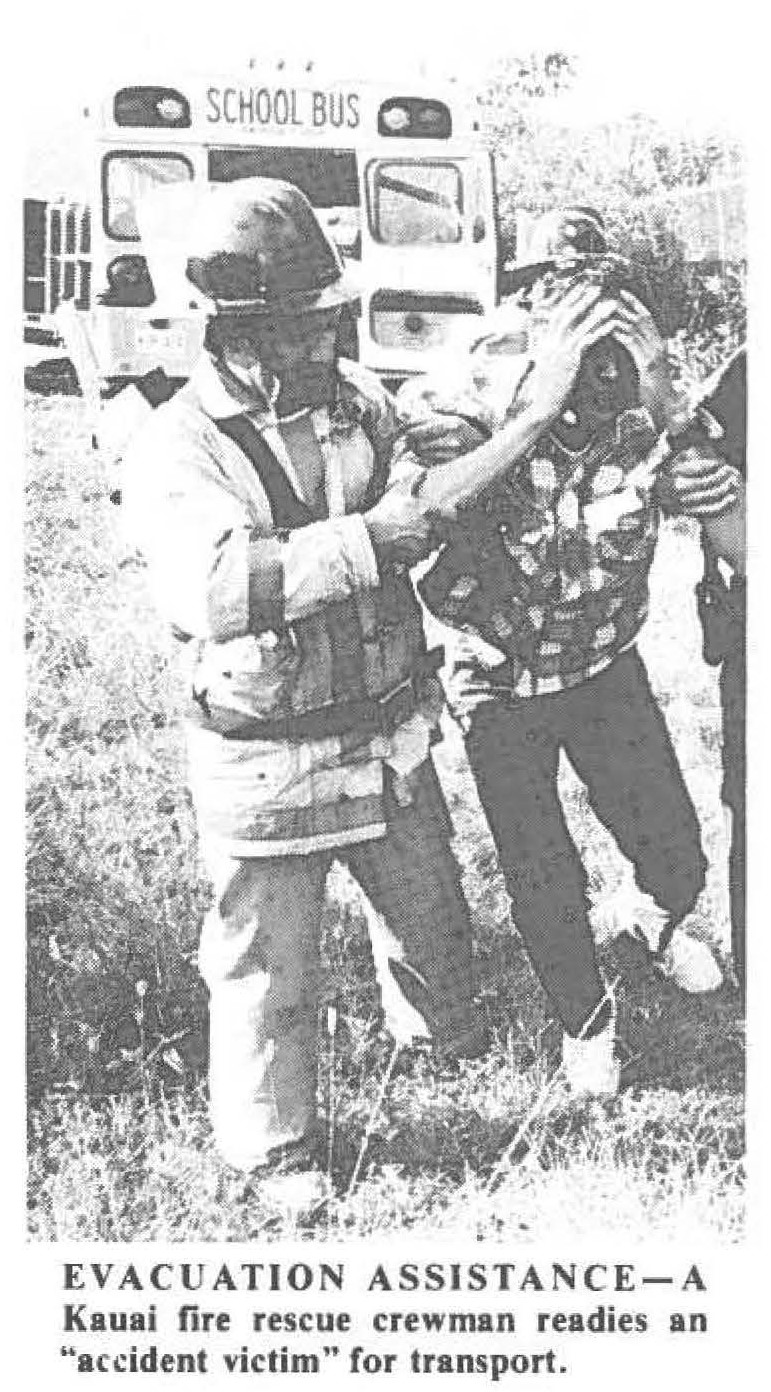
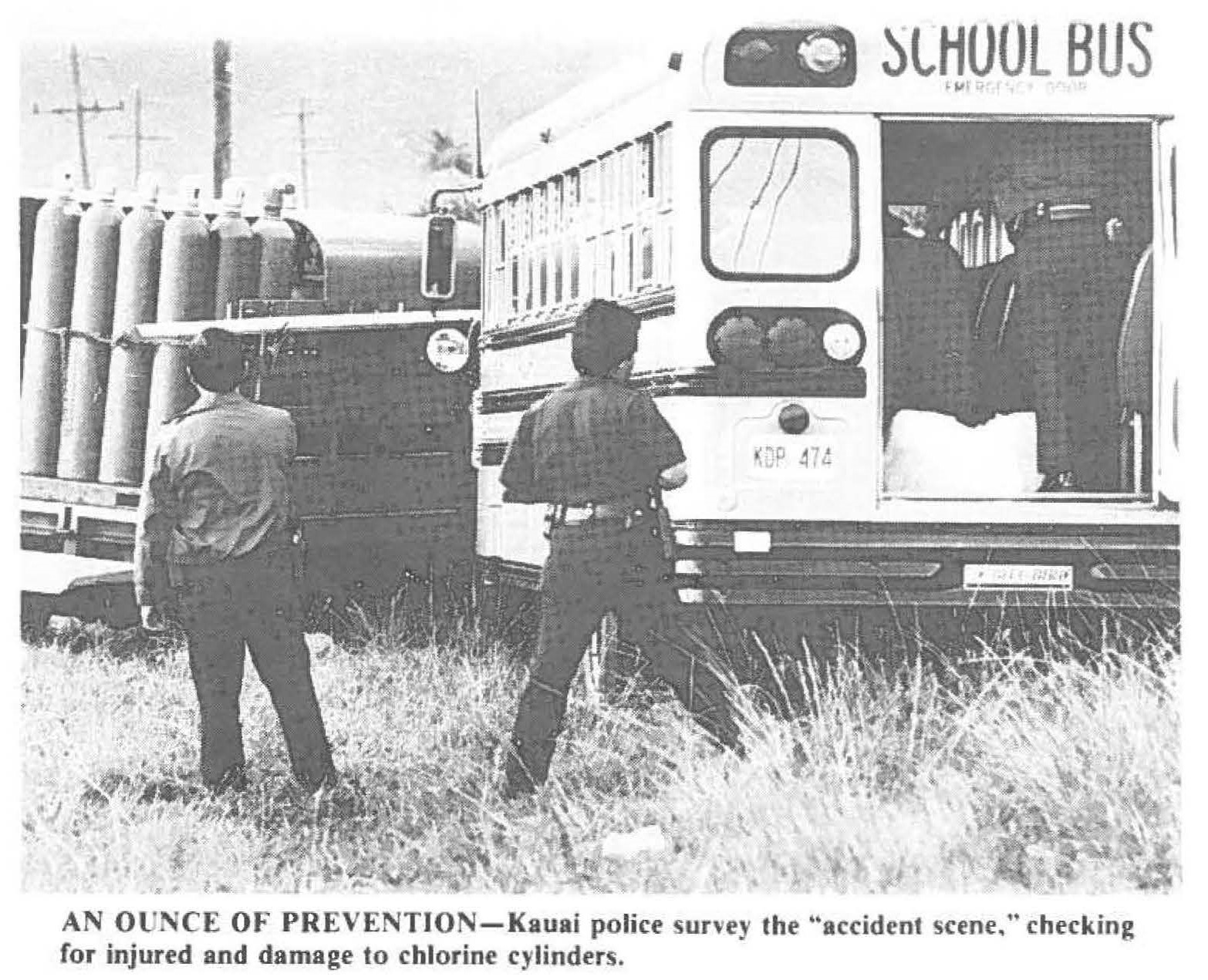
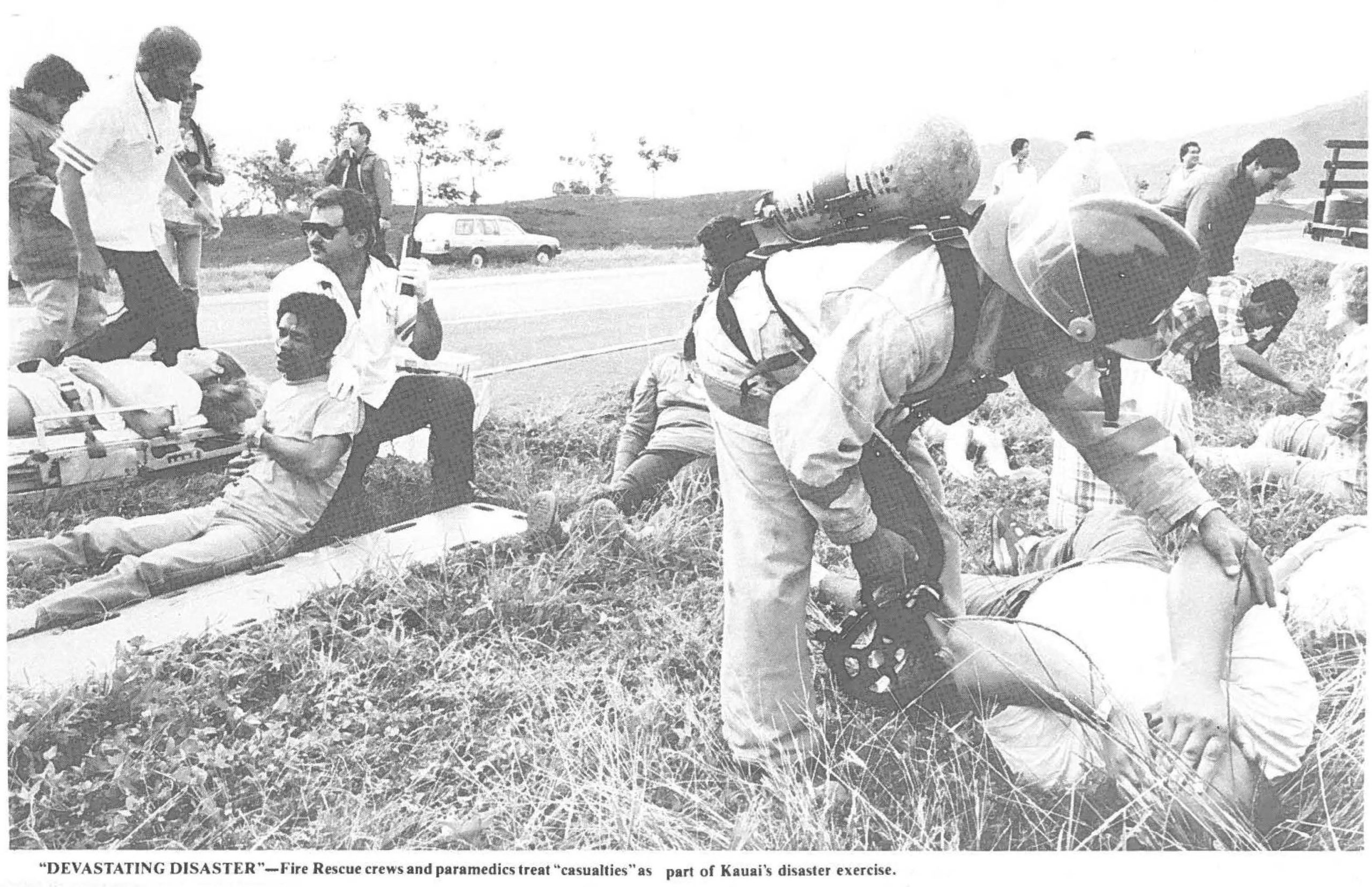
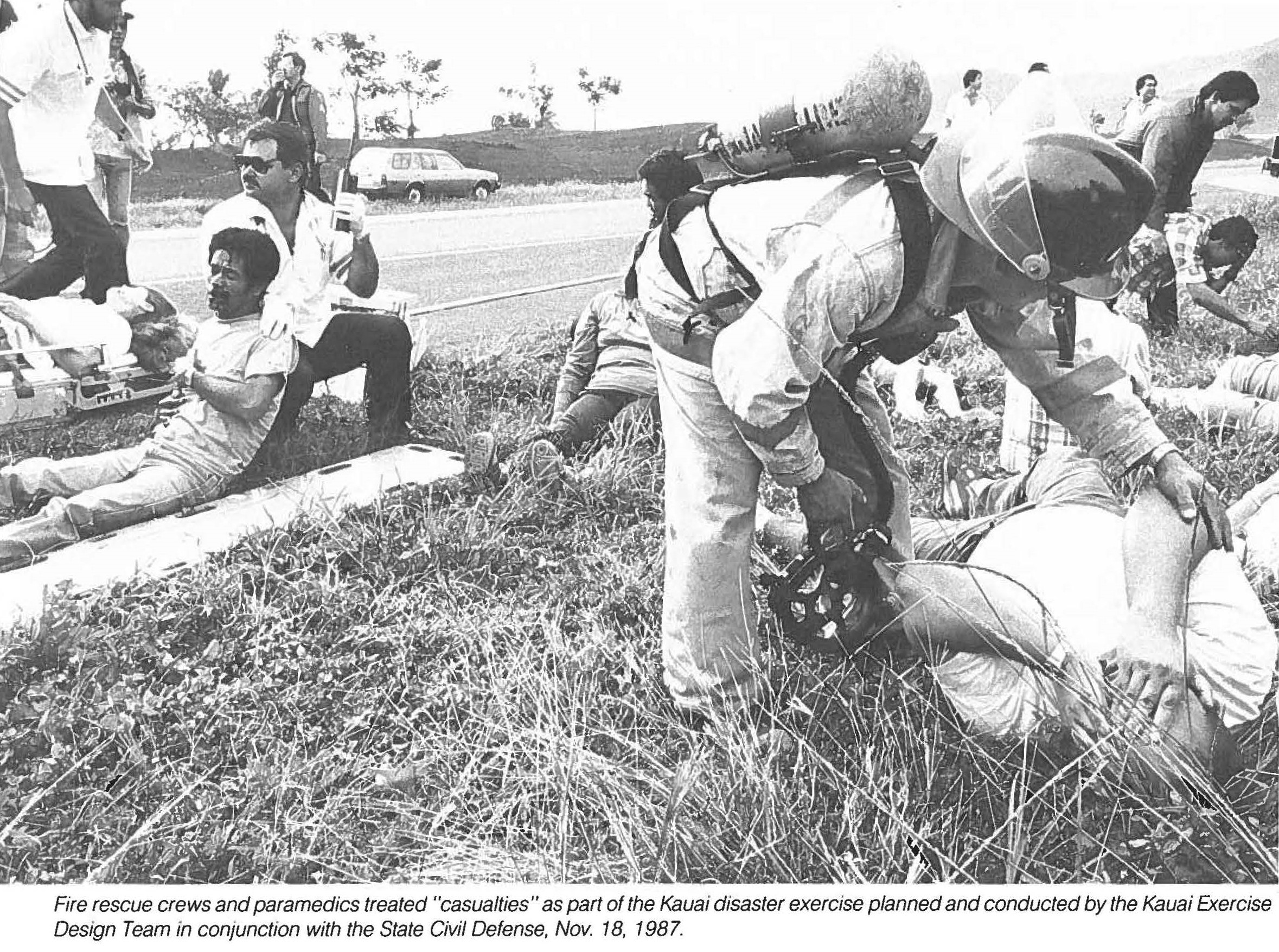
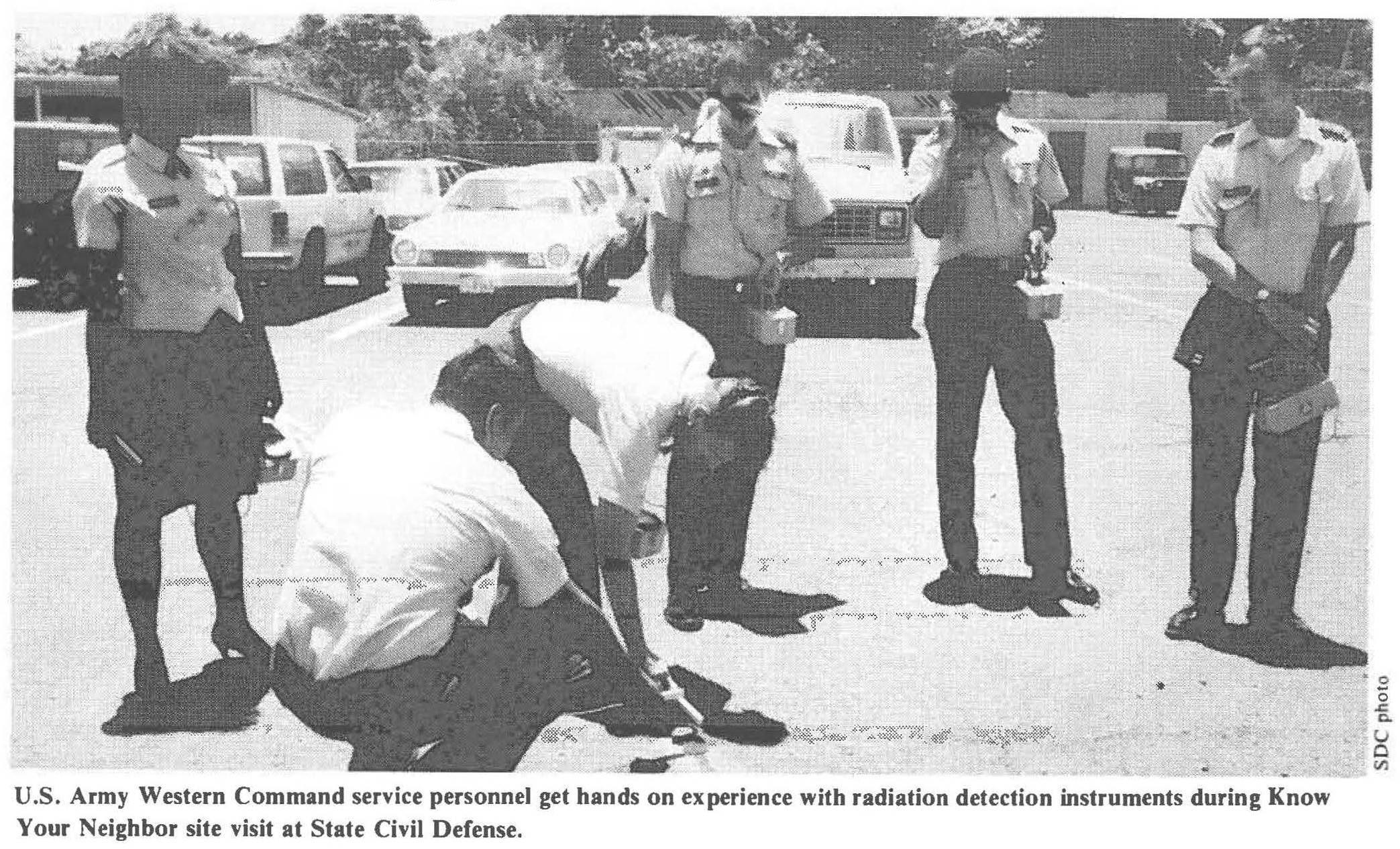
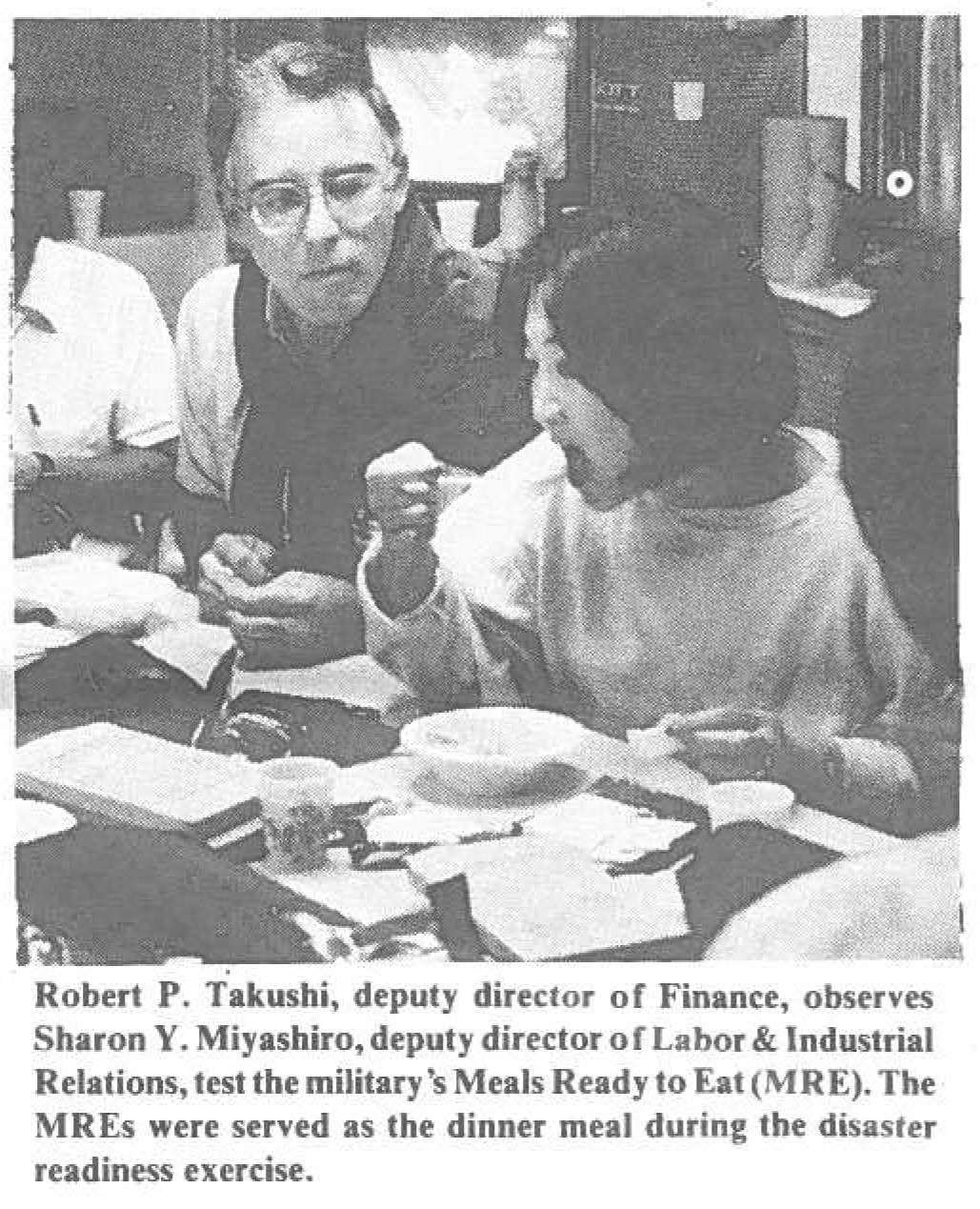
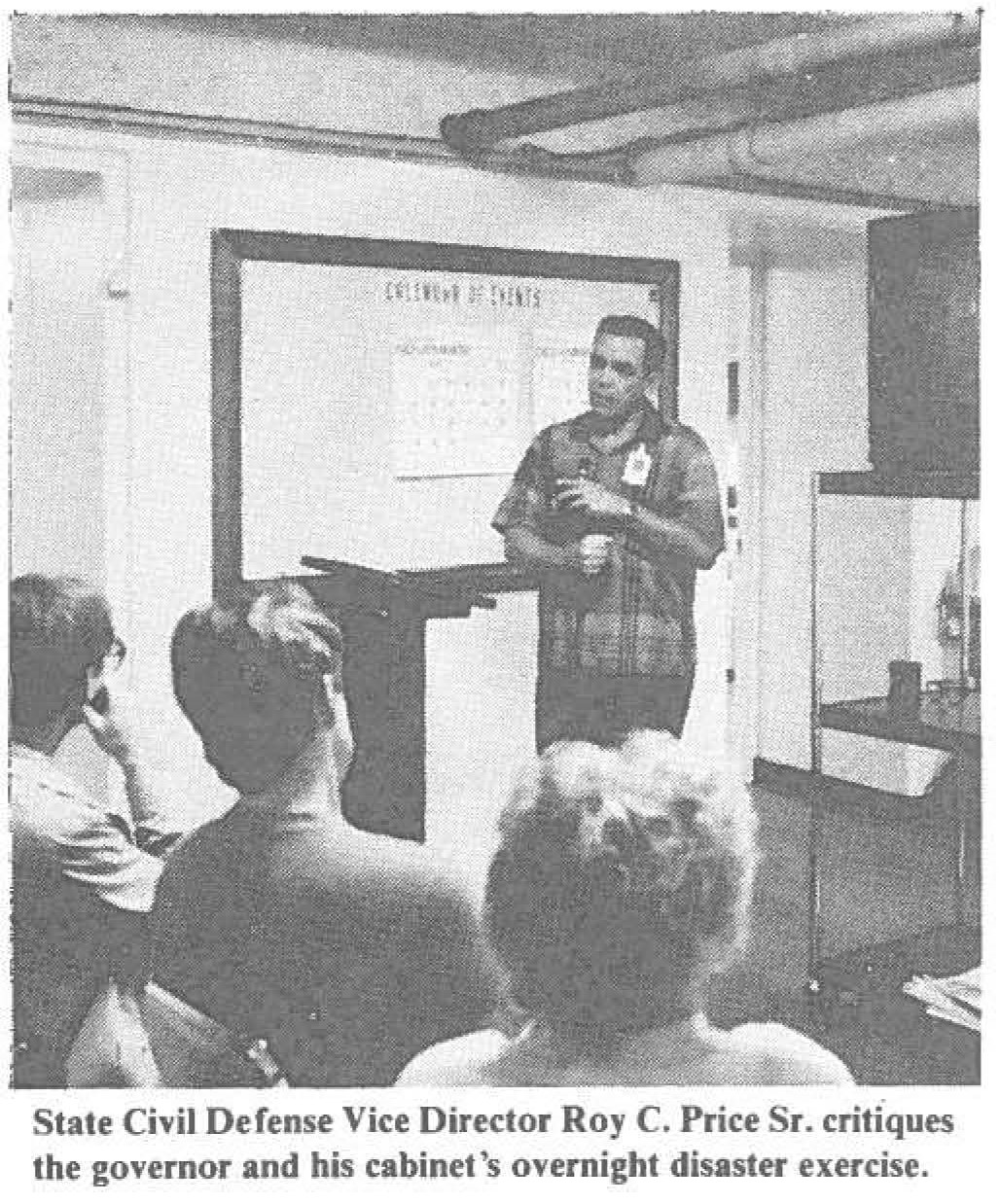
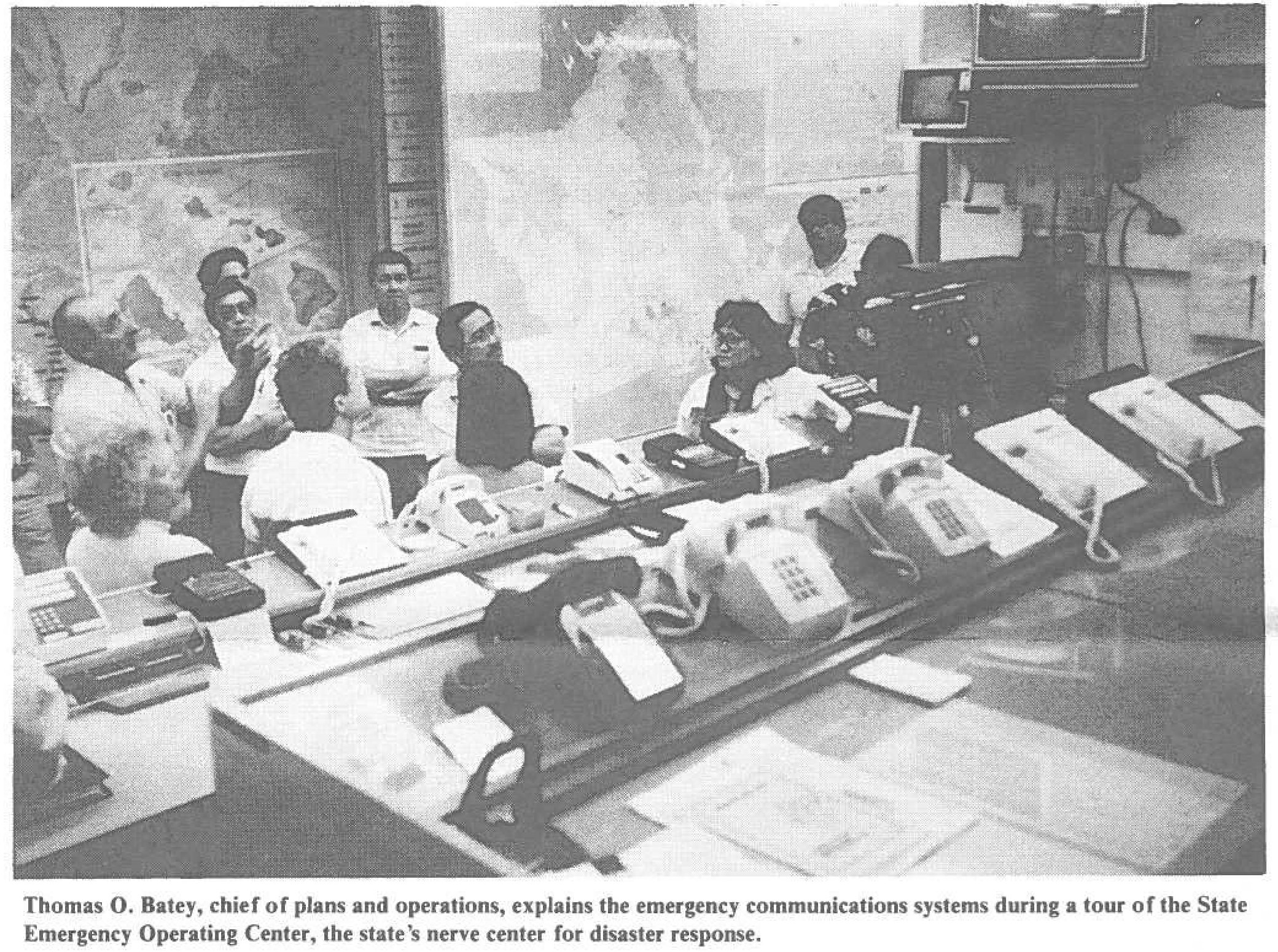
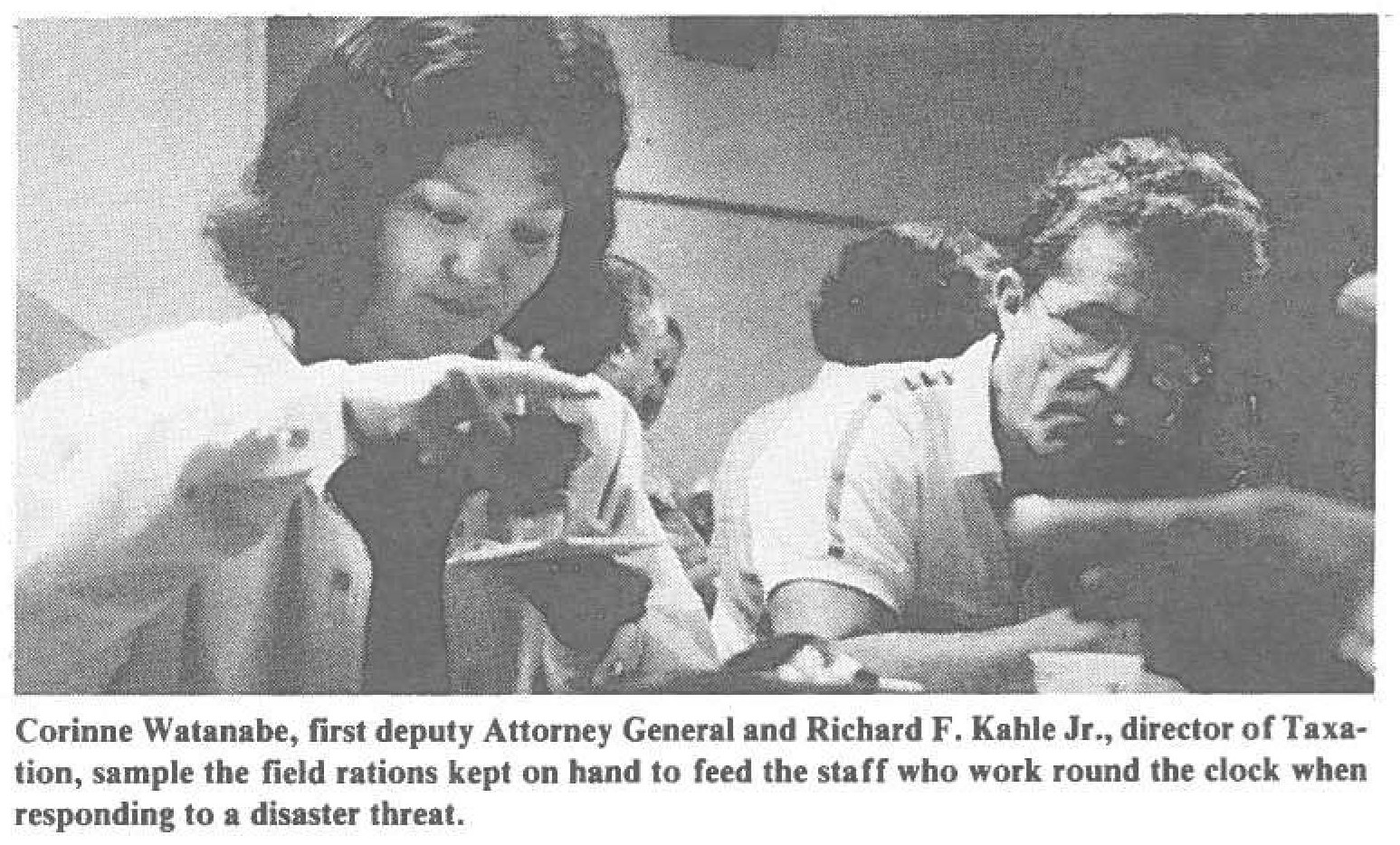
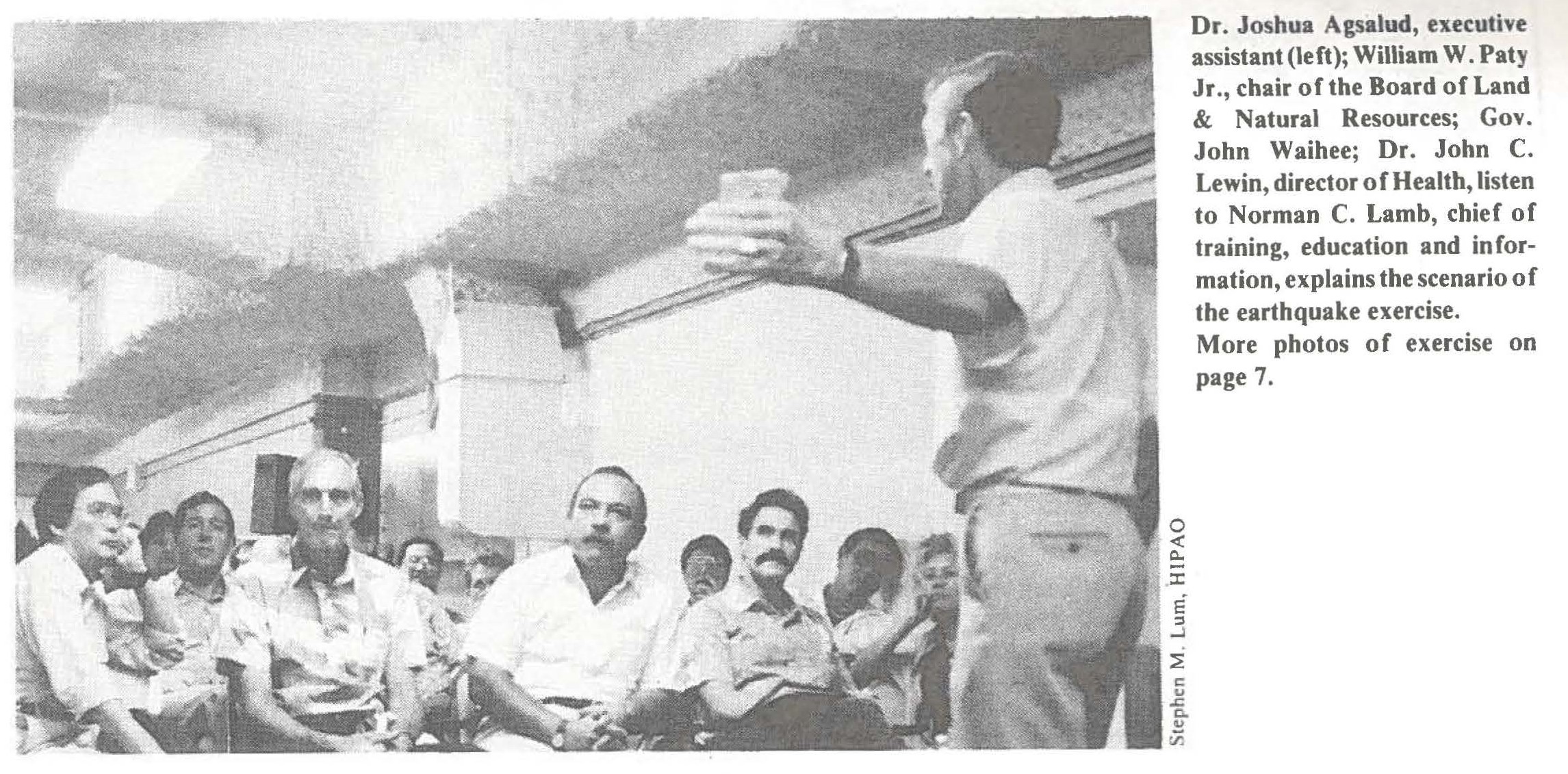
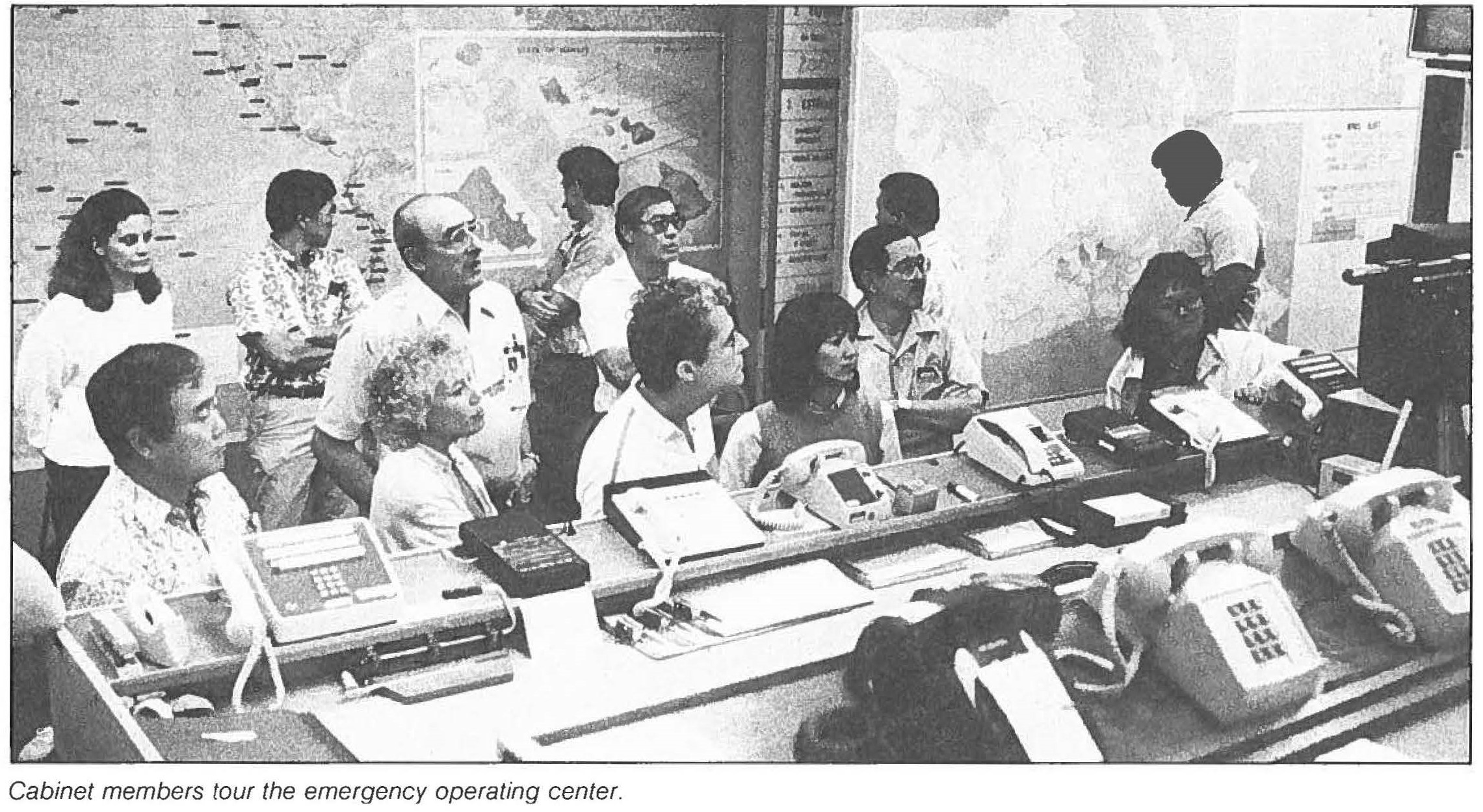
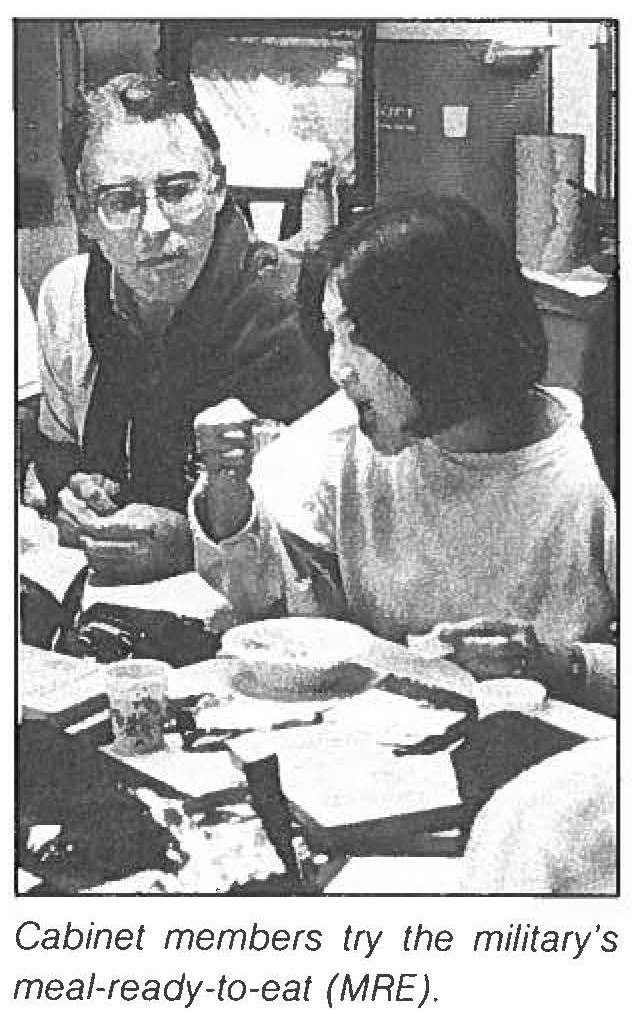
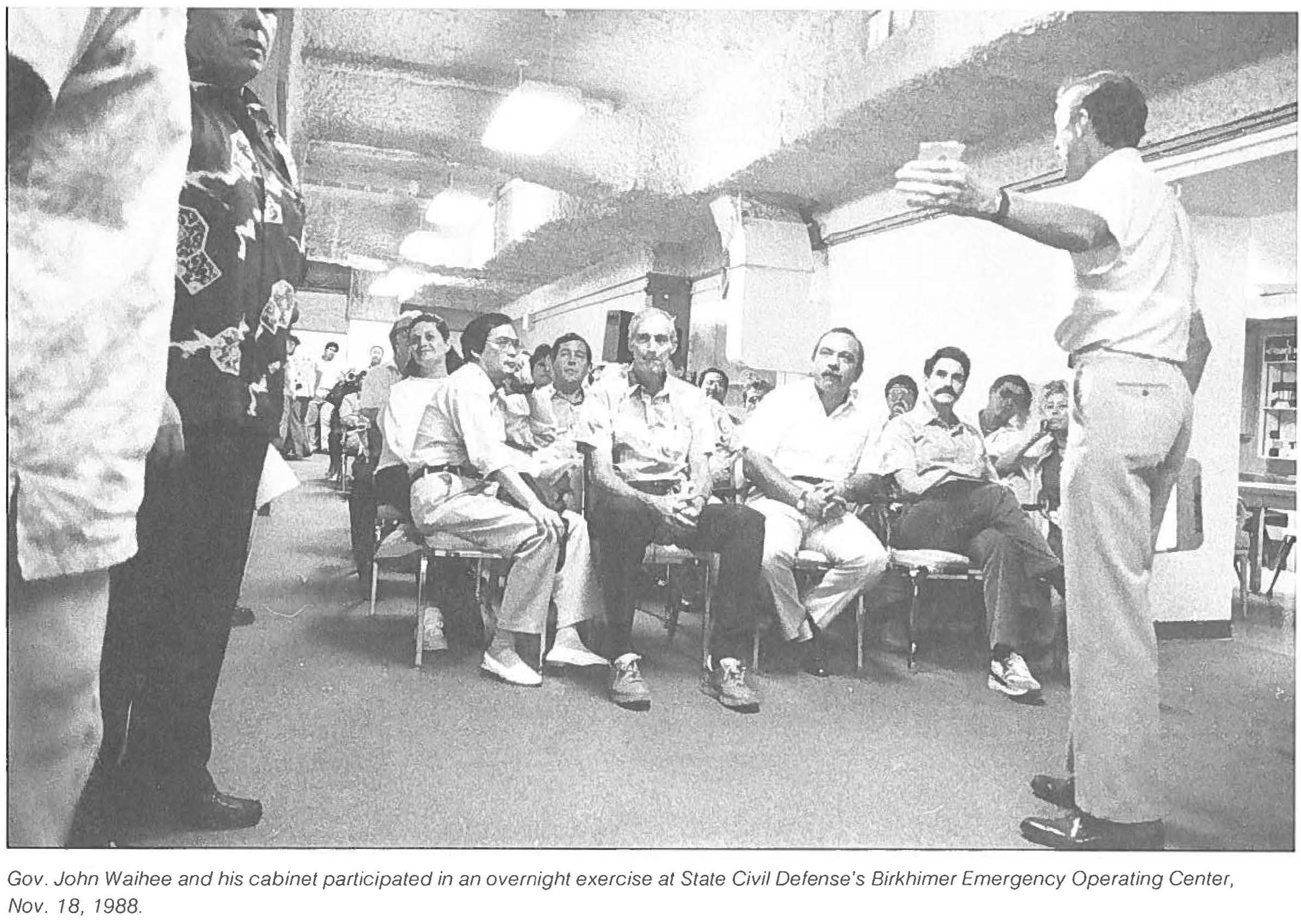
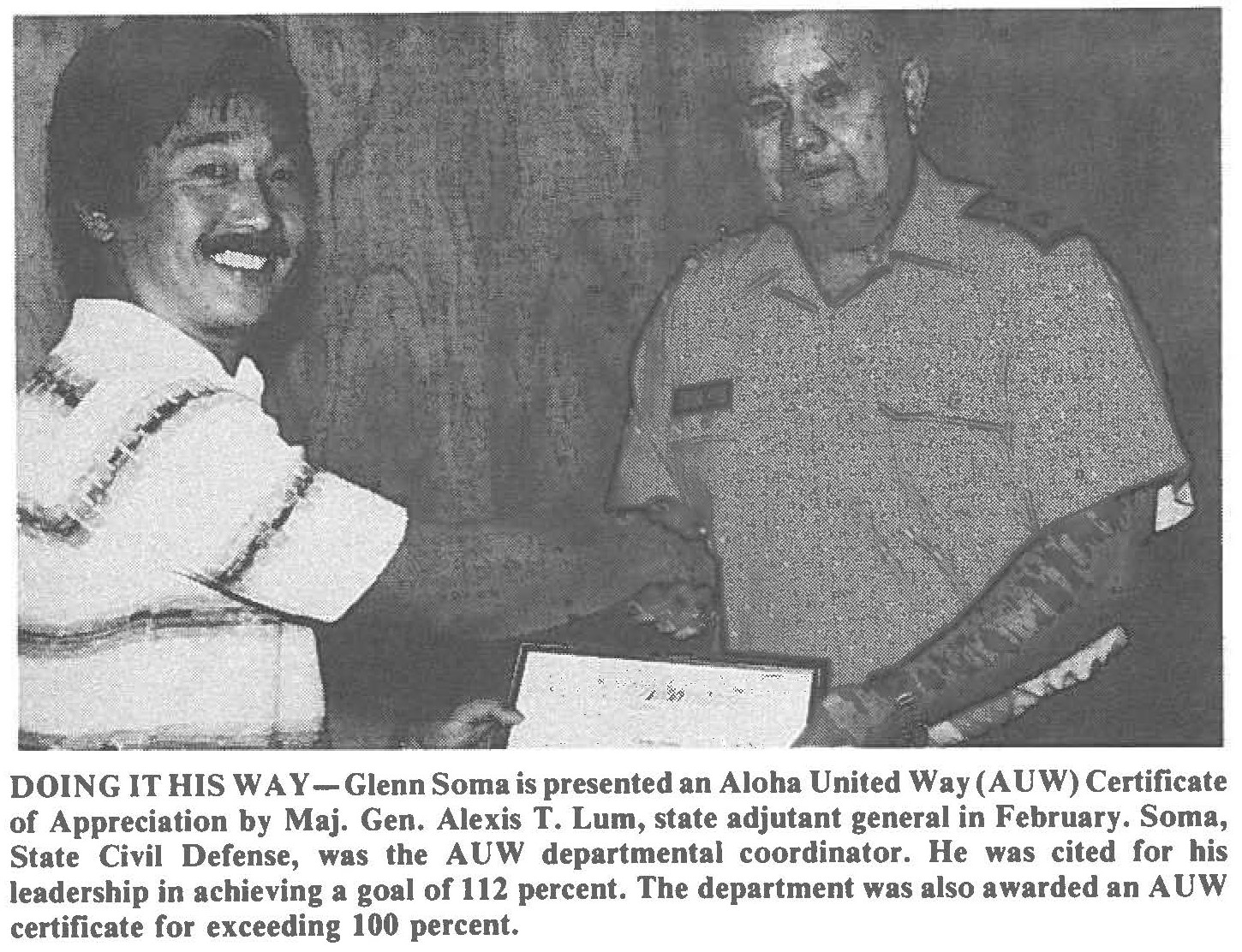
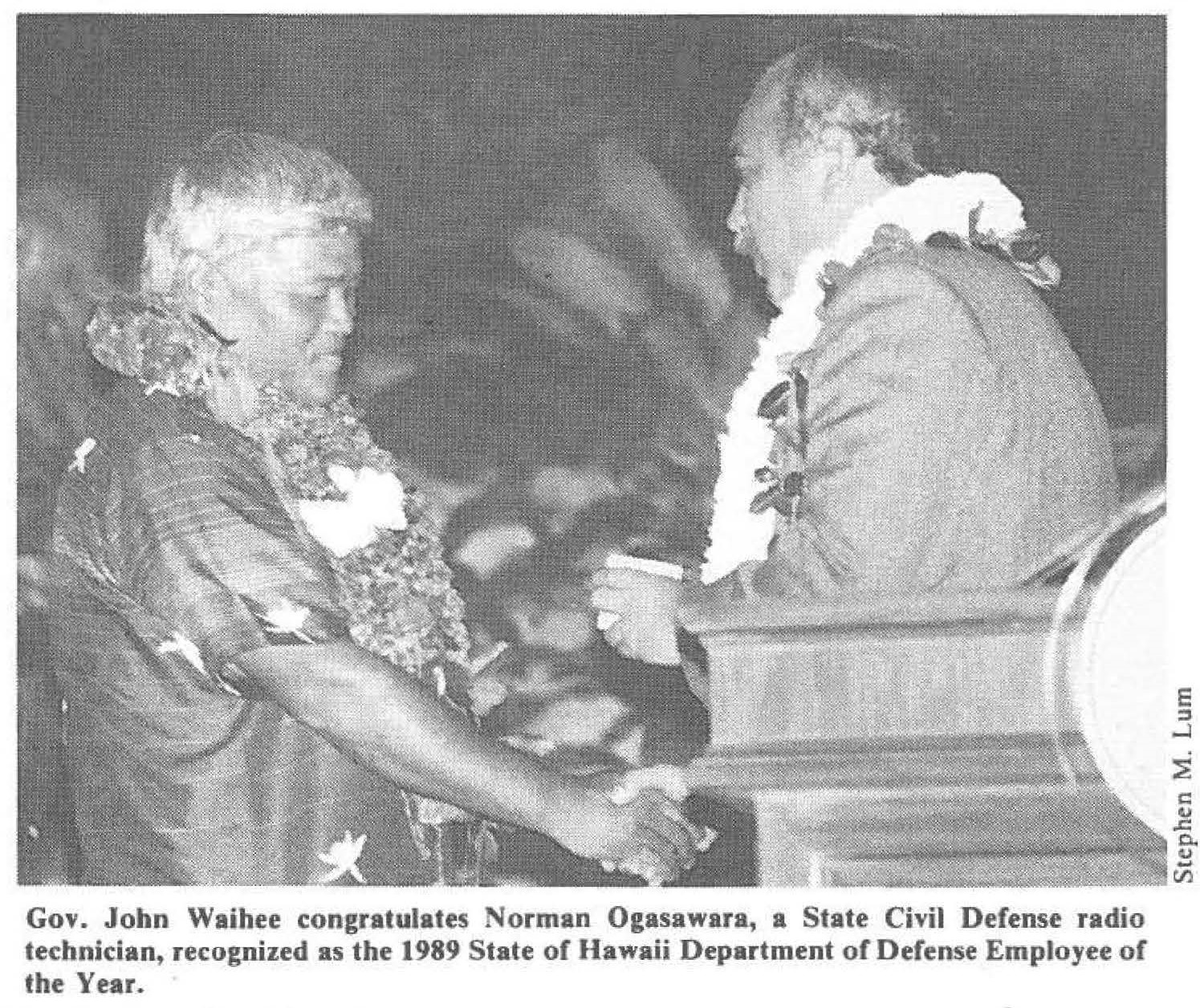
Civil Defense officials meet to plan and determine agency responses to disaster situations. (Pictures from the 1980 Annual Report)Robert E. Schank(Picture from the 1980 September Pūpūkahi)CD’s B’wig ……………… Page 5(Picture from the 1981 Spring Pūpūkahi)Frank T.S. Kim(Picture from the 1982 Fall Pūpūkahi)October 1983 saw Hurricane Raymond on a course that could have taken it directly over the Hawaiian island chain. Fortunately, the storm veered to the north before reaching the Big Island and blew itself out while still at sea. (Pictures from the 1984 Annual Report)FEMA AWARD- Marilyn Kali, departing Information Officer for the Civil Defense Division displays a certificate of appreciation presented to her by the Federal Emergency Management Agency (FEMA) on the eve of her departing DOD to accept a senior information position with the Dept of Transportation. To her left is Verne Paul, PIO, Region Nine, FEMA, who presented the award. MGen Alexis T. Lum, State Director of Civil Defense is to her left. (Picture from the 1984 Second Quarter Pūpūkahi)A satellite photo displays the ” current” position of Hurricane Nele and the State Civil Defense staff plots its general direction and takes appropriate actions. A Slate Civil Defense staff member briefs Department of Defense personnel on procedures and actions taken during emergency situations. (Pictures from the 1985 Annual Report)Ms. Barbara Hendrie (Picture from the 1985 April – June Pūpūkahi)HURRICANE WATCH-Civil Defense Planner Tom Brown and Intelligence Chief Norm lamb track the progress of Hurricane Ignacio. Stale Civil Defense photo. (Picture from the 1985 July September Pūpūkahi)State Civil Defense Emergency Checklist (Picture from the 1985 October-December Pūpūkahi)A tsunami bore moves up the Paulauila Stream from Kaiaka Bay in Waialua, Oahu. The tsunami, triggered by an earthquake in Adak, Alaska, registering 7.7 on the Richter scale, caused no damage.State Civil Defense personnel gather information on statewide preparedness during a tsunami exercise. (Pictures from the 1986 Annual Report)DISASTER PREPAREDNESS-State Civil Defense personnel (left to right) Norm Lamb, Bob Yoder, and Dr. Pararas Caryannis gather information on statewide preparations for the “tsunami”. (SCD photo)(Picture from the 1986 January – March Pūpūkahi)Hawaii’s Hurricane Season Starts(Picture from the 1986 April – June Pūpūkahi)STAR INSPECTION Lt. Gen. William H. Schneider, Deputy Commander in Chief, tours the civil defense communications facilities with Communications Branch Chief Takeo lnokuchi. PREMIER TASK ’86 PREVIEW-Admiral Ronald J. Hays (right), Commander in Chief, U.S. Pacific Command, listens to the Civil Defense Emergency Operations Briefing provided by the State Civil Defense staff, during the ongoing Premier Task ’86 exercise.(Pictures from the 1986 October – December Pūpūkahi)Admiral Ronald J. Hays, Commander in Chief, U.S. Pacific Command, receives an update briefing during a State Civil Defense exercise held in September 1986. Civil Defense training and exercises are held year-round for emergency operations and response. Shown, in full protective gear, a radiation monitoring course participant practices instrument readings for locating a radioactive source. (Pictures from the 1987 Annual Report)Storm Surge The winds of a hurricane- by definition 74 miles an hour or more-can be very dangerous. For some of Hawaii’s lightly built homes and other structures, wind forces alone might be destructive, especially where augmented by local terrain effects. Structures on exposed ridges or situated to the lee of mountain passes that funnel the wind may be especially vulnerable to damage. One of the greatest threats from a hurricane’s winds is their cargo of flying missiles, such as lawn furniture, signs, roofing materials and metal sidingIn the mainland U.S., floods and flash floods brought by hurricanes have at times been dangerous killers. Even a weakening storm can produce torrential rains capable of causing great damage and loss of life. In Hawaii, heavy hurricane rains falling on our steep hillsides can be expected to cause landslides, severe flash flooding, and the widespread overtopping of streams and ditches. In lowlands and other poorly drained areas, water from rainfall and runoff may accumulate to depths of several feet.(Pictures from the 1987 April – June Pūpūkahi)Roy C. Price, Sr. (Picture from the 1987 July-September Pūpūkahi)EVACUATION ASSISTANCE-A Kauai fire rescue crewman readies an “accident victim” for transport. Civil Defense exercise, page 5AN OUNCE OF PREVENTION-Kauai police survey the “accident scene,” checking for injured and damage to chlorine cylinders. “DEVASTATING DISASTER “-Fire Rescue crews and paramedics treat “casualties” as part of Kauai’s disaster exercise.(Picture from the 1987 October – December Pūpūkahi)Fire rescue crews and paramedics treated “casualties” as part of the Kauai disaster exercise planned and conducted by the Kauai Exercise Design Team in conjunction with the State Civil Defense, Nov. 18, 1987. (Pictures from the 1988 Annual Report)U.S. Army Western Command service personnel get hands on experience with radiation detection instruments during Know Your Neighbor site visit at State Civil Defense. (Pictures from the 1988 July – September Pūpūkahi)Robert P. Takushi, deputy director of Finance, observes Sharon Y. Miyashiro, deputy direct or or Labor & Industrial Relations, test the military’s Meals Ready to Eat (MRE). The MREs were served as the dinner meal during the disaster readiness exercise.State Civil Defense Vice Director Roy C. Price Sr. critiques the governor and his cabinet’s overnight disaster exercise. Thomas 0. Batey, chief of plans and operations, explains the emergency communications systems during a tour of the State Emergency Operating Center, the state’s nerve center for disaster responseCorinne Watanabe, first deputy Attorney General and Richard F. Kahle Jr., diredor or Taxation, sample the field rations kept on hand to reed the staff who work round the clock when responding to a disaster threat. Dr. Joshua Agsalud, executive assistant (left); William W. Paty Jr., chair of the Board of Land & Natural Resources; Gov. John Waihee; Dr. John C. Lewin, director of Health, listen to Norman C. Lamb, chief of training, education and information, explains the scenario of the earthquake exercise. More photos of exercise on page 7. (Pictures from the 1988 October – December Pūpūkahi)Cabinet members tour the emergency operating center. Cabinet members try the military’s meal-ready-to-eat (MRE)Gov. John Waihee and his cabinet participated in an overnight exercise at State Civil Defense’s Birkhimer Emergency Operating Center, Nov. 18, 1988. (Pictures from the 1989 Annual Report)DOING IT HIS WAY – Glenn Soma is presented an Aloha United Way (AUW) Certificate of Appreciation by Maj. Gen. Alexis T. Lum, state adjutant general in February. Soma, State Civil Defense, was the AUW departmental coordinator. He was cited for his leadership in achieving a goal of 112 percent. The department was also awarded an AUW certificate for exceeding 100 percent. (Pictures from the 1989 January – March Pūpūkahi)TSUNAMI READINESS-Tom Brown, planner and Tom Batey, plans & operations chief (foreground) confer on exercise details with Maj. Gen. Alexis T. Lum, state adjutant general and state civil defense director and Roy Price, vice director. (Picture from the 1989 April – June Pūpūkahi)Gov. John Waihee congratulates Norman Ogasawara, a State Civil Defense radio technician, recognized as the 1989 State of Hawaii Department of Defense Employee of the Year. (Picture from the 1989 July – September Pūpūkahi)