Do you need help in another language? We will get you a free interpreter. Call 808-369-3580 to tell us which language you speak.
您需要其它語言嗎?如有需要,請致電 (808-369-3478), 我們會提供免費翻譯服務
您需要其它语言吗?如有需要,请致电 (808-369-3478), 我们会提供免费翻译服务
En mi niit alilis lon pwal eu kapas? Sipwe angei emon chon chiaku ngonuk ese kamo. Kokori (808-369-3478) omw kopwe ureni kich meni kapas ka ani.
Makemake `oe i kokua i pili kekahi `olelo o na `aina `e? Makemake la maua i ki`i `oe mea unuhi manuahi. E kelepona (808-369-3478)`oe ia la kaua a e ha`ina `oe ia la maua mea `olelo o na `aina `e.
Masapulyo kadi ti tulong iti sabali a pagsasao? Ikkandakayo iti libre nga paraipatarus. Awaganyo ti
(808-369-3478) tapno ibagayo kadakami no ania ti pagsasao nga ar-aramatenyo.
다른언어로 도움이 필요하십니까? 저희가 무료로 통역을 제공합니다. (808-369-3478)로 전화해서 사용하는 언어를 알려주십시요
Kwoj aikuij ke jiban kin juon bar kajin? Kim naj lewaj juon am dri ukok eo ejjelok wonen. Kirtok
(808-369-3478) im kwalok non kim kajin ta eo kwo melele im kenono kake.
E te mana'o mia se fesosoani i se isi gagana? Matou te fesosoani e ave atu fua se faaliliu upu mo oe. Vili mai i le numera lea (808-369-3478) pea e mana'o mia se fesosoani mo se faaliliu upu.
¿Necesita ayuda en otro idioma? Nosotros le ayudaremos a conseguir un intérprete gratuito. Llame al (808-369-3478) y diganos que idioma habla.
Kailangan ba ninyo ng tulong sa ibang lengguwahe? Ikukuha namin kayo ng libreng tagasalin. Tumawag sa (808-369-3478) para sabihin kung anong lengguwahe ang nais ninyong gamitin.
‘Okú ke fie maʻu tokoni ʻi ha lea fakafonua ʻe taha? Temau kumi haʻo taha fakatonulea taʻetotongi. Telefoni ki he (808-369-3478) ke fakahā mai ʻa e lea fakafonua ʻokú ke lea aí.
Bạn có cần giúp đỡ bằng ngôn ngữ khác không ? Chúng tôi se yêu cầu một người thông dịch viên miễn phí cho bạn. Gọi (808-369-3478)nói cho chúng tôi biết bạn dùng ngôn ngữ nào
Gakinahanglan ka ba ug tabang sa imong pinulongan? Amo kang mahatagan ug libre nga maghuhubad. Tawag sa (808-369-3478) aron magpahibalo kung unsa ang imong sinulti-han.
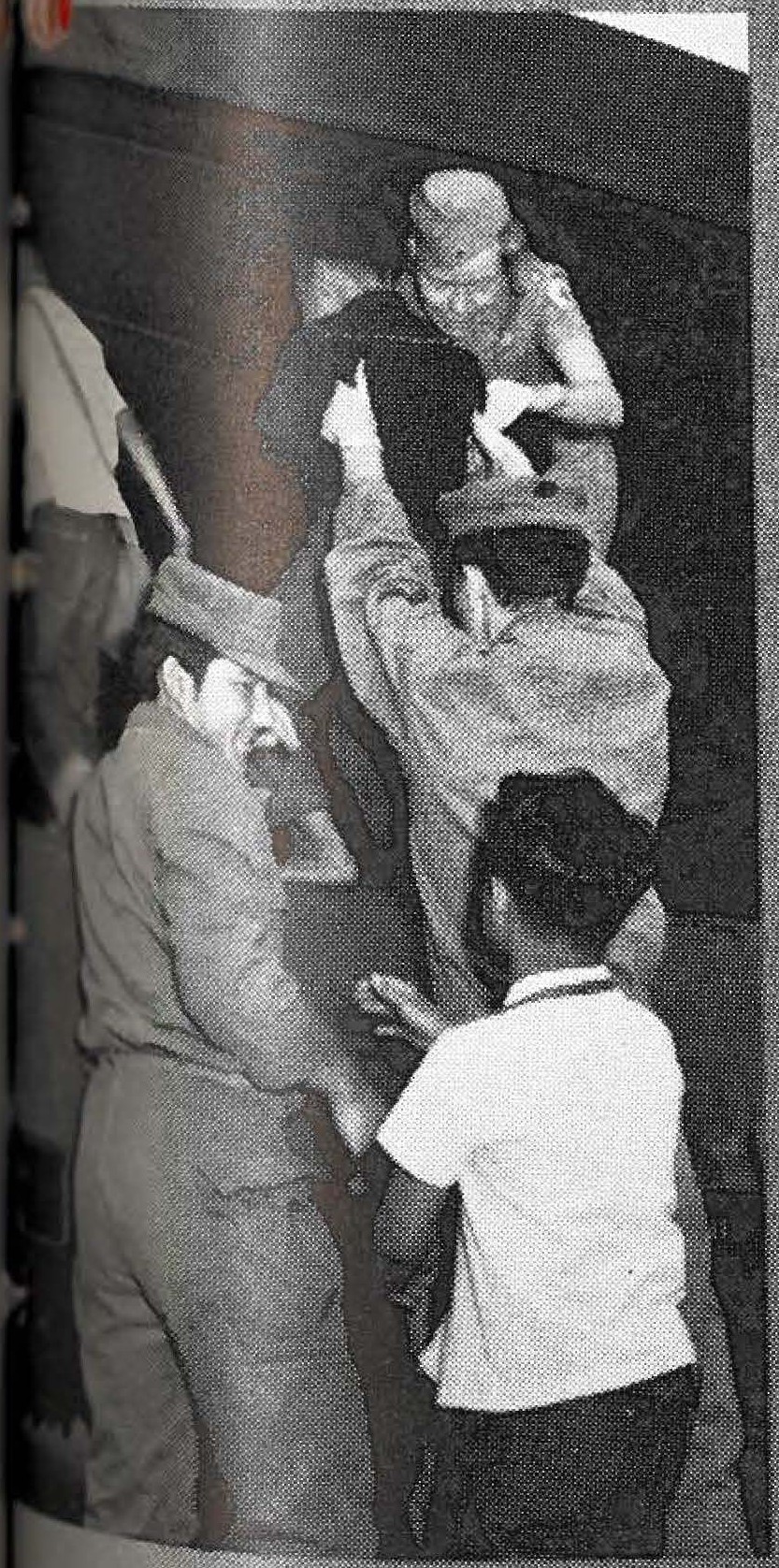
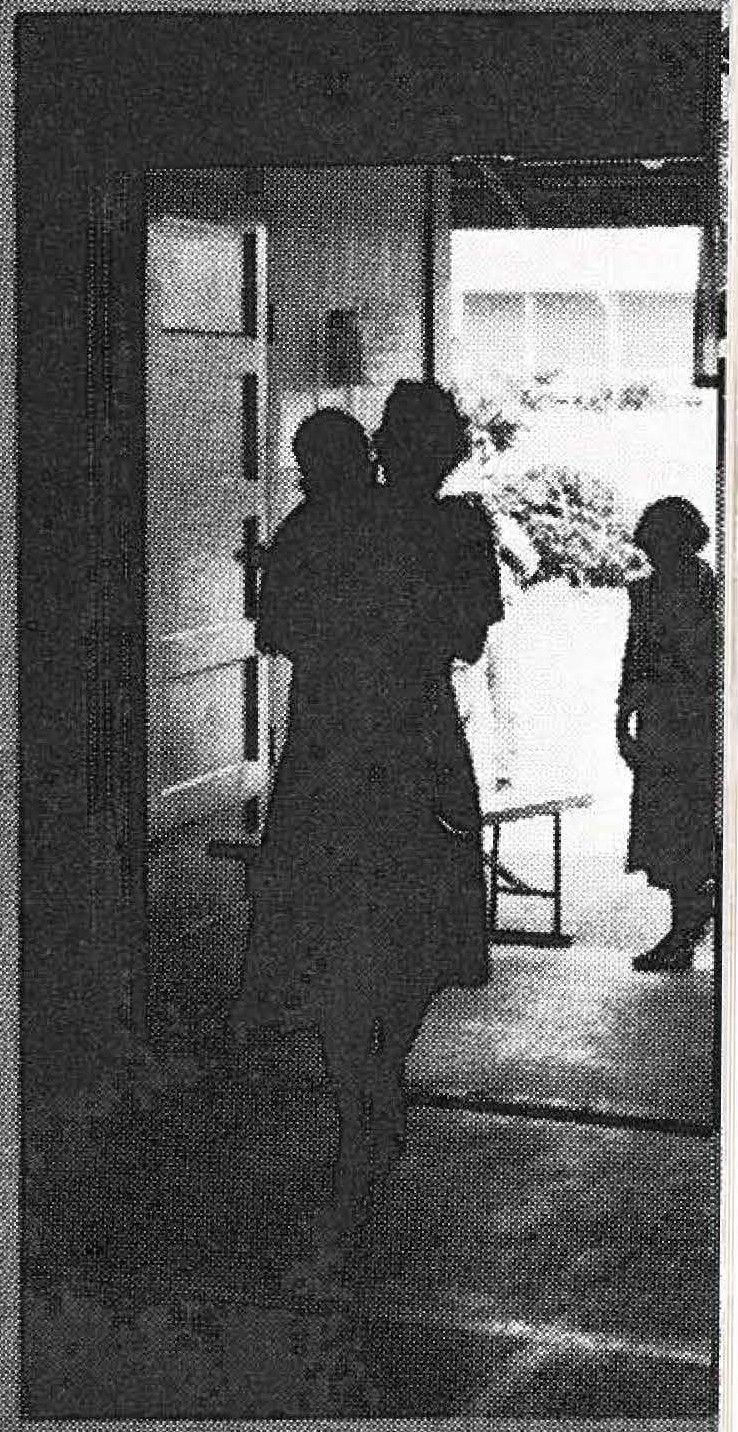
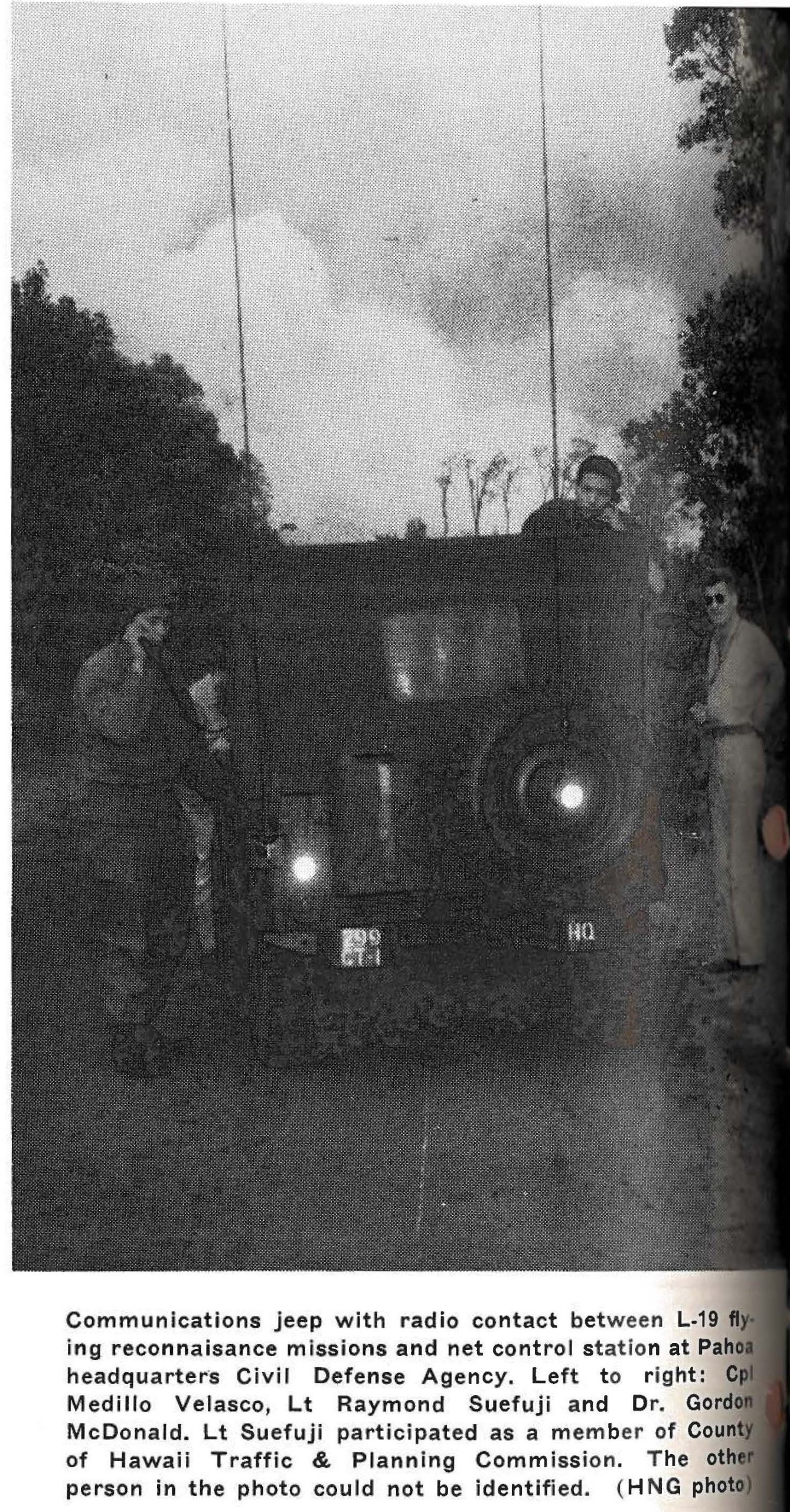
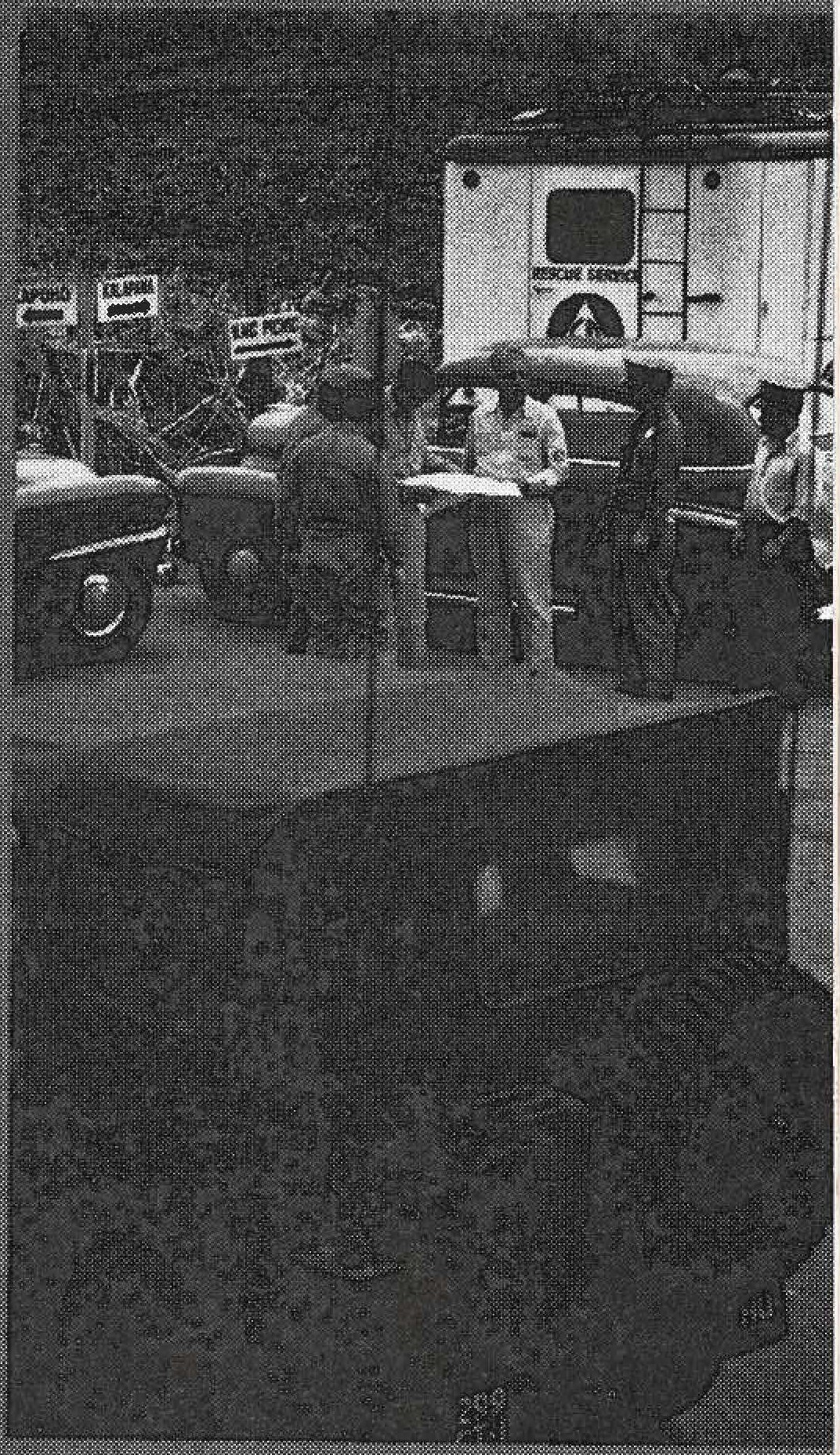
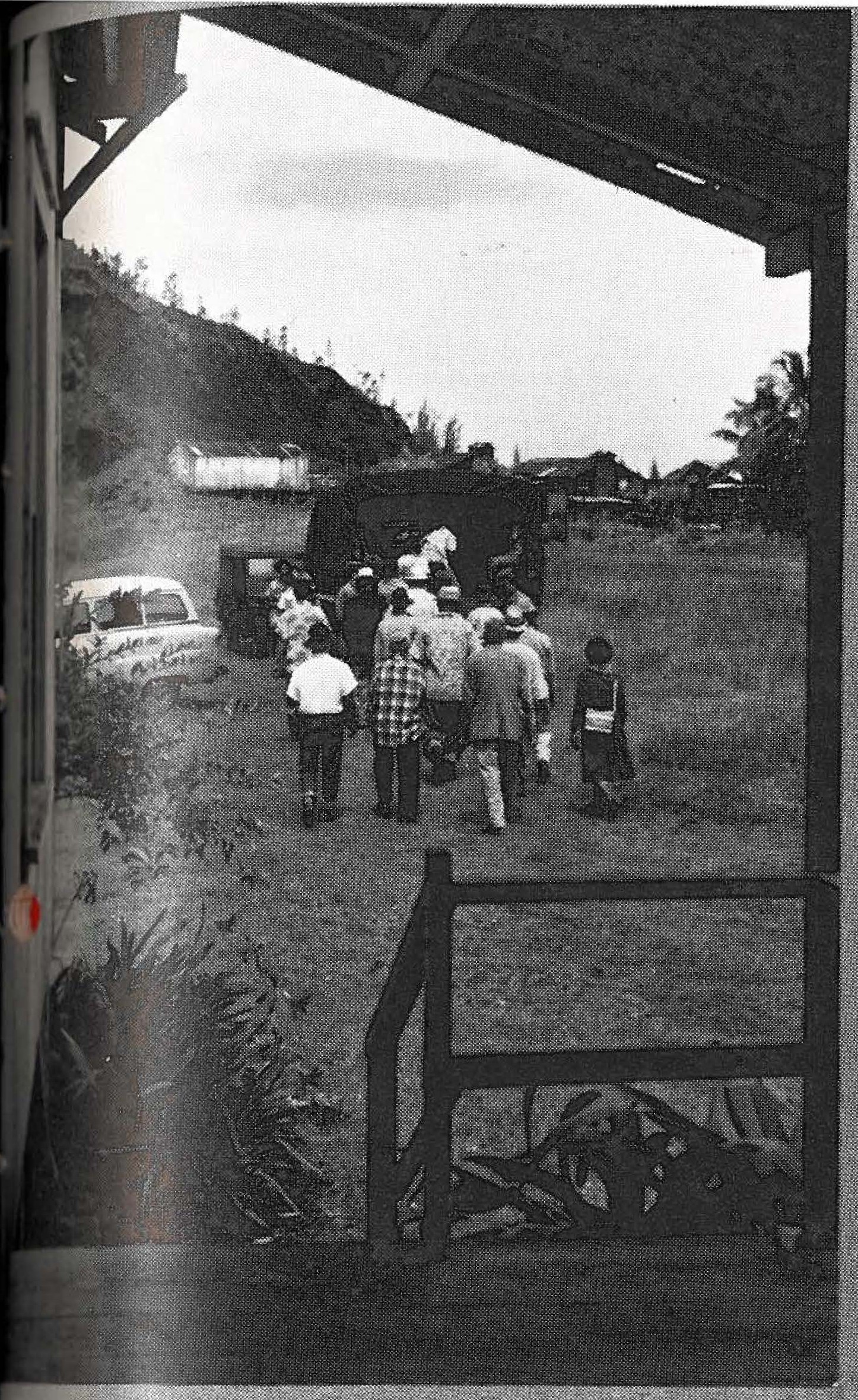
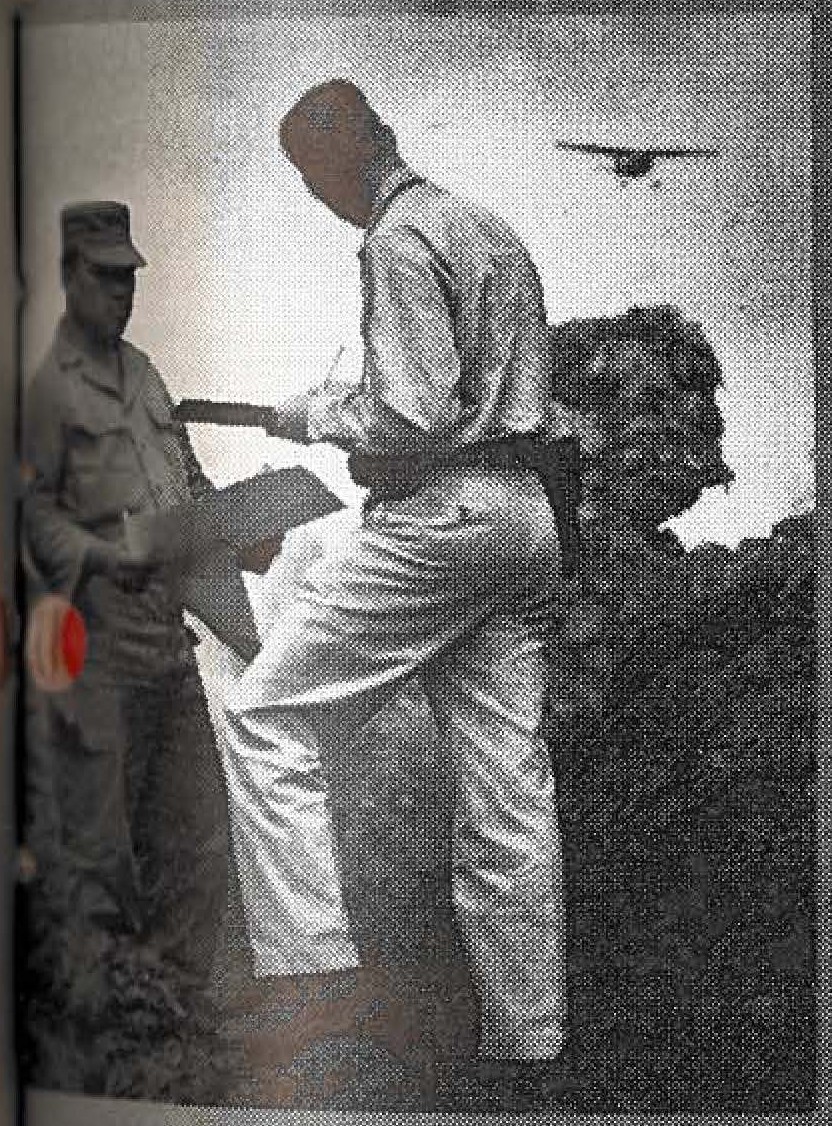
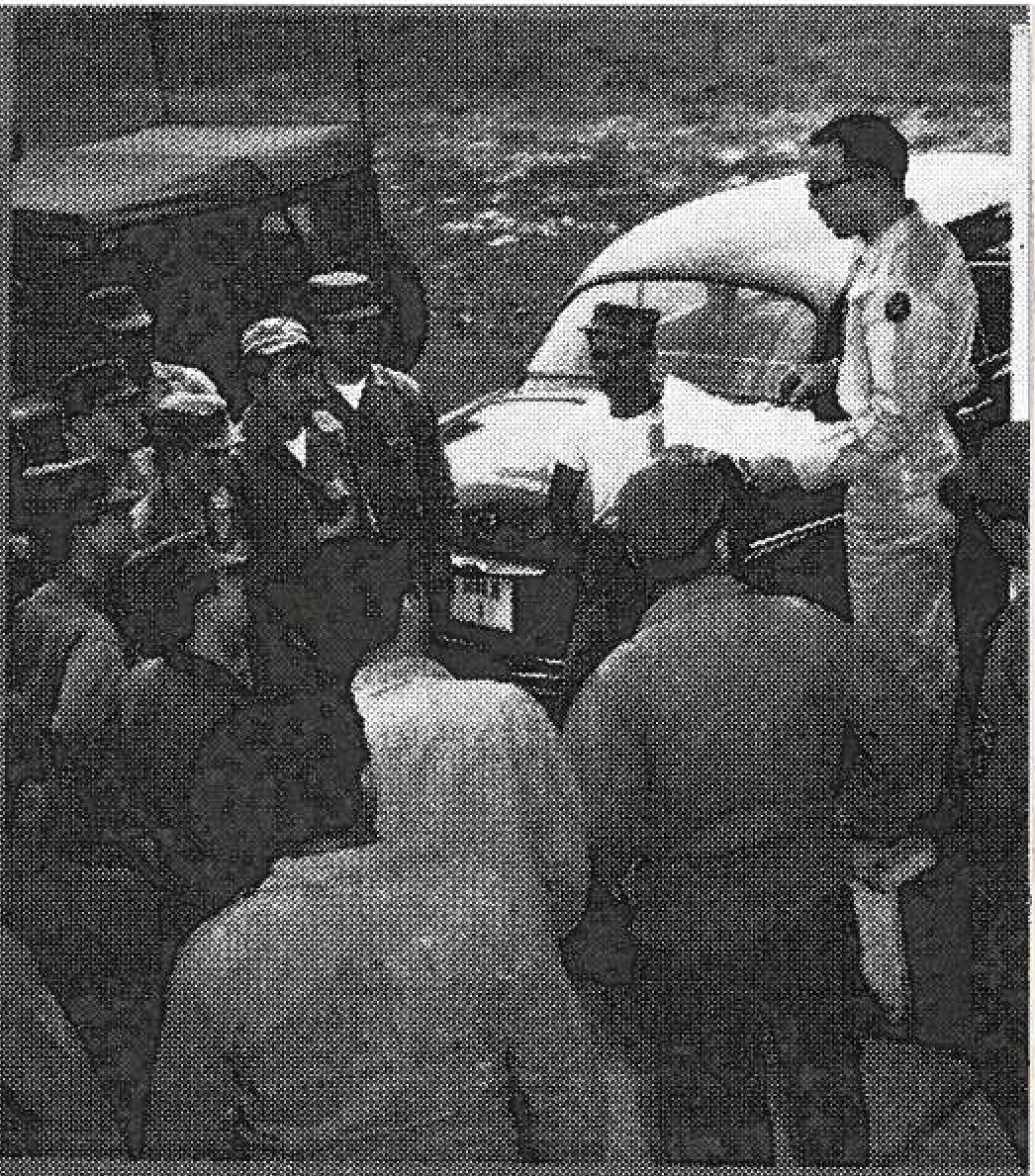
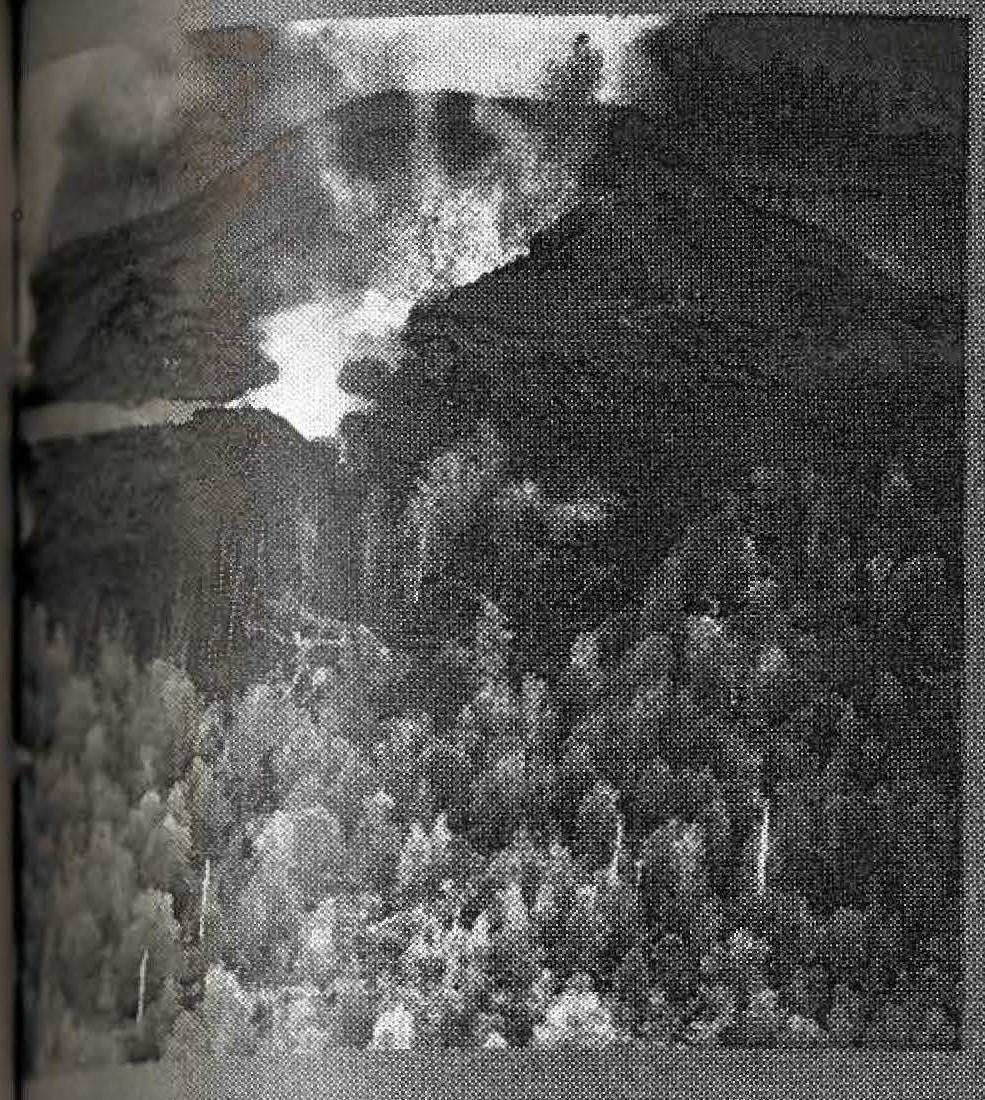
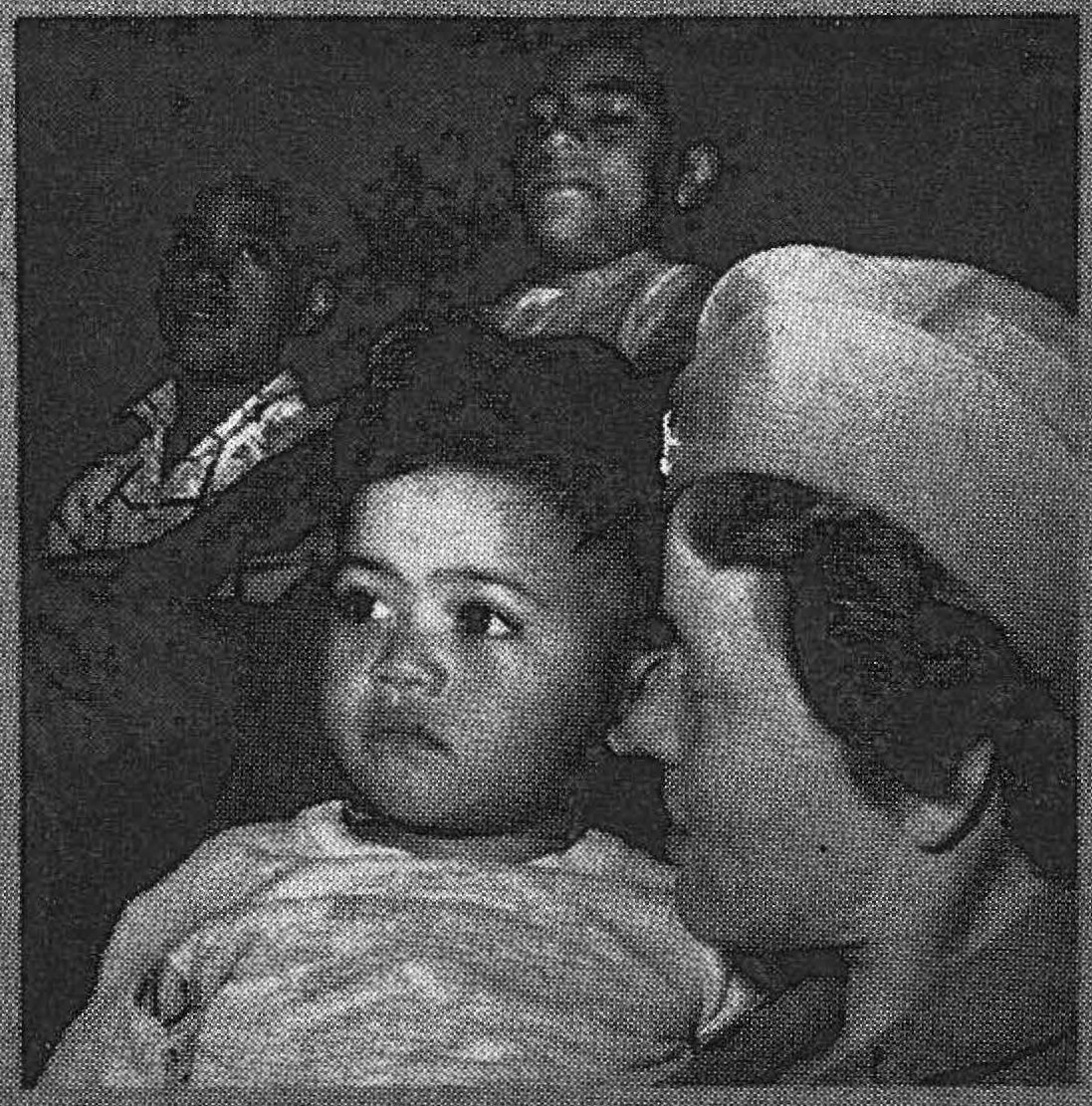
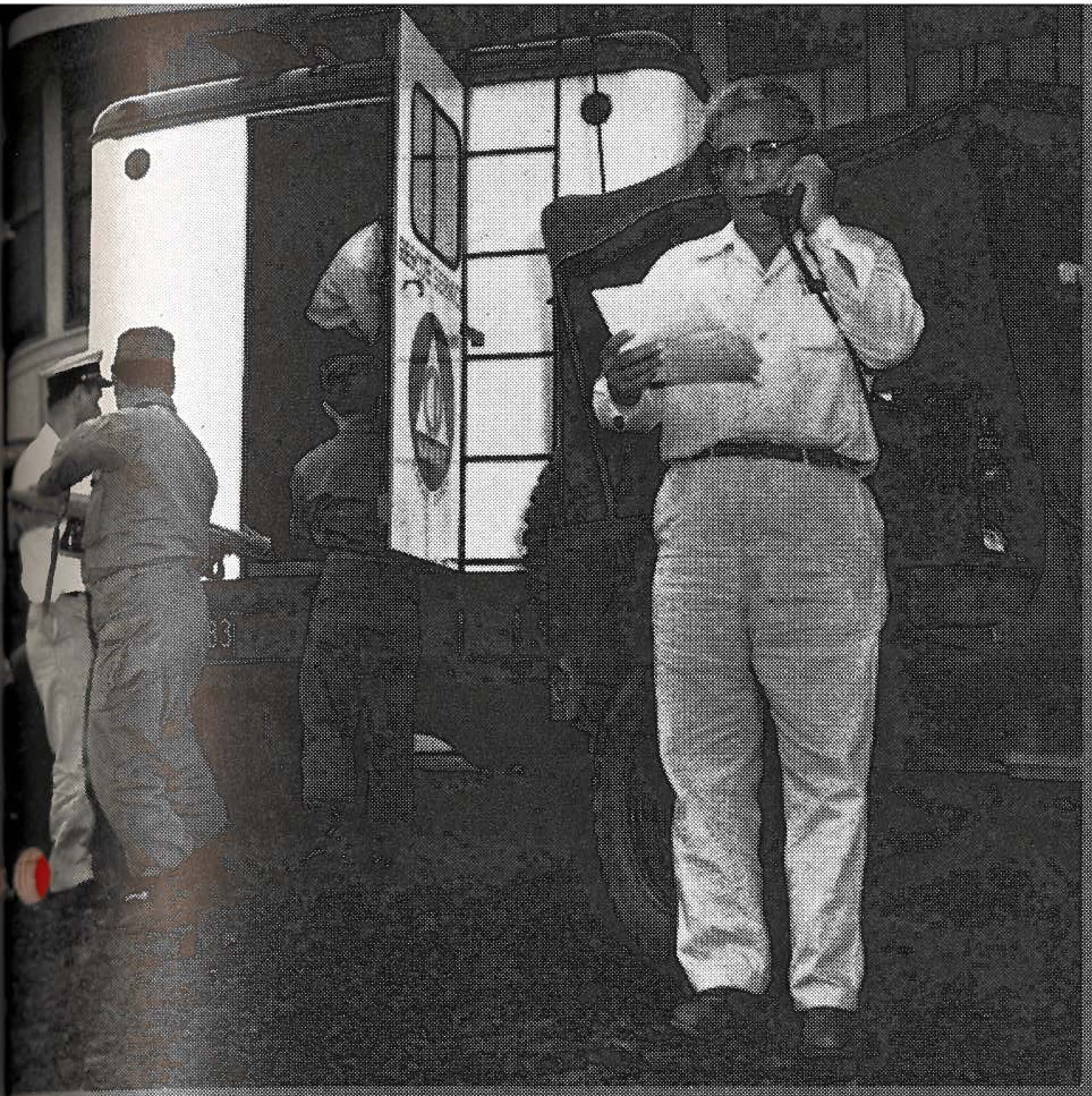
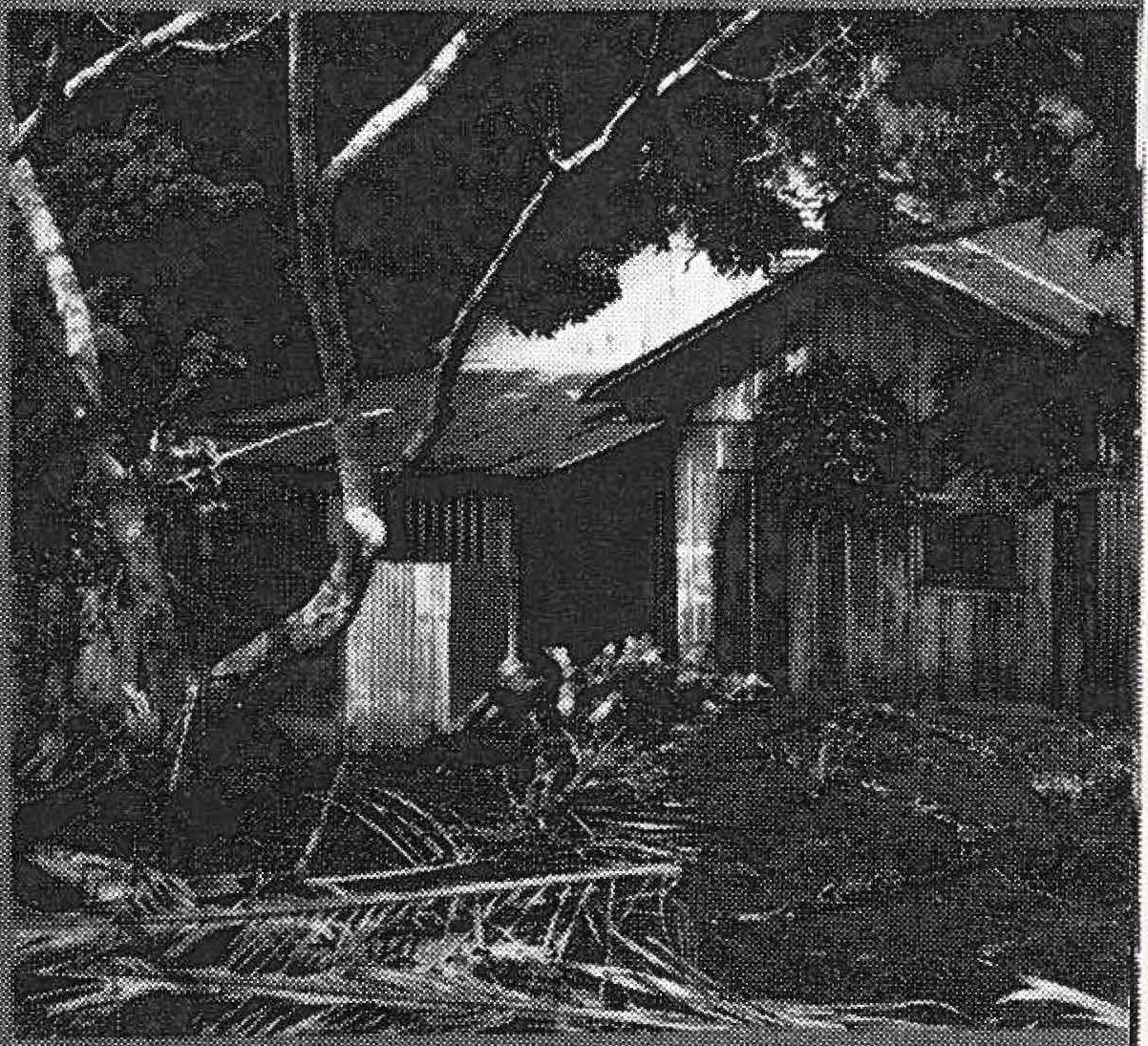
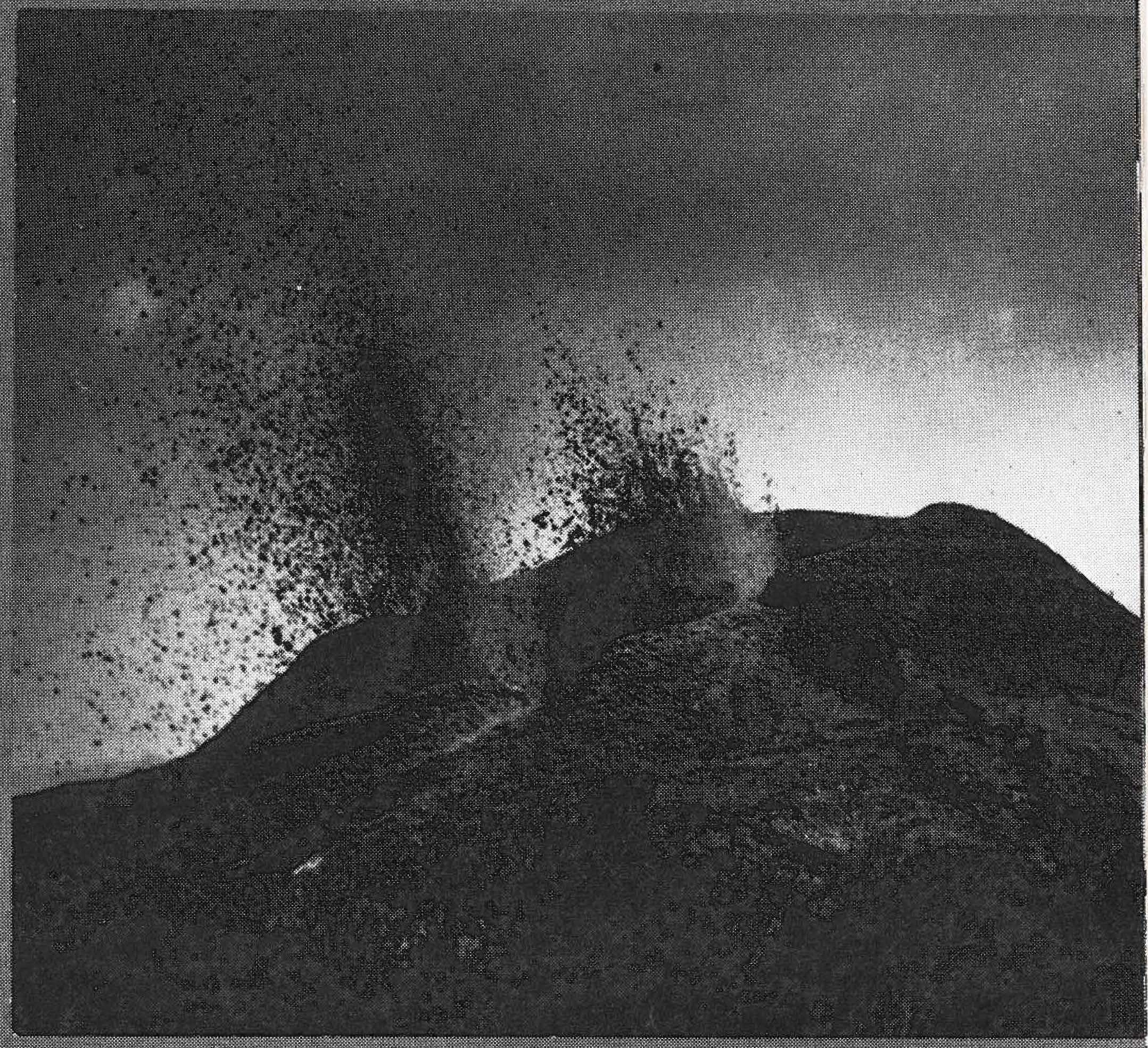
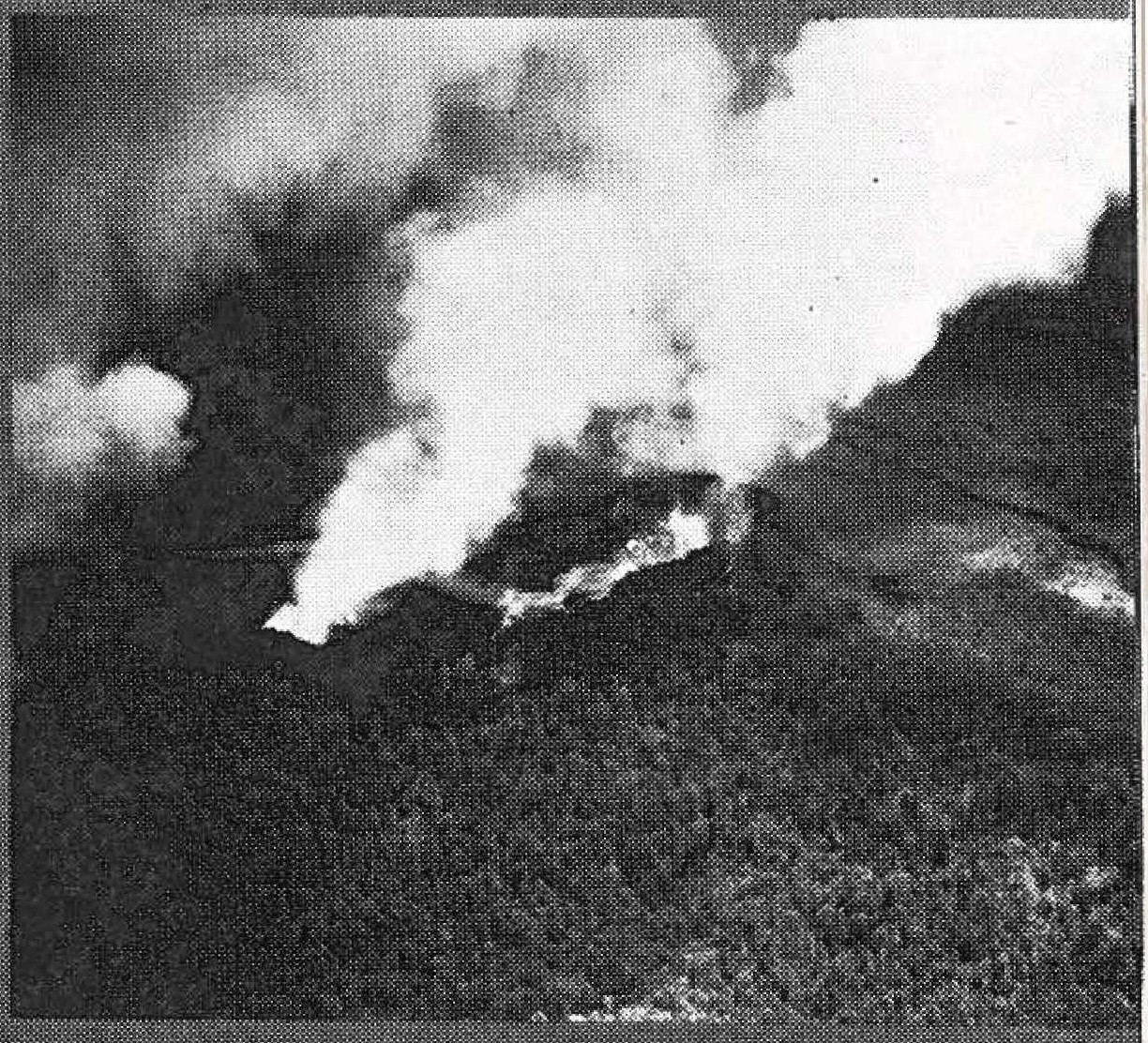
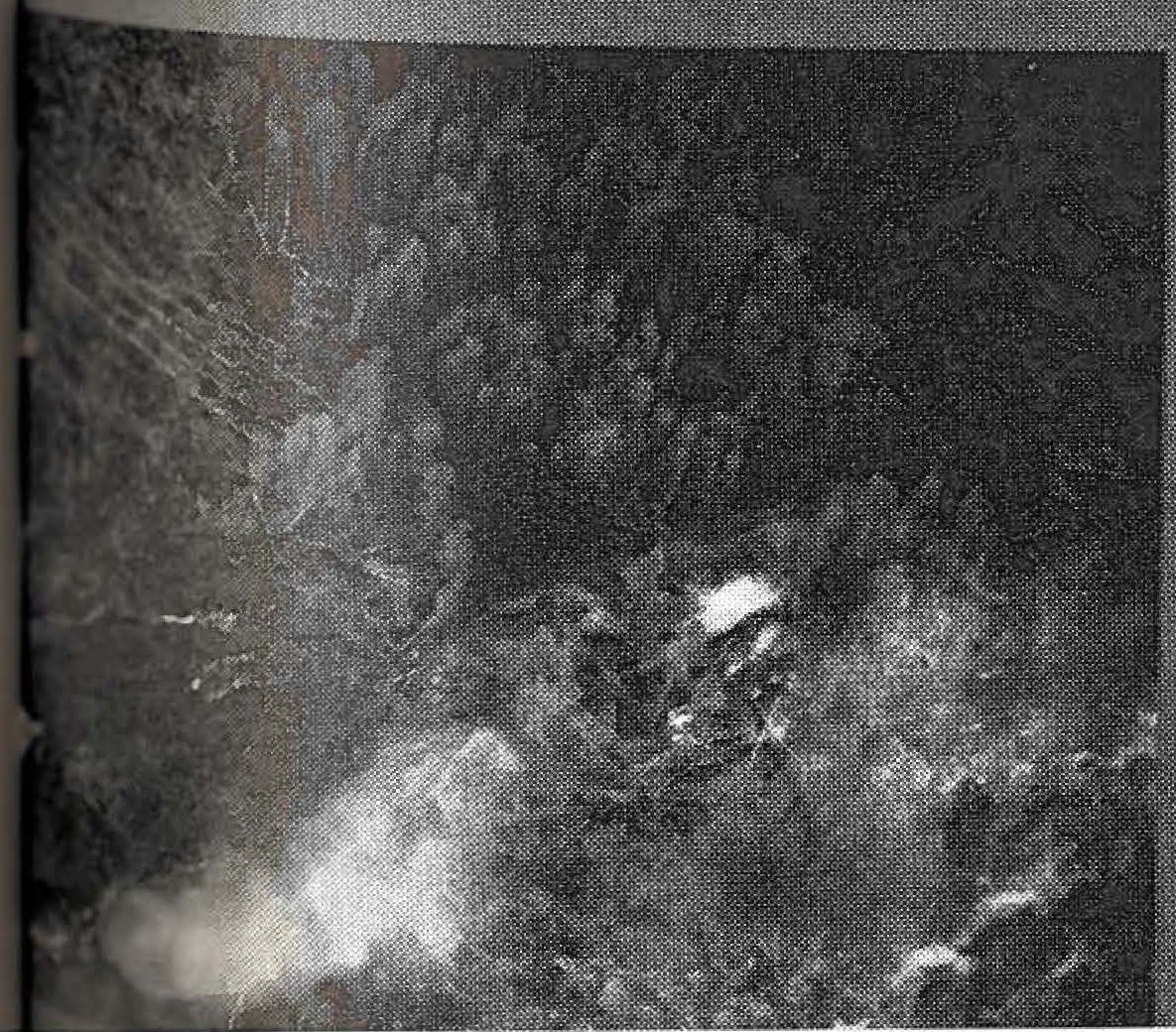
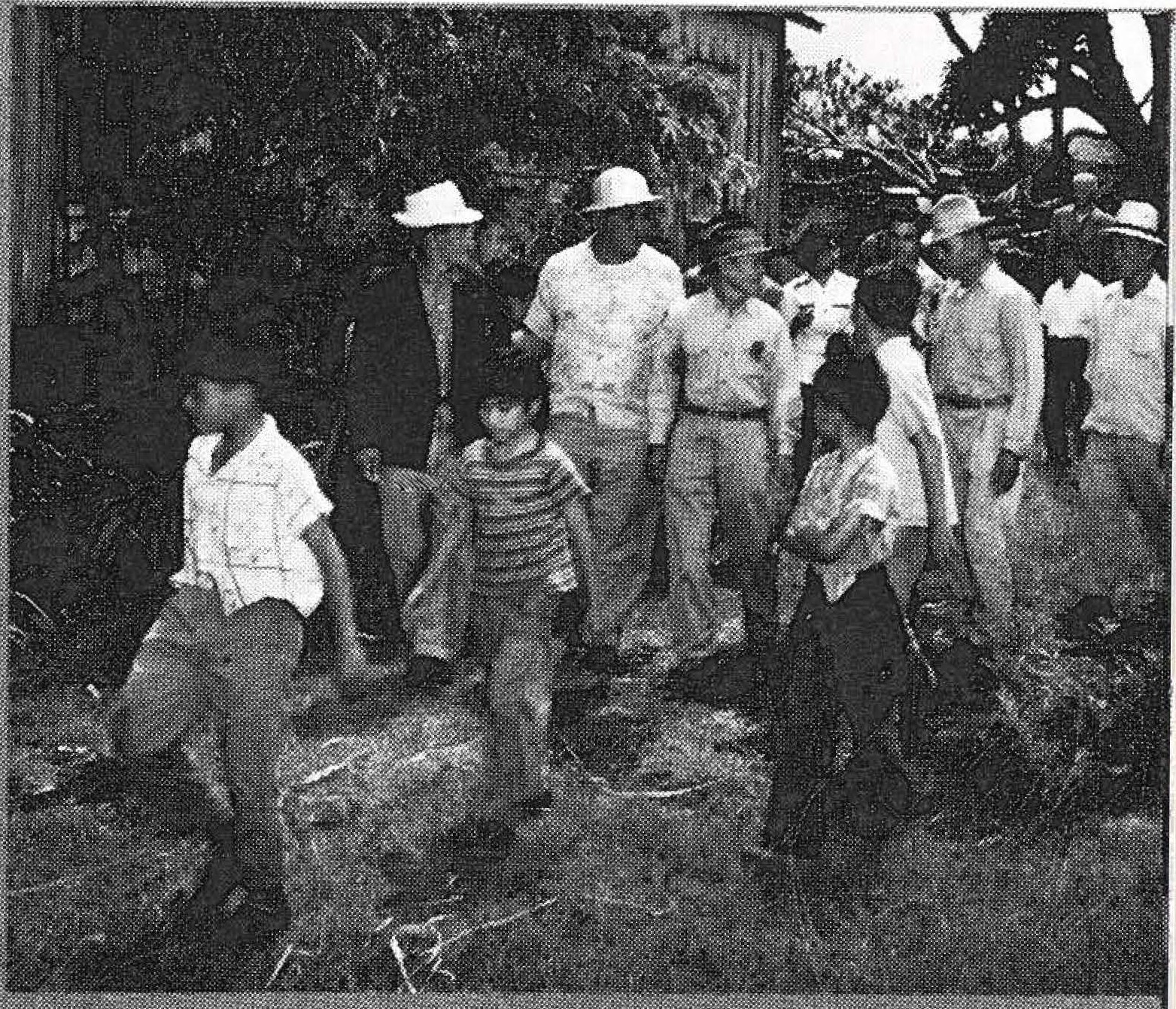
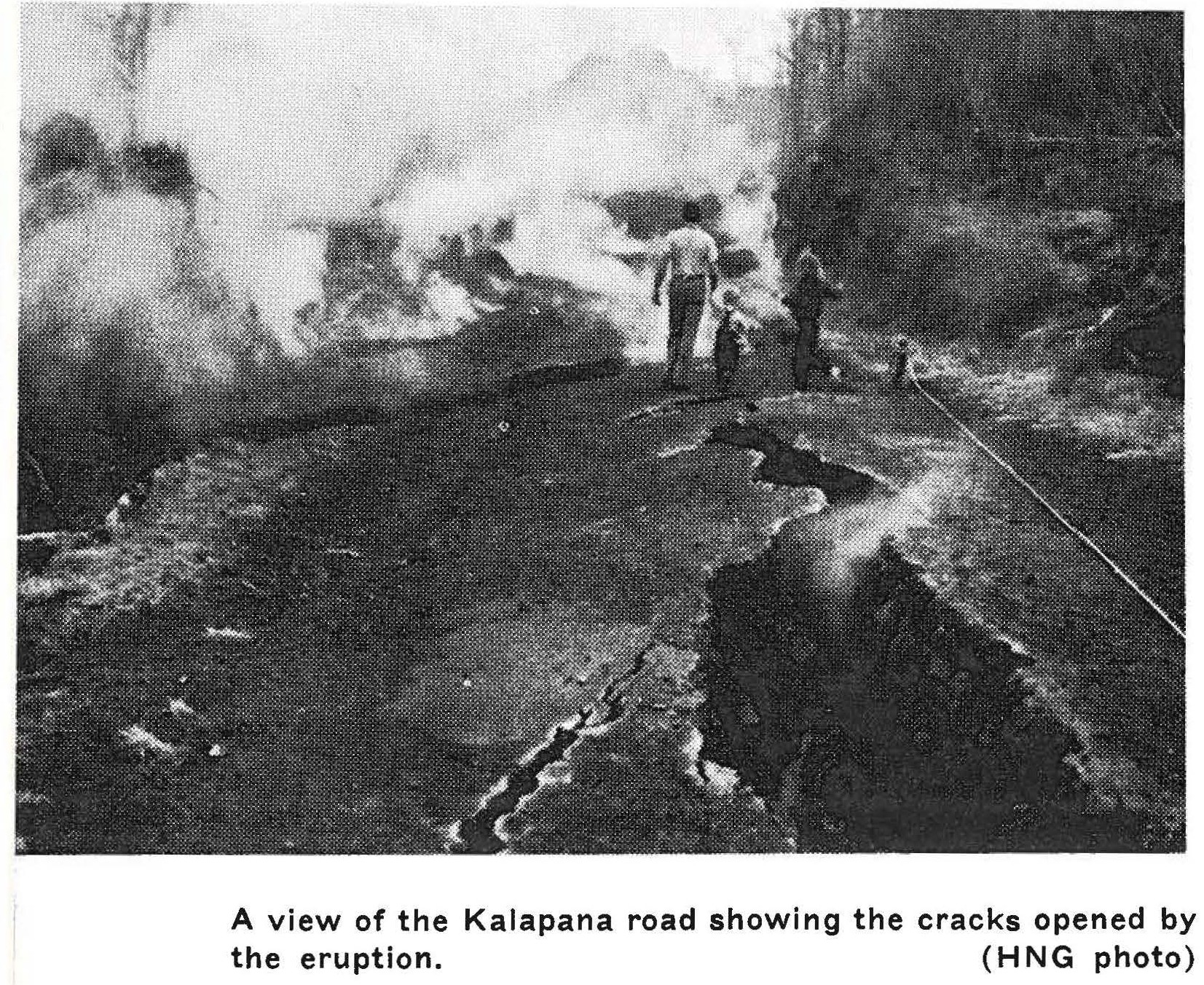
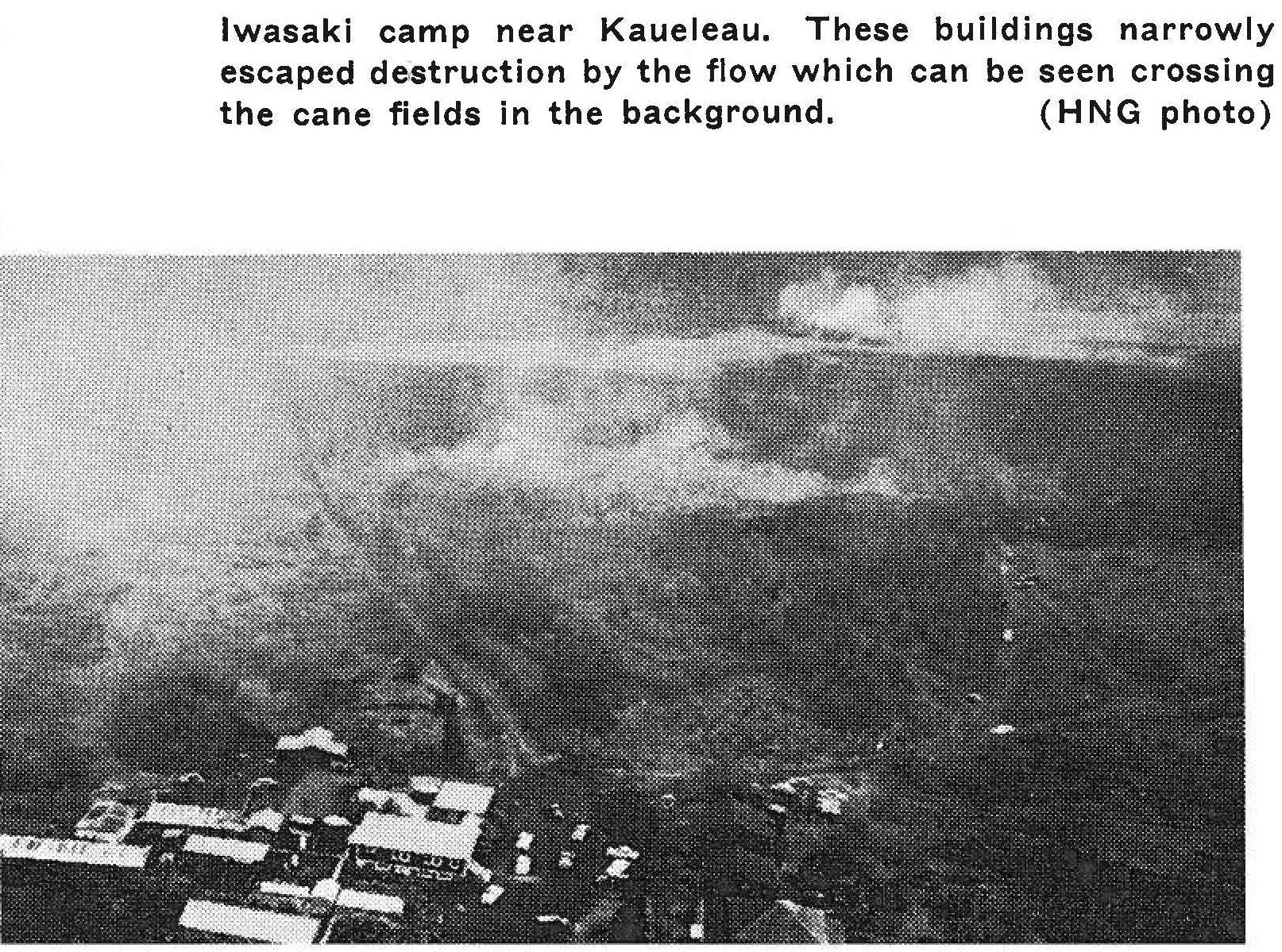
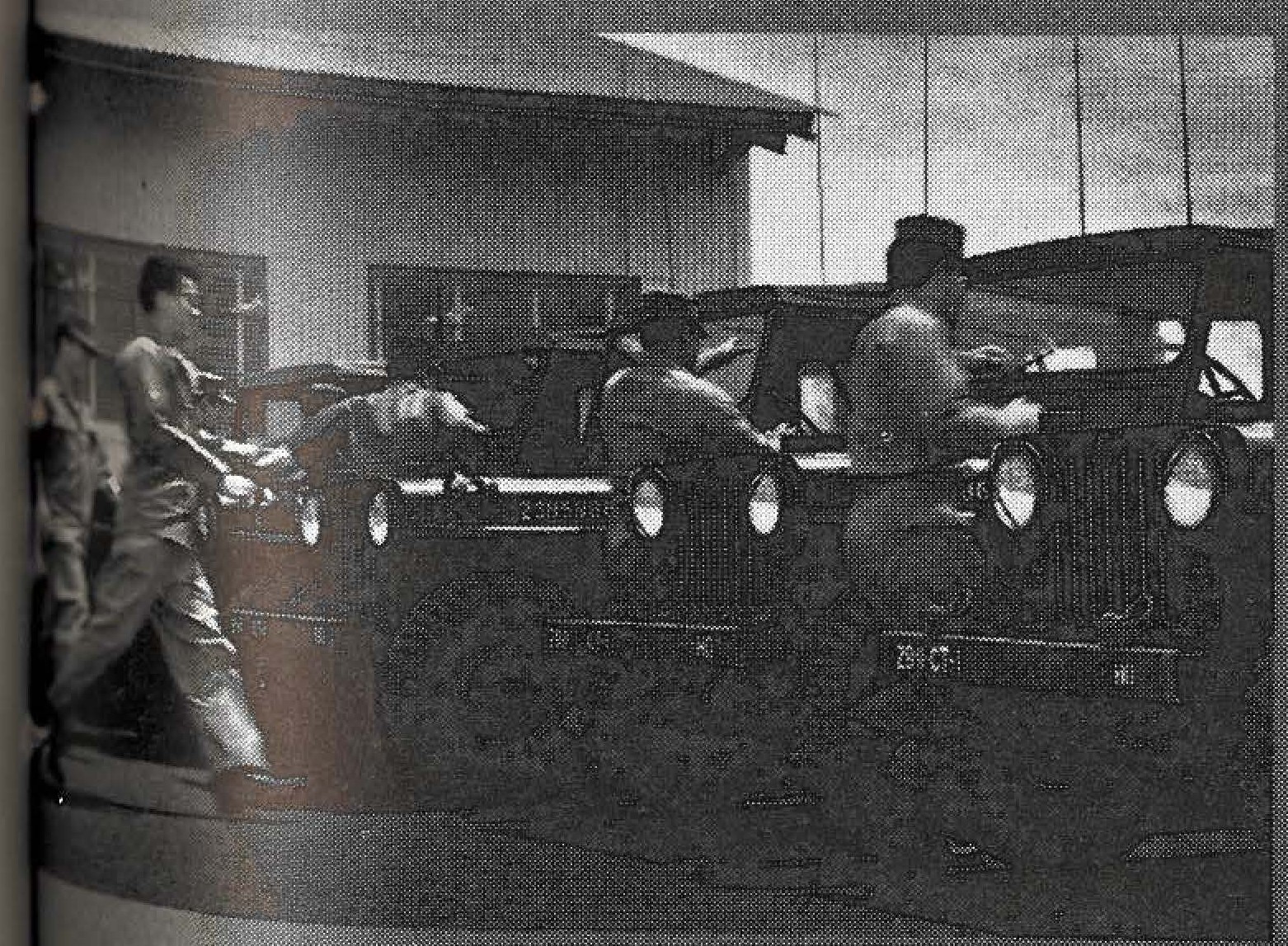
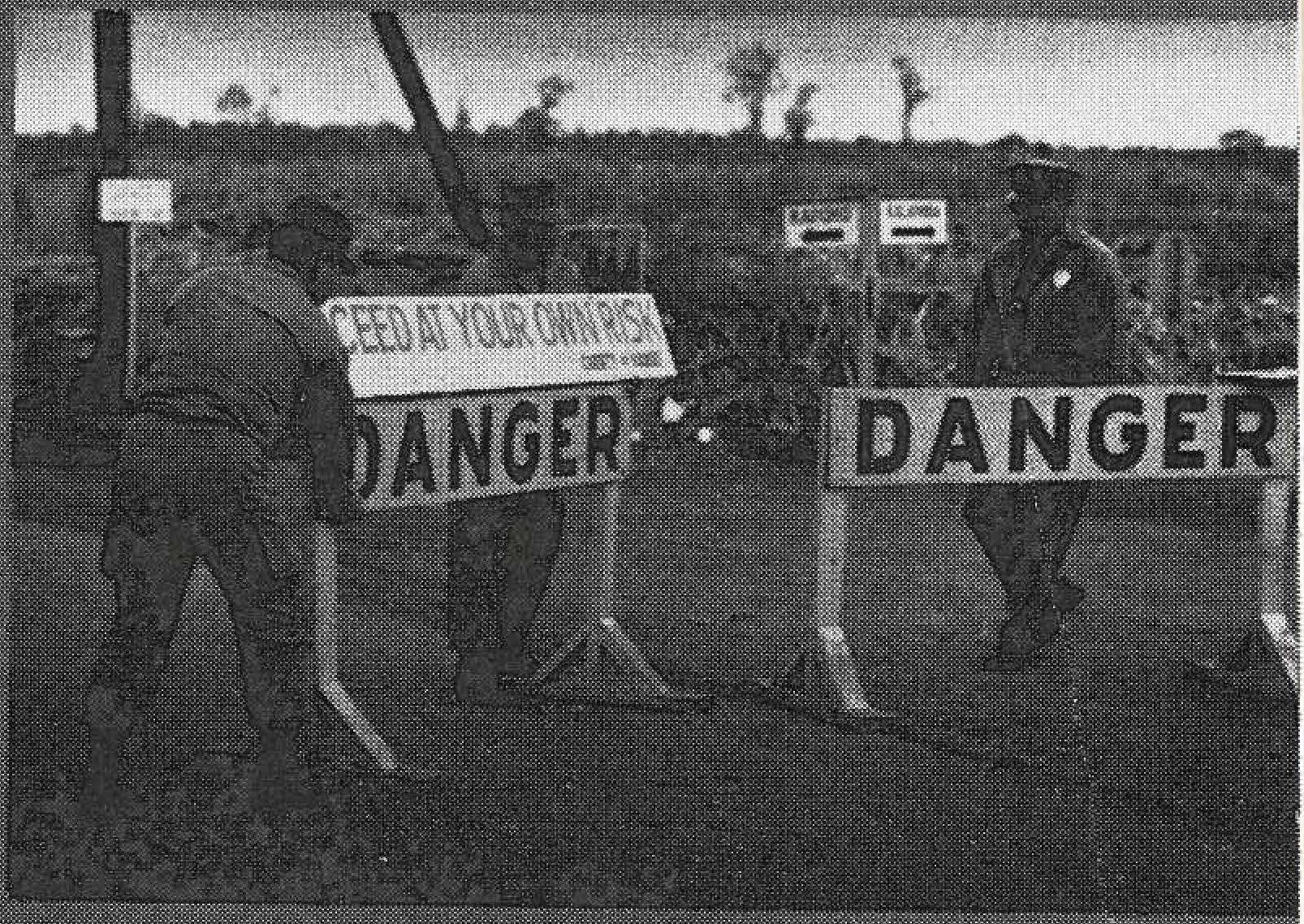
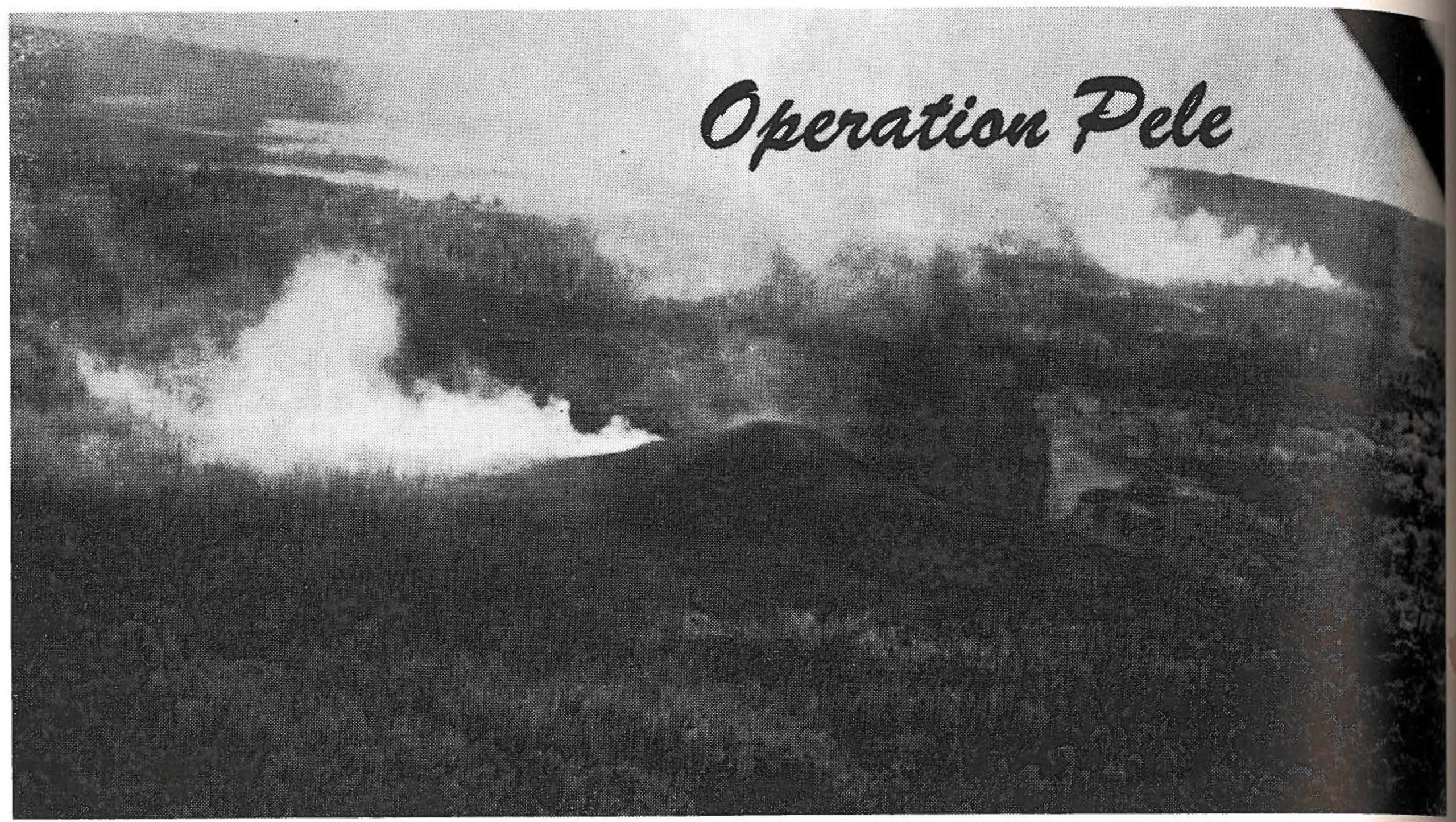
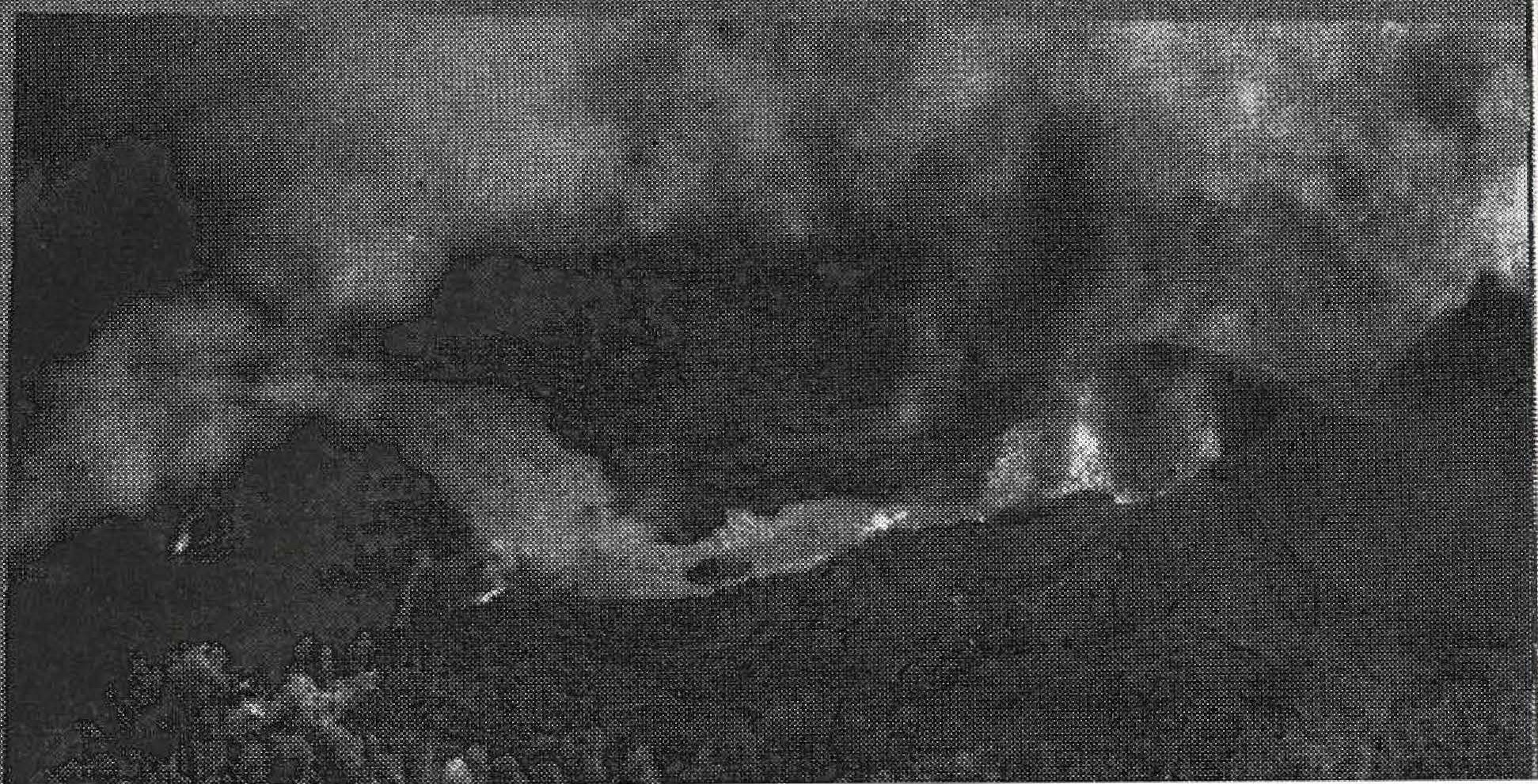
EVACUATION! Guardsmen assist Civil Defense and Red Cross workers evacuating families from the town of Kapoho threatened by nearby lava flows. U.S. ARMY PHOTOS EVACUATION! Guardsmen assist Civil Defense and Red Cross workers evacuating families from the town of Kapoho threatened by nearby lava flows. U.S. ARMY PHOTOS Communications jeep with radio contact between L-19 flying reconnaisance missions and net control station at Pahoa headquarters Civil Defense Agency. Left to right: Cpl Medillo Velasco, Lt Raymond Suefuji and Dr. Gordon McDonald. Lt Suefuji participated as a member of County of Hawaii Traffic & Planning Commission. The other person in the photo could not be identified. (HNG photo)Guard Support of Civil Defense included vehicles, radios, observation aircraft and personnel to operate the equipment on a 24-hour basis.‘Fire in the Hole’! These photos staken from an L-19 show Lilewa No. 2 in full eruptionEVACUATION! Guardsmen assist Civil Defense and Red Cross workers evacuating families from the town of Kapoho threatened by nearby lava flows. U.S. ARMY PHOTOS Guard Support of Civil Defense included vehicles, radios, observation aircraft and personnel to operate the equipment on a 24-hour basis.Operation PeleGuard Support of Civil Defense included vehicles, radios, observation aircraft and personnel to operate the equipment on a 24-hour basis.‘Fire in the Hole’! These photos staken from an L-19 show Lilewa No. 2 in full eruptionEVACUATION! Guardsmen assist Civil Defense and Red Cross workers evacuating families from the town of Kapoho threatened by nearby lava flows. U.S. ARMY PHOTOS Guard Support of Civil Defense included vehicles, radios, observation aircraft and personnel to operate the equipment on a 24-hour basis.EVACUATION! Guardsmen assist Civil Defense and Red Cross workers evacuating families from the town of Kapoho threatened by nearby lava flows. U.S. ARMY PHOTOS ‘Fire in the Hole’! These photos staken from an L-19 show Lilewa No. 2 in full eruption‘Fire in the Hole’! These photos staken from an L-19 show Lilewa No. 2 in full eruption‘Fire in the Hole’! These photos staken from an L-19 show Lilewa No. 2 in full eruptionEVACUATION! Guardsmen assist Civil Defense and Red Cross workers evacuating families from the town of Kapoho threatened by nearby lava flows. U.S. ARMY PHOTOS A view of the Kalapana road showing the cracks opened by the eruption. (HNG photo) Iwasaki camp near Kaueleau. These buildings narrowly escaped destruction by the flow which can be seen crossing the cane fields in the background. (HNG photo)Guard Support of Civil Defense included vehicles, radios, observation aircraft and personnel to operate the equipment on a 24-hour basis.Guard Support of Civil Defense included vehicles, radios, observation aircraft and personnel to operate the equipment on a 24-hour basis.Operation Pele‘Fire in the Hole’! These photos staken from an L-19 show Lilewa No. 2 in full eruption(Pictures from the 1955 May Hawaii Guardsmen)
The participation of the 299th RCT in “Operation Pele” commenced when a telephone call was received from the Hawaii County Civil Defense Agency that the cinder cone known as Puu Honuaula had erupted and that volcanic activity, including a small lava flow, was reported. This happened on the morning of 28 February 1955. Within a few hours this eruption, the first of its kind in the Puna district in more than 100 years, had developed into a major one, with the flow crossing and cutting off the secondary road from Pohoiki to Pahoa.
This initial eruption caused some concern for the welfare of residents of the area; however, it was short-lived. The activity ceased in the early afternoon of 1 March 1955. Immediately following the cessation of the actual eruption, earthquakes commenced, with the frequency of tremors increasing as the day progressed. Cracks began to appear in the roads in various sections of the general eruption area, indicating that future activity could be expected.
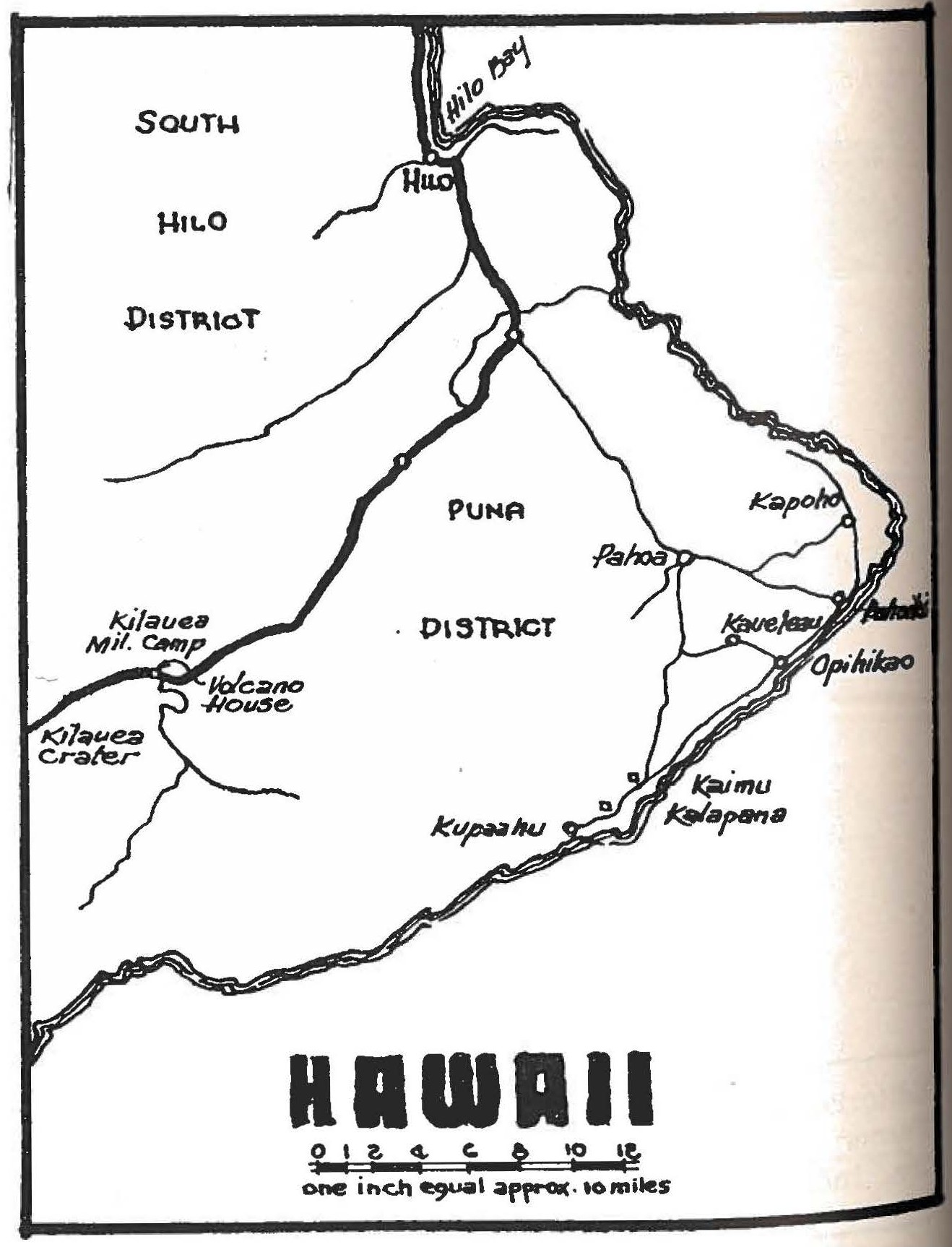
In the early afternoon of 2 March, the Puu Kii cone erupted. With this eruption, the populace of Kapoho, which consisted of approximately 300 individuals, had to be evacuated to the Pahoa gym situated adjacent to Pahoa High School. Requests were received from the Civil Defense Agency for trucks with which to transport individuals and their belongings from Kapoho.
Previous to the Puu Kii eruption, four vehicles had been dispatched to assist Civil Defense in the evacuation of individuals from the Malama Homestead area. Communication vehicles consisting of jeeps and ¾-ton trucks were also dispatched to assist in the directing of traffic on 3 March and were in operation with Civil Defense until 12 April 1955.
The Puu Kii fountain activity ceased on 13 March, and earthquakes again rocked the area. On the 15th of March, the frequency of the quakes had increased, with Pahoa and surrounding areas receiving as many as three quakes per minute. The intensity of the quakes, for the most part, was very minor, although occasional severe jolts were felt. These quakes continued until noon, 19 March, on which date cracks were observed on the Kalapana road in the vicinity of Katsuto Hayashi’s home. Six cracks were noted at 6:00 AM, with no apparent increase until 2:00 PM the same day.
At 4:00 PM, a party of four, which included Dr. Gordon McDonald, volcanologist with the United States Coast and Geodetic Survey, Lt. Colonel Michael R. Roman, and two members of the local radio and press, visited the scene of the damage caused by cracks in the Kalapana road. While the group was on this reconnaissance, additional cracks appeared, along with a visible rise in the surface of the road. As the additional cracks appeared, there seemed to be a definite “puff” under the road area which, unknown to the group, was to be the scene of further eruption activity.
Returning from the reconnaissance, the group visited the seismograph located at the Pahoa School. No quakes of any significance had been recorded during the period 3:30 PM to 4:45 PM. While the group was returning from the seismographic area, smoke was observed coming from makai of the Kalapana road along the rift line, at which Dr. McDonald exclaimed, “There we go again.” This smoke developed into a very strong eruption which produced active fountains in the Puu Kaliu area.
While the party was trying to pinpoint the rift, which incidentally opened at approximately 5:10 PM, it became obvious that it would be necessary to evacuate the village of Kaueleau. A request was transmitted to the net control radio stationed at Pahoa School through a relay jeep stationed at the junction of the Kalapana-Opihikao road to dispatch seven HNG 2½-ton trucks which were standing by at Pahoa to be used in such an emergency.
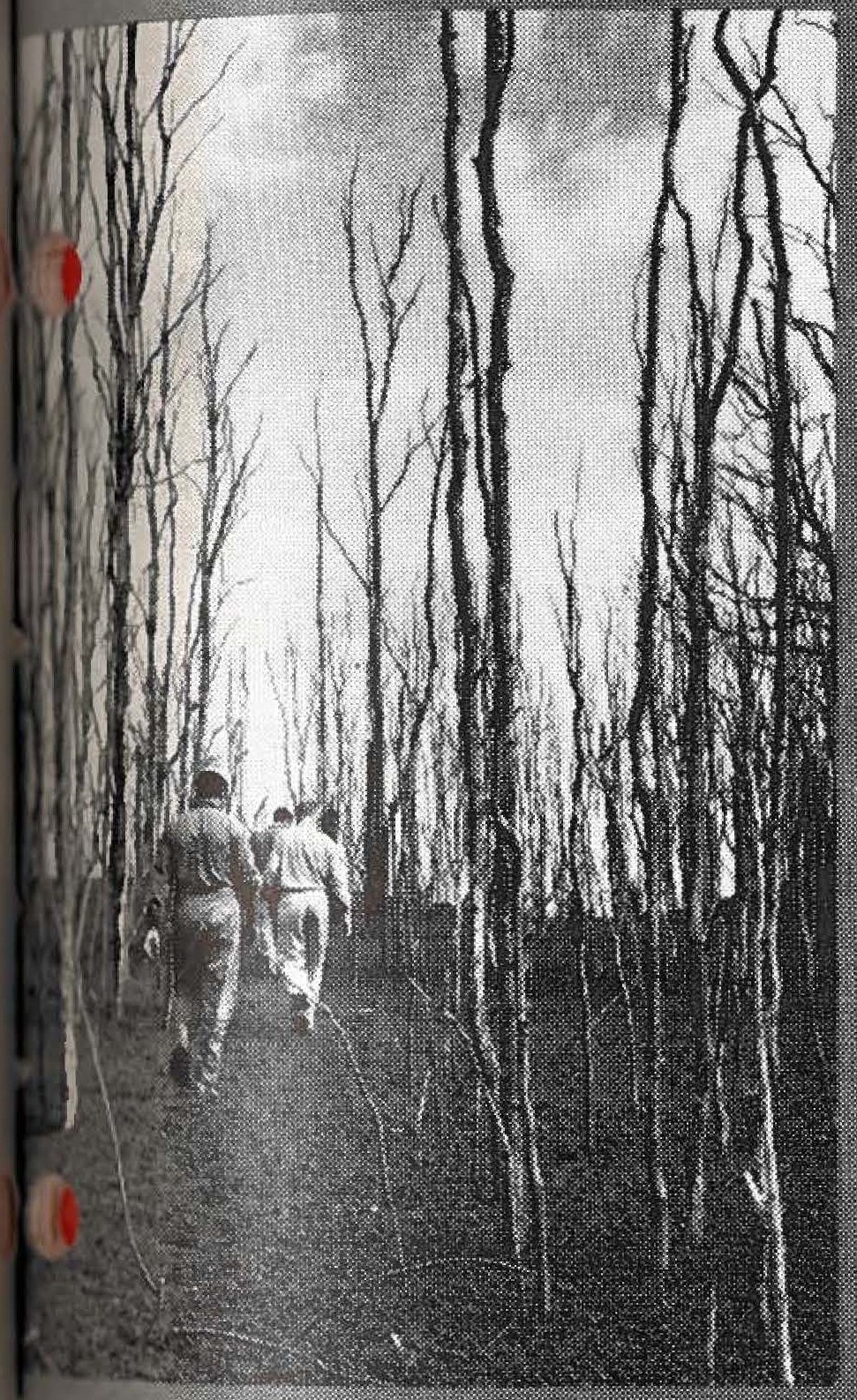
These vehicles were directed during darkness into the Kaueleau village from Pahoa School. The inhabitants of that community assisted in loading the vehicles with whatever belongings could be salvaged. While this operation was going on, it was feared that the convoy, as well as the group with Dr. McDonald—which by this time included communication vehicles, Civil Defense, and County officials—would be cut off, as the rift was increasing rapidly in the direction of Kilauea and, if it continued, the Kalapana road would be severed. The only escape route available to this group, should this have happened, would be the Lyman detour, which was cut through virgin forest circumventing the Puu Honuaula flow of 1 March.
Reports were received via radio that steam cracks were appearing, to the safety of the group inasmuch as Dr. McDonald felt that this was a definite indication that activity might be returning to the original cone, thereby cutting off all escape routes for the group. The CO in charge of the convoy was advised to hurry with the evacuation, and within an hour vehicles were loaded and on their way back to Pahoa by way of the Kalapana road. Fortunately, the road remained open and the convoy proceeded safely to the evacuation center.
The control of this convoy, as well as the transmission of information being relayed by Dr. McDonald to Civil Defense headquarters at Pahoa and from Civil Defense headquarters to Dr. McDonald, could not have been accomplished without the HNG radio net. In the meantime, aerial coverage was being rendered by HNG and 25th Division light aircraft. Trained air observers rendered valuable assistance with their around-the-clock observation of the eruption.
At approximately 8:00 AM on 20 March 1955, the rift opened further and fountains continued to develop in the direction of Kilauea; however, the eruption confined itself for the greater part of the day to Masayuki Nii’s cucumber patch. The fountains were approximately 100 yards from the Kalapana road and spurted lava as high as 100 to 150 feet.
While this eruption was in progress, twelve 2½-ton trucks were dispatched to evacuate the village of Kamaili. This evacuation was completed without incident over the Kalapana road which, at this time, was not seriously affected. The prediction made by Dr. McDonald that the Kalapana road would be severed became a reality by 4:20 that afternoon. The road was ripped open by a fissure approximately three feet wide which developed into a series of fountains, one of which later destroyed Hayashi’s home and rendered the Kalapana road impassable.
Cones left by the eruption are of considerable height. Several small and short-lived flows began winding their way down the slopes but did not cause extensive damage, as the activity in this area ceased after 24 hours. The fountains did not reactivate in this general area, and activity moved further up the rift to Puu Iilewa, which has since been called “Number 1.” This cone produced the largest fountain of the eruption, which at one time rose to greater than 1,000 feet above its base and continued for approximately one week. Flows again developed and endangered Iwasaki camp at Kamaili. As the activity continued, very careful surveillance was maintained by ground and aerial observers.
After a week, Iilewa “No. 1” ceased fountain activity and, for all volcanic purposes, was dead. However, it was only a short time until Iilewa “No. 2” decided to erupt and continued its activity until 7 April 1955. Four flows entered the ocean from the volcanic activity in the Puna district. Millions of dollars of damage was incurred, and had it not been for constant observance by HNG personnel, as well as the availability of HNG trucks and radios, the damages could have been much greater. Our participation undoubtedly saved human lives and property through prompt warning and action.
Participation by personnel of the 299th RCT totalled over 500 man-days for all men ordered to active duty in the service of the Territory of Hawaii, including pilots who flew more than 250 reconnaissance flights over the eruption area. This latter figure does not include flights made by 25th Division pilots who were on duty with Civil Defense headquarters for a period of 10 days.
Flights were made by Captain Frederick K. Chaney from Hq & Hq Det, HNG; Captain Joseph J. Kern, Hq 299th Inf; Captain Elroy Bohlin, Hq 487th FA Bn; and Lt. Francis A. G. Ashdown, Hq 299th Inf. Surveillance flights by our light aviation pilots provided an excellent training opportunity for them and acquainted them with requirements of future operations of this nature from the standpoint of aircraft operation under emergency conditions.
During the peak of the operation, the weekend of 19 and 20 March, the 299th RCT had a total of 30 vehicles and four aircraft operating in conjunction with the eruption.
Members of this command appreciate the opportunity of being called upon to participate in such an activity where their services contributed materially to the saving of lives and personal property of the people who unfortunately were affected by the eruption.
Capt. F. K. Chaney, Army Aviation Officer of Hq Det, Hawaii NG, describes the support given to Civil Defense by our Army aviation sections.
Our mission was to furnish Civil Defense Headquarters with on-the-spot reports via air-to-ground radio communications concerning the volcanic activity, reporting particularly any noticeable change of activity, compass headings of lava flows, rate of movement of flows, probable course or path to the sea, and homes or other property in danger of being destroyed. All of this information was recorded at Civil Defense Headquarters on a large blackboard that covered two walls of the office. The center of activity during the period in which our reports were being received was a large terrain map spread out and tacked to a table where a plotter was hard at work transcribing our descriptions to the map.
Those National Guard personnel who took part as radio operators, plotters, and recorders, and our aircraft mechanics, did a commendable job, working 12 to 18 hours per day. I recall that on one early morning at 0545, I made a low drag over the Civil Defense radio station at Pahoa to alert the operators. It was customary to make such a low pass to alert the radio crew that the aircraft was returning to the eruption area and that a report would follow. Normally, shortly after passing overhead, “Terry” would acknowledge (“Terry” was the call sign for the CD Hqs station). I didn’t get the usual prompt acknowledgement, so I tried calling, and then made another pass over the area without success. Being slightly perturbed, I really gave the area a blast with a low drag at full throttle. Needless to say, I got Terry to acknowledge, but only with a voice that sounded like it came from a grave. “Sergeant, this is Terry.” I acknowledged briskly and he came in again: “This is Terry, I thought I dreamt that I heard you passing over the first time.” I learned later that this crew had had a very long night in the field and had just gotten to sleep about a half hour before I made my first pass.
The volcanic eruption in 1955 in the Puna district on the Island of Hawaii required troops and vehicles, aircraft and communication equipment to carry out evacuation of civilians, assist the police in manning road blocks, and observe the courses of lava flow.
An eruption in the Puna area, the first in more than a 100 years, caused Big Island Civil Defense Officials to request National Guard assistance. Guardsmen manned radio jeeps and assisted with the evacuation of hundreds of residents. The Army Aviation section flew 250 reconnaissance missions during the period. The HNG logged over 500 man days, from 28 February to 12 April.