
2-Weeks Ready in Hawaiʻi
As the only island state in America, Hawaiʻi is in a uniquely isolated location that relies on shipping for most of its food and supplies. Thus, people in Hawaiʻi need to stock up with two weeks of emergency supplies in case a disaster like a hurricane or tsunami damages ports and supply chains.
While two weeks of supplies may seem like a lot, there are ways to make stocking up easy:
– Focus on low-cost foods with lots of protein and calories.
– Take advantage of sales to stock up on shelf-stable foods.
– Make a habit of checking the canned goods section when you do your regular shopping, and add a little to your pantry each week.
The main elements of your emergency supplies should include: Water, food, medicine, power and information.
Water
HIEMA recommends having one gallon per person per day of water, that will be used for drinking, cooking and personal hygiene. So, for two weeks, you will need 14 gallons of water per person in your home.
After a disaster, tap water may not be safe to drink; and during a power outage, running water may not be available. In these cases, you have a few options for your water supply: bottled water, boiled water or treated water.
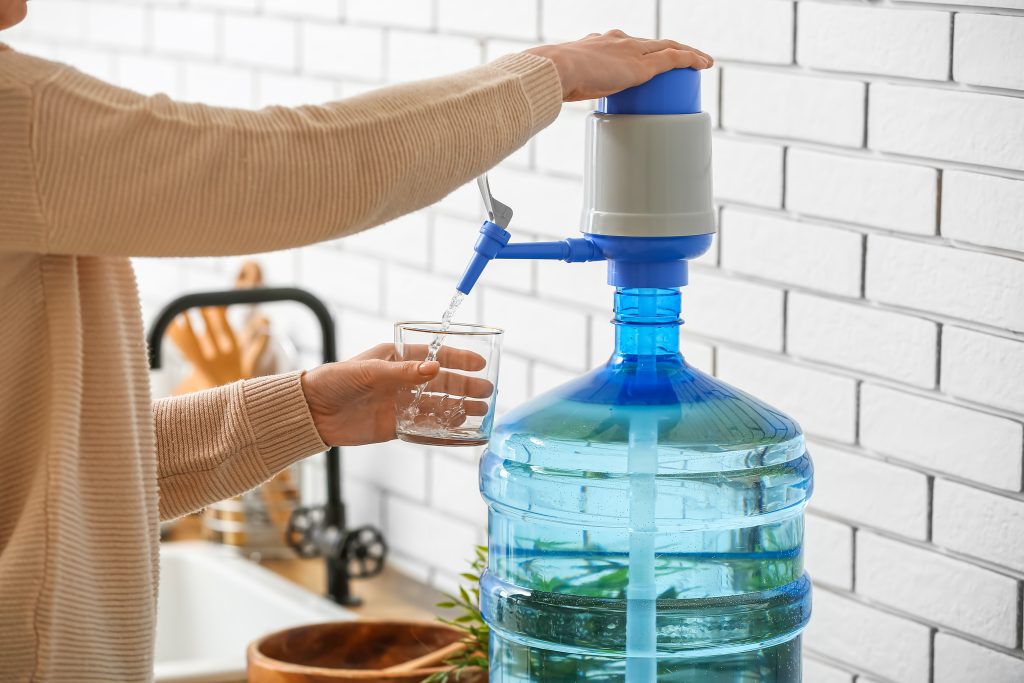
You can buy commercially bottled and sealed water, or fill up reusable containers like the ones found at camping and hardware stores. Store it in a cool, dry place, like a cabinet, closet or garage.
After a disaster, tap water may not be safe to drink; and during a power outage, running water may not be available. In these cases, you have a few options for your water supply: bottled water, boiled water or treated water.
You can buy commercially bottled and sealed water, or fill up reusable containers like the ones found at camping and hardware stores. Store it in a cool, dry place, like a cabinet, closet or garage.
There are some handy items that are great to keep in your home to help with your water needs:
– A bottle of unscented household bleach (5%-9% sodium hypochlorite) for disinfecting water and containers
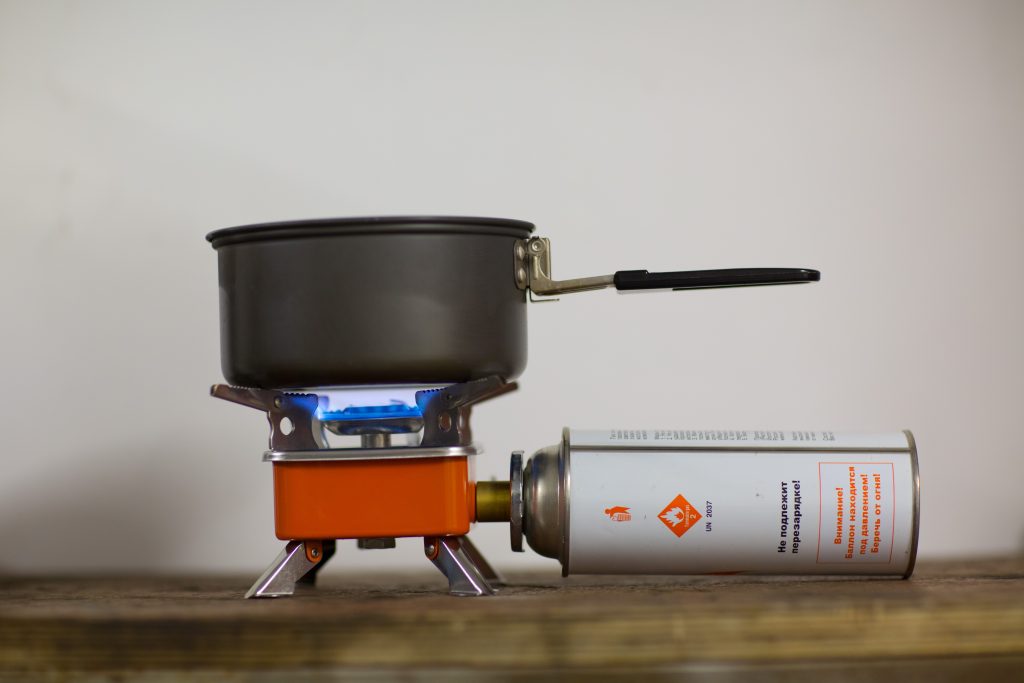
– A camp stove with fuel, for boiling water to make it safe to drink
– A water filter to remove most parasites in water
– Tablets or drops like iodine, chlorine or chlorine dioxide to kill germs in water (*Don’t use iodine if you’re pregnant or have thyroid problems)
– Cloth or mesh to filter boiled water
Always check the instructions on these products to make sure you’re using them correctly.
If you are storing water in reusable containers, change the water every six months. Wash the containers with soap and water, disinfect them with bleach, rinse them and dry them. Refill the containers and add a ¼ teaspoon of bleach per gallon. Label them “drinking water” and date them.
For more information on emergency water solutions, visit the Centers for Disease Control’s emergency water webpage and the Honolulu Board of Water Supply emergency preparedness webpage.
Food
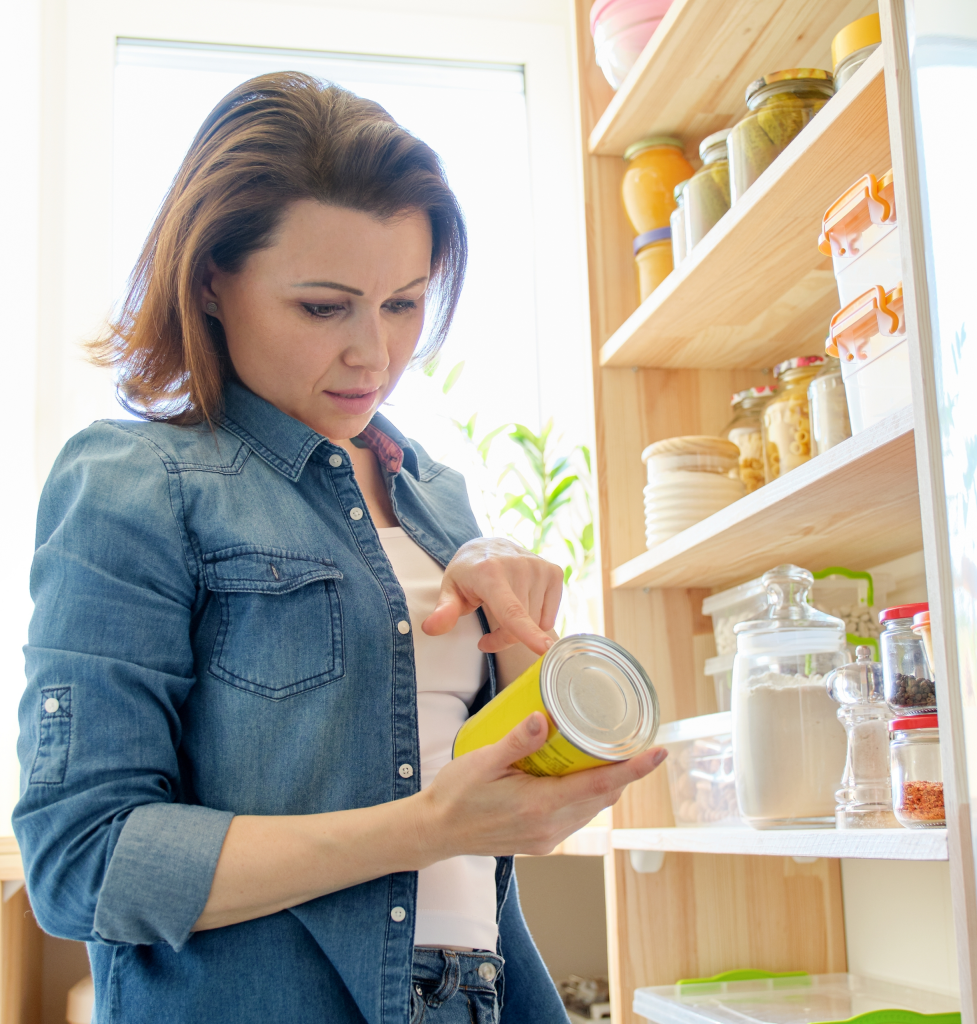
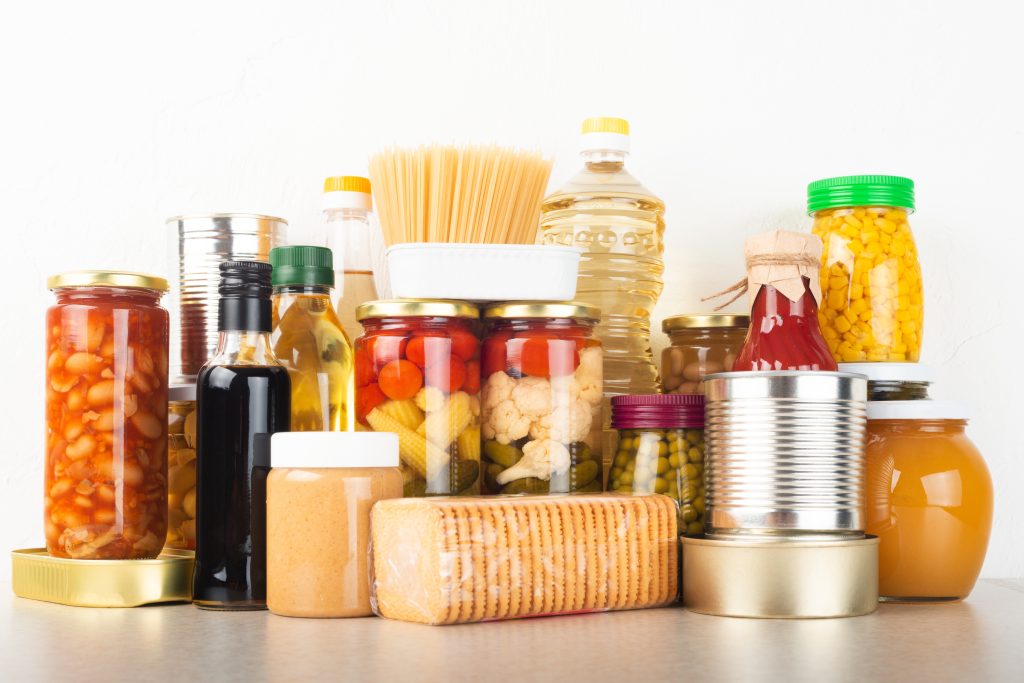
The focus of your emergency pantry should be shelf-stable food that doesn’t need to be cooked. Food that is nutritious, high in protein and high in calories is especially useful. Having seasoning and sauce packets can make these foods even more delicious.
Here are some suggestions for things HIEMA staff like to keep in their pantries. A few things need hot water, so having a camp stove is very useful. Also – make sure you have a can opener!
– Tinned sardines
– Canned tuna fish
– Canned salmon
– Instant rice
– Peanut butter
– Protein powder
– Beet powder
– Canned chickpeas
– Canned low-sodium black beans
– Canned vegetables
– Vienna sausage
– Beef jerkey
– Snack bars
– Canned soups
– Baby food
– Chocolate
– Tea
– Extra spices, seasonings and sugar
– Instant coffee & powdered creamer
– Nuts
– Trail mix
– Canned chili
– Canned chicken
– Oatmeal
– Vitamins for nutrition
– Camping meals/Meals Ready to Eat (MREs)
If you have time to prepare for an incoming disaster like a hurricane or forecasted bad weather, there are few things you can do to extend the life of perishable foods in your refrigerator and freezer:
– Turn the temperate setting to the coldest setting hours before anticipated electricity impacts
– Stock up on ice to keep your freezer or refrigeretor cold, or to use in a cooler
– Take a photo or video of the contents of your refrigerator or freezer, so you know what you have without opening the doors to look
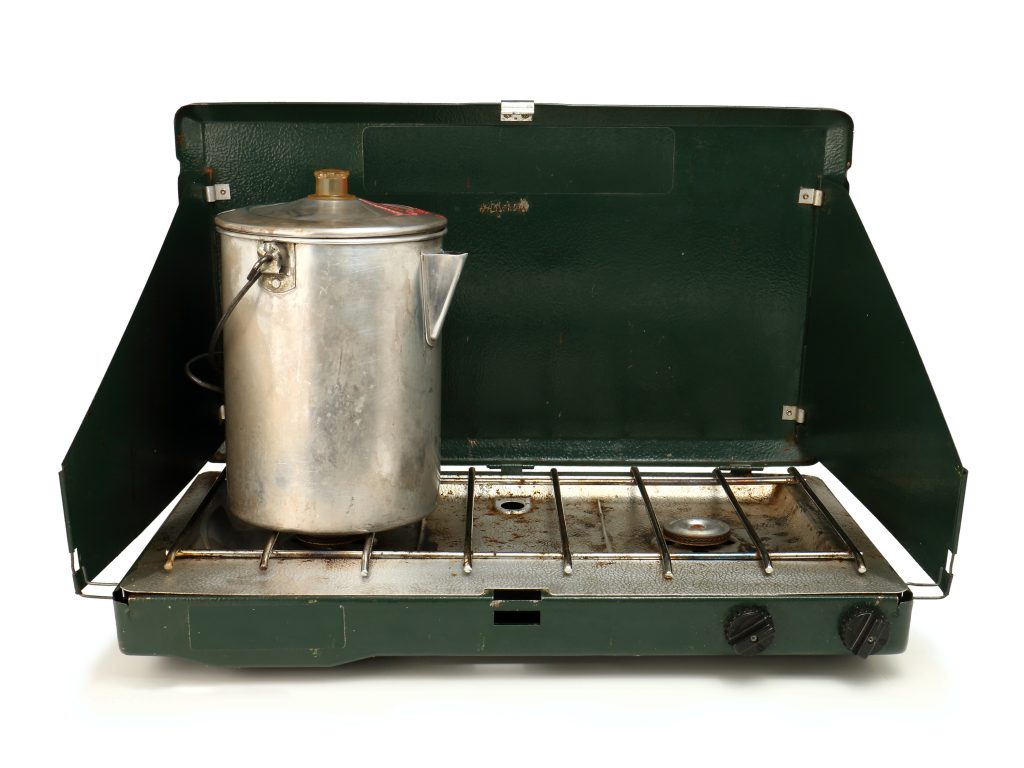
Consider the ways you can cook food without power. You can use a gas-powered camp stove, a grill or a fireplace. Make sure you have the necessary fuel, charcoal, firewood and ignition tools as part of your emergency supplies.
You should also consider stocking paper plates, bowls, utensils, paper towels and sanitizer or sanitizing wipes, in case you don’t have running water to clean dishes.
Medicine and First Aid
It’s very important to envision how you will operate without electricity, including using powered medical devices such as a CPAP machine or a blood pressure monitor. Make sure you have a backup power source like batteries or a power bank. Talk with your doctor if you have concerns about using medical equipment without power.
Stay ahead of refilling your prescription medicine, so that you don’t risk running out of medicine during. Roads may be impassable and pharmacies may not be operating during a natural disaster. If you need to refrigerate your medicine, think about how you will do that without power. You may be able to use an electric cooler or a small generator.
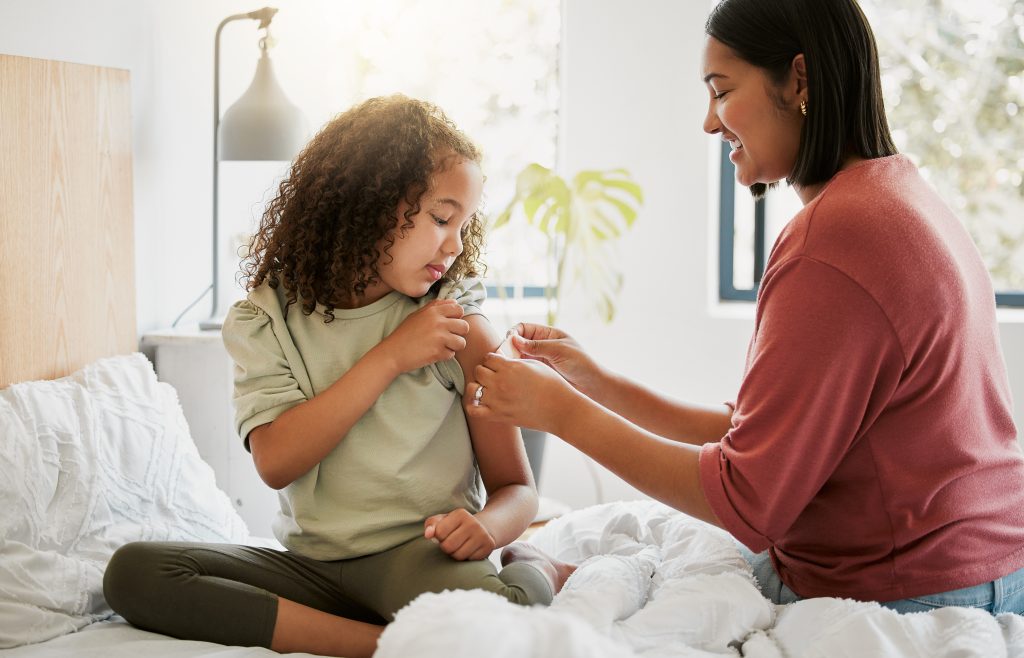
Keep a fully stocked first aid kit at home in case you need to address a non-emergency injury or illness. Your kit should have basic supplies like tape, bandages, gauze, scissors, tweezers and thermometer. Stock up on basic medications like antibiotic ointment, aloe vera, antacids, antihistamines, cold medicine, pain relievers and anti-diarrheal.
You can find a full list of recommended first-aid kit contents at the Mayo Clinic website.
Power
Having alternative power sources prepared before a disaster can do a lot to keep you safe and comfortable during a power outage. Some key types of power options include batteries, generators and solar devices.
Batteries are probably the most accessible alternative power source. There are many types of batteries on the market today.
Lead-acid batteries like deep-cycle marine or RV batteries with an inverter can be used for running appliances like refrigerators or medical devices.
Alkaline batteries, such as 9-volt or AAA batteries, are small and easy to store. They can power useful smaller tools like radios, flashlights and fans.
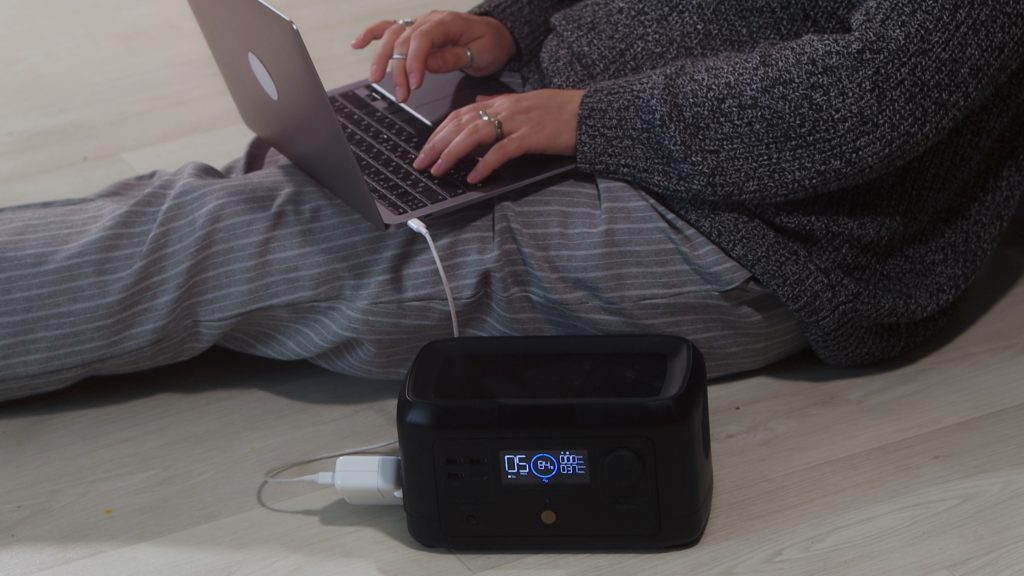
Portable power banks come in a range of sizes, from small cell-phone chargers to larger power stations. These lithium devices can be recharged in a wall socket and kept ready for power outages.
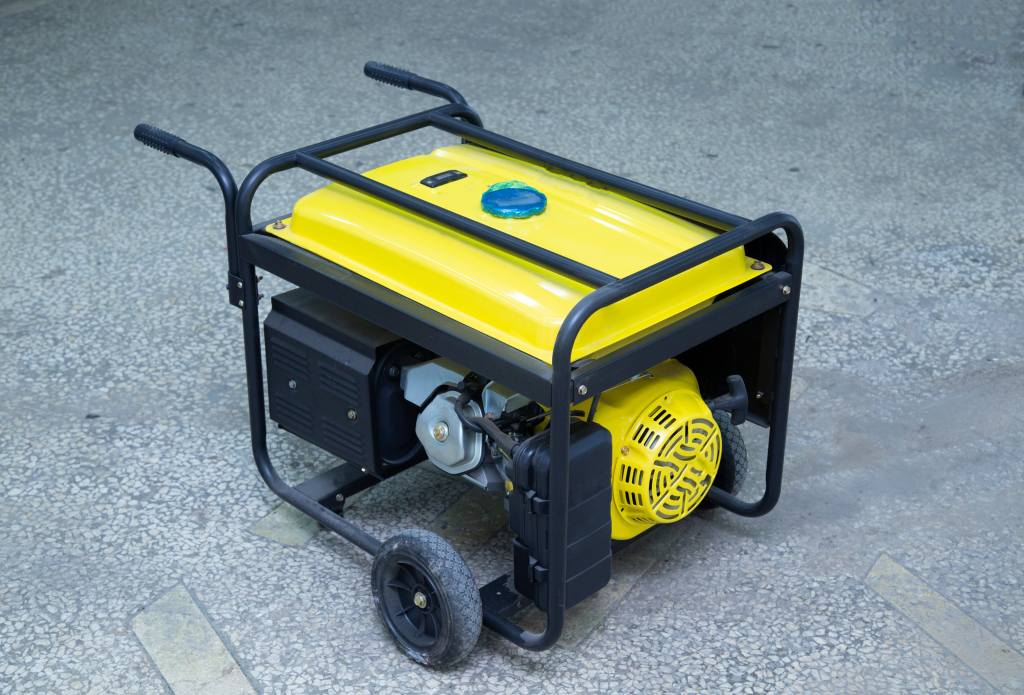
Generators run on gas fuel and are capable of producing huge amounts of power. Consumer generators can cost anywhere from a few hundred dollars to a few thousand dollars. Options include smaller inverter generators (which are steady-rate, quieter and fuel efficient) and conventional generators (which are louder and more powerful). You’ll need to have gas safely stored ahead of time. Generators need to be used outdoors to keep exhaust away from your home.
Solar-power panel systems that are tied into a power grid only work during a power outage if they have battery storage. These solar batteries usually last between 6 and 24 hours. Portable solar banks can offer short-term power solutions, but if the power is out, they need sunlight to recharge. This means they will not charge at night or when it’s cloudy.
There are many more devices on today’s market that offer alternative energy options. Hand-crank radios and flashlights have been in use for many years. Solar ovens harness sunlight to heat food. Electric coolers can store food using battery power. Searching the internet may reveal alternative-energy tools you haven’t considered. The key is to be prepared, to keep these backup devices charged, and have a plan for how you will expend energy.
Information
Getting information needs to be a top priority in your household’s emergency preparations. Having backup power sources for your cell phone will allow you to get information from government websites and social media, and local news outlets.
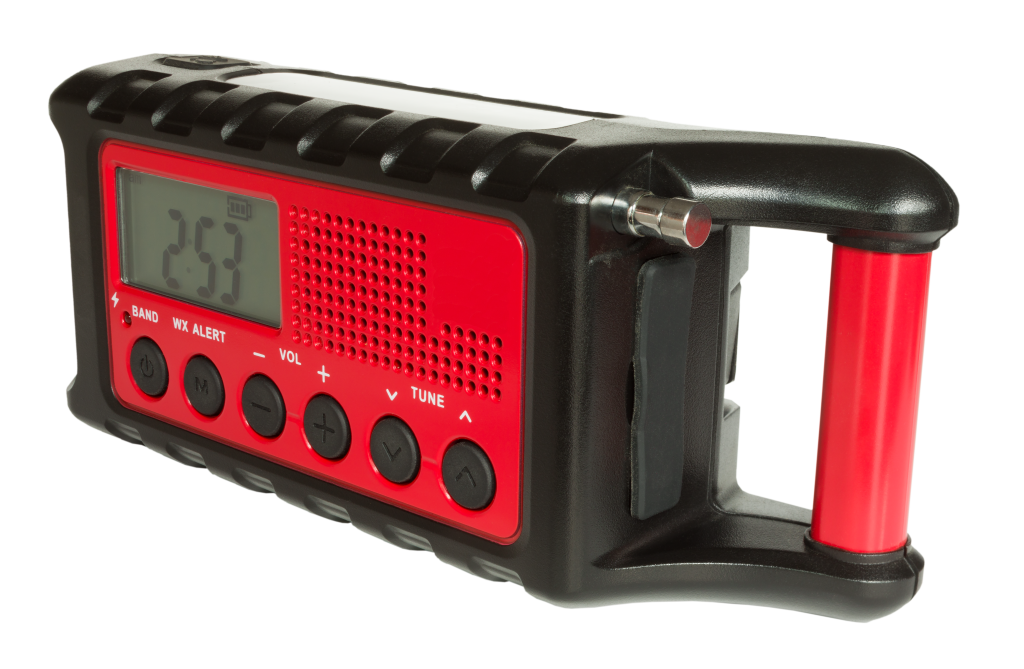
In a very serious disaster, radio may be the most resilient mode of communication for emergency officials. Make sure you have a battery-powered radio (with extra batteries!) and keep a list of emergency radio stations in your home. You can find your local emergency radio station at www.ready.hawaii.gov/alerts.
Finally, the most important and strongest connection is with your neighbors, family and local community. Make sure you share information with the people around you. Get to know your neighbors and let them know how you can help during an emergency. Form a neighborhood communication group online or at a community center.
Pet Supplies
When you prepare your own emergency supplies at home, prepare for your pets, too. Make sure they have enough pet food and water to last two weeks. Consider their special needs, like medication, hygiene and comfort.