Volcanic Hazards
Active Volcanoes in Hawaiʻi
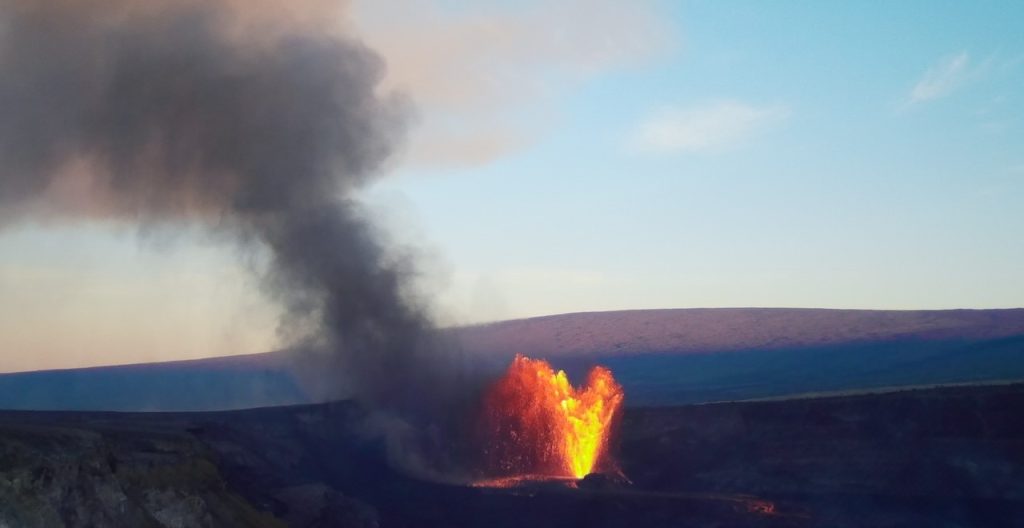
The Island of Hawaiʻi is home to active volcanoes that have had recent effects on residents in both local vicinities and statewide. Volcanic hazards include lava flows that are destructive to property and people in its path, some large eruptive debris that can be fatal or injurious to onlookers (though rare), and widespread volcanic gases and ash that can be harmful to human health.
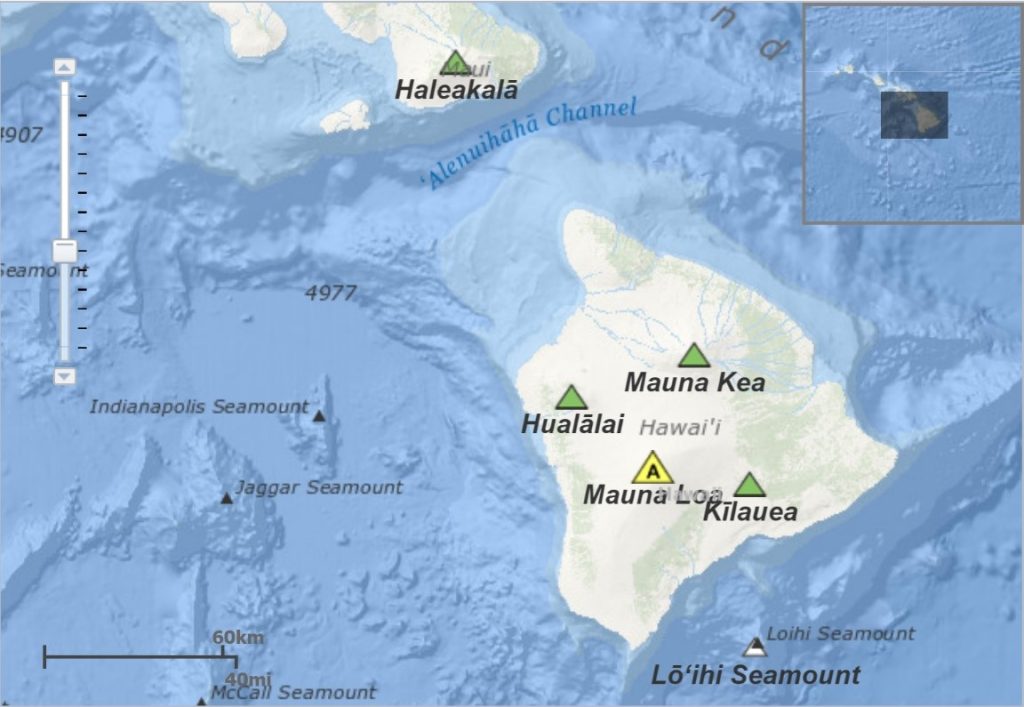
On Hawaiʻi Island, Kīlauea is currently erupting and Mauna Loa recently erupted in 2022. Hualālai most recently erupted in 1801. 22 miles off the southeast coast of Hawaiʻi Island, Kamaʻehuakanaloa (formerly named Lōʻihi) is an active submarine volcano more than 3,000 feet below sea level, which most recently erupted in 1996.
On Maui, Haleakalā is an active volcano that most recently erupted between 400 and 600 years ago.
Airborne Health Hazards of Volcanoes
The most common effects on human health from volcanoes are airborne. Vog – volcanic fog – is created when sulfur dioxide gas is emitted by a volcano and forms small particles in the air. Vog travels through the air and can affect communities located downwind – both nearby and far away, including other Hawaiian Islands. Inhaling these volcanic gases and particles can cause short-term symptoms including:
- Eye and airway irritation
- Dizziness
- Headaches
- Difficulty breathing
- Vomiting
- Tremors
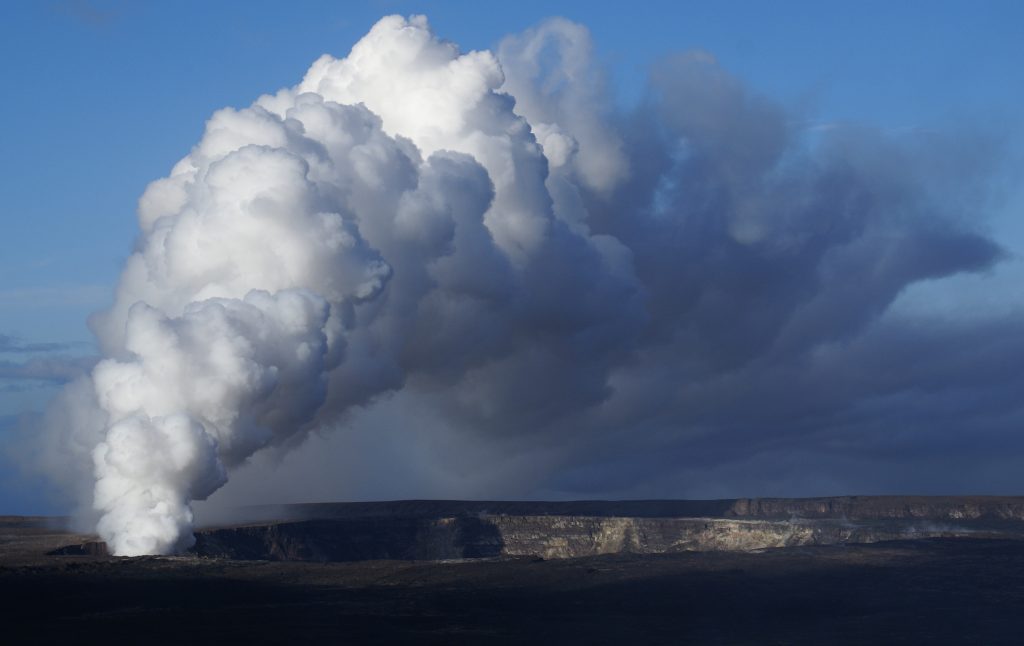
Long-term exposure to vog has been linked to the development of other conditions including bronchitis, lung infections, and respiratory disorders such as lung disease and lung cancer, according to the national Centers for Disease Control and Prevention. People most likely to experience negative health effects due to vog include people with asthma, children and infants, and people with chronic respiratory or cardiac conditions.
When volcanic activity poses health risks, public warnings will be issued by the United States Geological Survey (USGS) Hawaiian Volcano Observatory (HVO), the National Parks System and the County of Hawaiʻi.
To limit exposure to vog, go inside and close all windows and doors. Use an air purifier to the keep the air inside clean, and use clean filters for any indoor air conditioning or heating systems. Turn off outdoor air intakes on any window air conditioning units and set them to recirculation mode. Wear a respirator, N95 mask and/or goggles if you must be outside.
Explosive Eruption Hazards
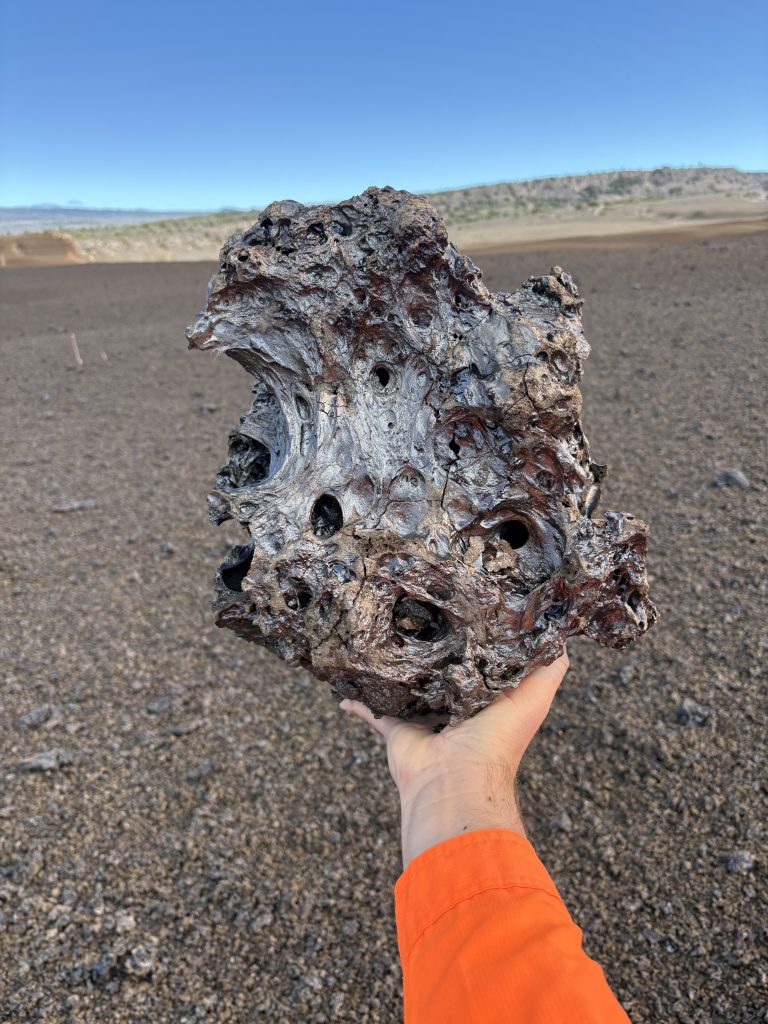
While Kīlauea is known for mostly effusive, slow-moving lava flows, some explosive eruptions emitting volcanic ash, tephra (glass-like volcanic rock fragments know as “Pele’s Hair”) lava and displaced rocks occurred eruptive explosions as recently as 2018. Volcanic ash can cause respiratory health effects similar to those discussed earlier, especially for individuals with chronic respiratory or cardiac conditions.
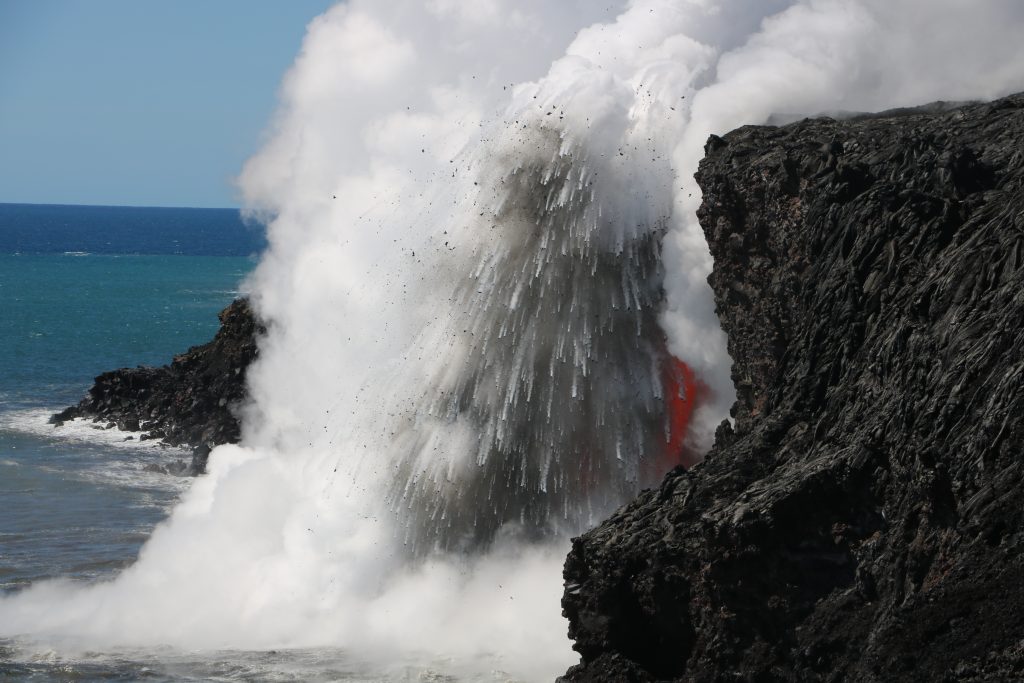
Historians estimate that a lava explosion around 1790 from Kīlauea’s caldera killed between 80 and several hundred Hawaiian warriors from Keoua’s army and their family members. In 1924, a photographer was killed by falling rocks blasted from Kīlauea’s Halemaʻumaʻu crater. In 1993, a visitor sitting on a seacoast bench was swept out to sea and killed when a lava flow caused the bench to collapse. And in 2018, 23 people in a tour boat were injured by a steam-driven explosion while they were viewing lava entering the sea near Kapoho.
Officials at Hawaiʻi Volcanoes National Park and Hawaiʻi County will close areas that are known to be at risk of explosive hazards. However, these hazards are beyond human control and cannot always be predicted. Make sure you use extreme caution around active eruptions and lava flows, and understand that unpredictable hazards exist.
Earthquake Hazards
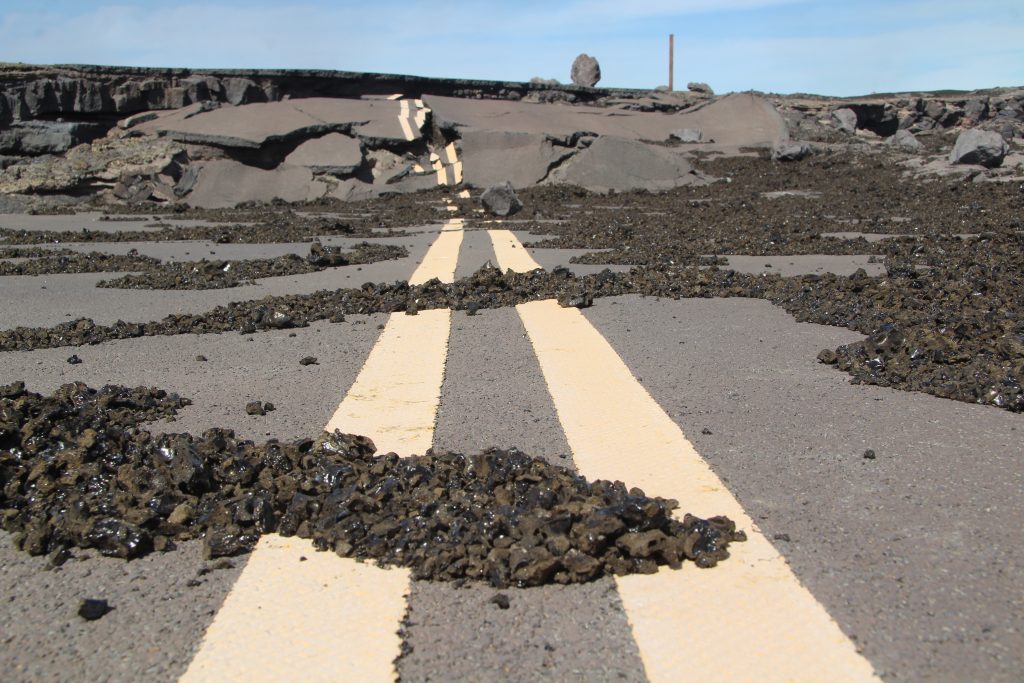
The magma hotspot below Kīlauea makes it the most active volcano in the world. During eruptions, the flow of magma can trigger widespread seismic activity, including earthquakes. Conversely, earthquakes can alter and exacerbate the flow of magma and lava.
A massive earthquake generated by Kīlauea or Mauna Loa in 1868 caused a local tsunami that killed 46 people along Kīlauea’s coastline. This earthquake also caused a landslide in Wood Valley that killed 31 people. Rock falls from the earthquake killed two people in Hilo.
In 1975, a large earthquake generated within Kīlauea triggered a local tsunami that killed two campers at Halapē, a backcountry campsite on the seacoast. The tsunami generated waves as high as 47 feet, and 28 people were injured.
Lava Flow Hazards
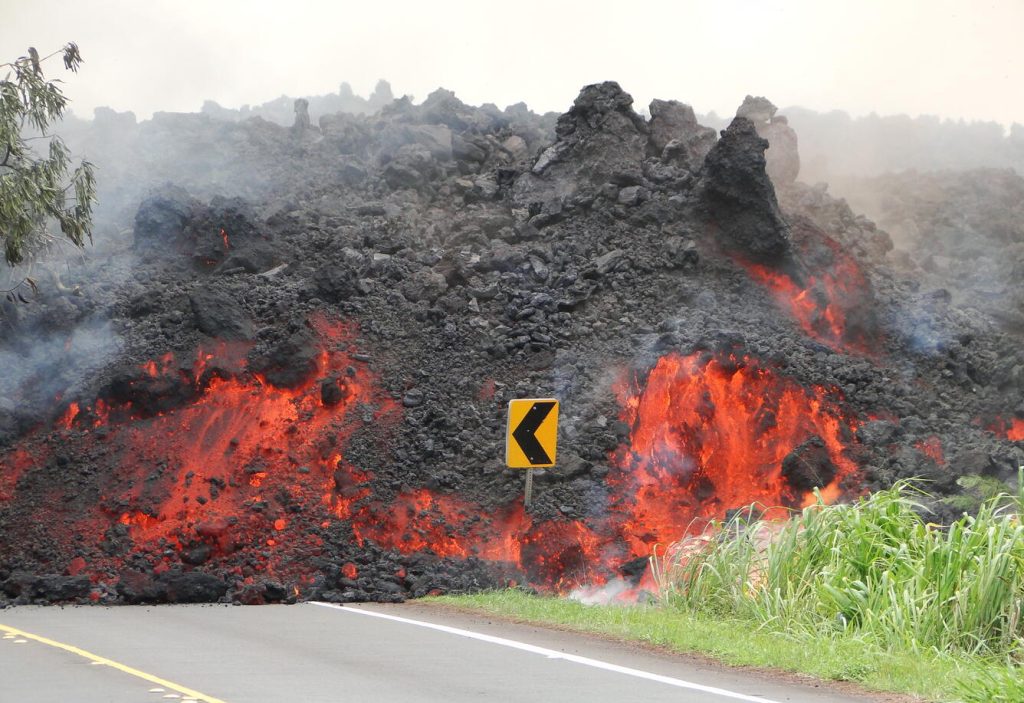
Lava flows are streams or rivers of molten rock that flow out of a volcano during an eruption. Lava flows surface from the vents of a volcano, whether from a central caldera or from peripheral rifts. Lava flows are completely destructive to everything in its path – including homes, infrastructure and agricultural land.
On Hawaiʻi Island, lava flows generally advance slowly downslope along the path of least resistance. This gives emergency managers and government officials time to evacuate people, but homes and property in the path of lava will be destroyed.
In 2018, a lava flow in the lower east rift zone of Kīlauea destroyed 723 structures, covered 13.7 square miles and created 875 acres of new land on the coastline. The eruption caused $236 million in infrastructure damage. No people were killed.
Several other lava flows over the past 100 years have destroyed communities on Hawaiʻi Island, including 215 homes in Royal Gardens and Kalapana Gardens during a continuous eruption from 1983 to 2018; 70 structures in Kapoho and Koaʻe in 1960; and 21 homes in the lower east rift zone in 1955.
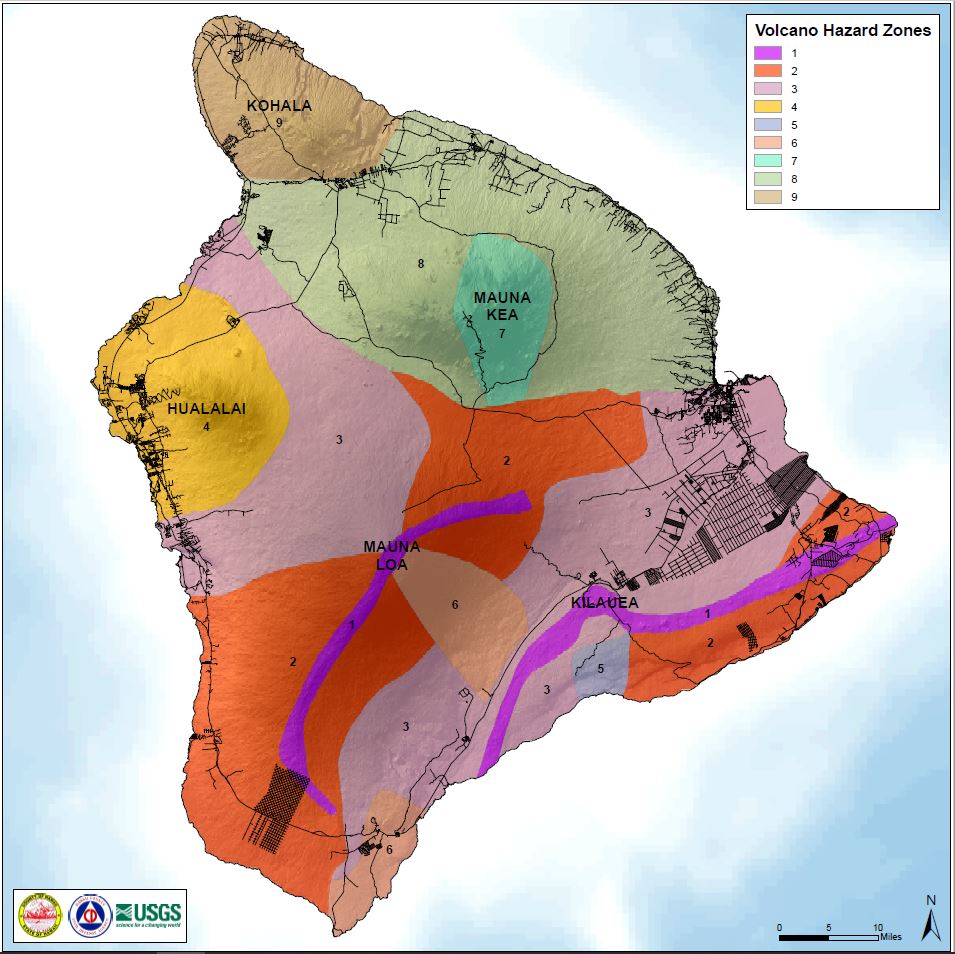
The USGS created a Lava-Flow Hazard Zone Map (at right) showing the most dangerous areas for lava flows on Hawaiʻi Island based on historical data of lava flows. The most hazardous area is Zone 1, and the least hazardous area is Zone 9.
Resources
Hawaiʻi County Civil Defense Agency – Volcano Hazards, Maps and Tools
Hawaiian Volcano Observatory – United States Geological Survey
Hawaiʻi State Dept. of Commerce and Consumer Affairs – Lava Flow Insurance