
The National Guard Youth Challenge Academy is a community-based Quasi-Military program that leads, trains and mentors 16–18-year-olds to become productive citizens in America’s future.
The Academy
The National Guard Youth Challenge Academy is a 22 week residential program that leads, trains, and mentors 15½ – 18-year-olds who have diverted from traditional academic pathways so that they may become contributing American citizens. It utilizes military-type training based on structure, discipline, and consistency to teach struggling adolescents the skills needed for their future success, embodied in eight core components—academics; physical fitness; health and hygiene; citizenship; life skills; job skills; leadership/followership; and service to community. This time-proven curriculum holistically addresses cadets’ shortcomings, in a controlled environment that removes outside distractions, such as unhealthy social circles and negative influences.
The award-winning program has been recognized as one of the nation’s most effective and cost-efficient programs targeting youth who are on a trajectory that can lead to limited future opportunities and even life-threatening behaviors.
Residential Phase
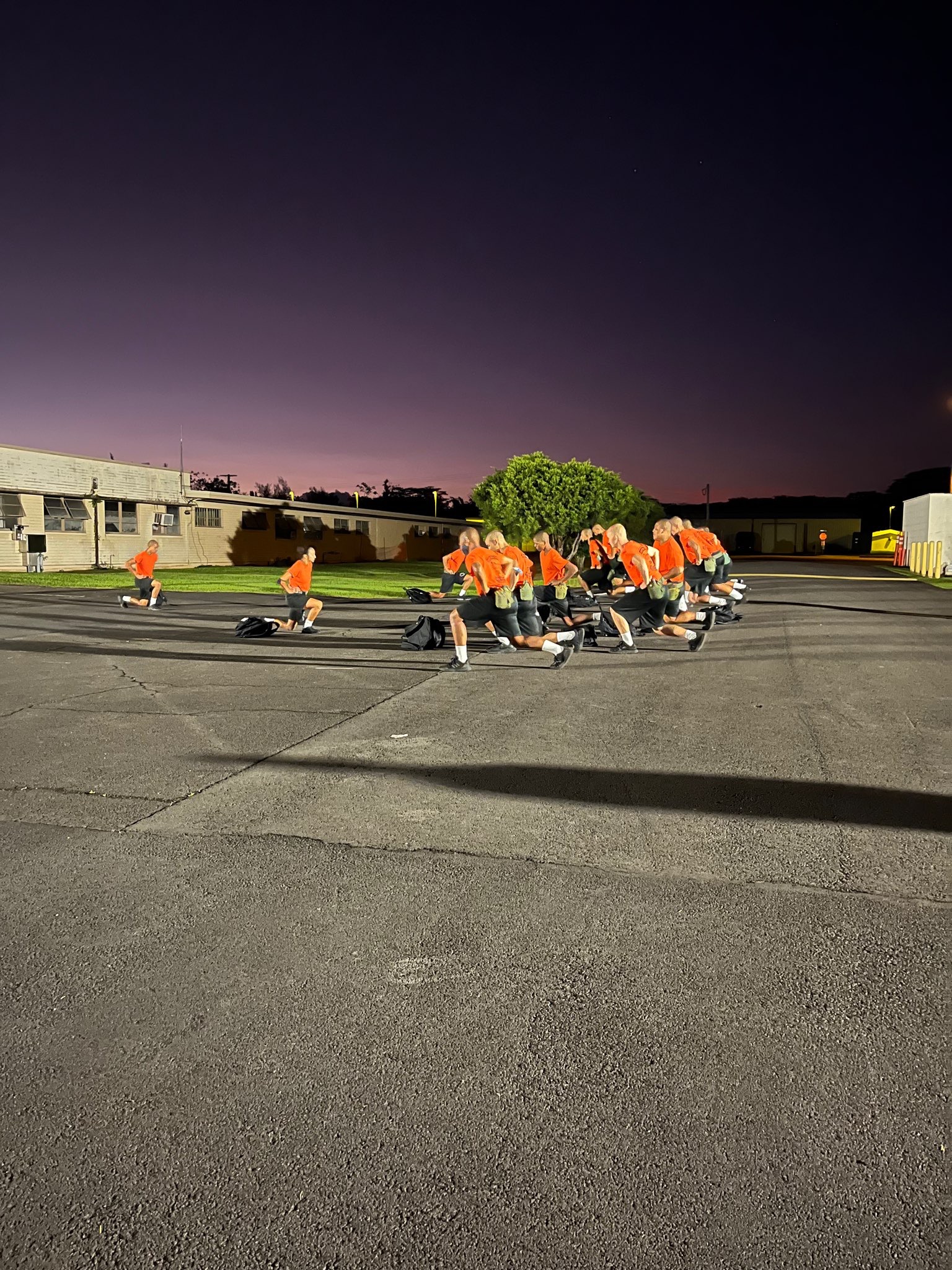
The two-week Acclimation Period precedes the Residential Phase and orients candidates to the Youth Challenge Academy environment by allowing them to adjust to the physical, mental, and social discipline required to successfully complete the program. The focus is on teamwork, close quarter drill, code of conduct, leadership and followership, and physical fitness training. Candidates relinquish personal items, receive haircuts, and exchange their street clothes for uniforms, placing them all on a level playing field. During the Acclimation Period, staff members continually assess each candidate’s potential for success in the Residential Phase. Candidates learn to replace negative behaviors, attitudes, and skills and are introduced to daily experiences of healthy routines and a structured and disciplined environment.
At the end of the Acclimation Period motivated candidates are selected to enroll in Challenge and become cadets. Historically, the majority of the selected cadets will go on to successfully complete the Residential Phase. During the next five months of the Residential Phase, cadets are fully immersed in a military-type training environment, which emphasizes discipline, consistency, and structure. During the Residential Phase, cadets experience a schedule that focuses on developing their social, emotional, academic, and basic life skills. This is accomplished through the implementation of the Eight Core Components, the foundation of the program intervention model. Cadets complete the Residential Phase with the skills and values necessary for their successful transition and integration into adult society. Mentors, who have been nominated by the cadets, are matched with cadets midway through the Residential Phase. The mentors help support the cadets during the remainder of the Residential Phase and help them prepare to reenter community life. Mentors continue their responsibilities throughout the 12-month Post-Residential Phase.
Mentors
Youth Challenge Academy uses a Youth-Initiated Mentoring match; when applicants apply to the program, they identify potential mentors from their local community. Mentors are formally screened and trained prior to a ceremonial matching with their mentees. The mentors and cadets begin to develop their newly defined relationship and to discuss the cadet’s future plans during the Residential Phase, continuing through the 12 months after graduation. Once formally matched, the cadet and mentor are allowed to spend off-site time together, often performing service to the community or exploring job and school options.
Learn morePost-Residential Phase
The 12-month Post-Residential Phase begins when graduates leave the Youth Challenge Academy and return to their communities. Graduates return to high school, pursue higher education, find a job, join the military, or volunteer at least 25 hours a week as a “placement.” The goal of this phase is for graduates to sustain and build on the gains made during the Residential Phase and to apply the new skills they have learned to their home environment. In addition, they must continue to develop and implement their life plans. The mentors, matched with cadets during the Residential Phase, play a critical role in ensuring their continued success. They help youth transition from the structured environment of the Residential Phase to self-management. The mentors also support and guide the cadets through implementation of their life plans.
Vision
Trusted, Ready, Responsive
Mission
Always ready, the State of Hawaiʻi National Guard Youth Challenge Academy enables a safe, secure, and thriving educational program to the state.